22 November 2019
I thought at this stage I would reflect on some thoughts of the trip so far. Here are a few random thoughts:
Our guides have all been highly educated with multiple degrees and are multi lingual. Our guide for the whole trip has a PhD and all of our local guides have travelled the world. Our current Chilean guide climbed Everest in his younger days. He holds a masters from a Chicago university. Our guide in San Pedro was a robotics engineer.
It’s clear working in the travel industry is a highly skilled profession. Our guides perform the roles of educators, project managers, counsellors, mediators and foreign exchange experts. This is not a job I would ever have the patience for and I am in awe of their ability to manage such disparate groups.


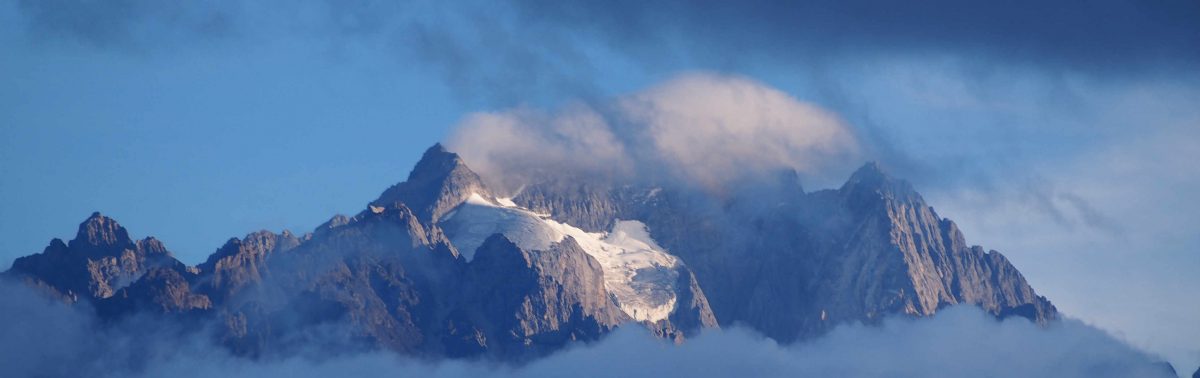
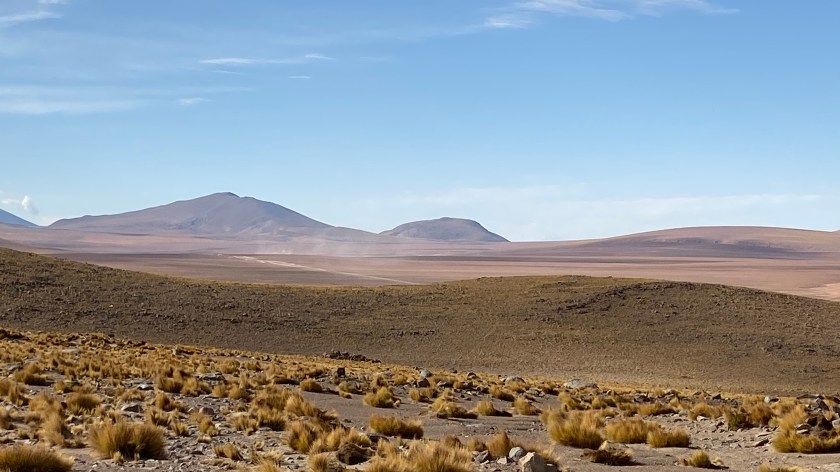
Peru and Chile both do a good mountain. The Andes are spectacular and ever changing. At 25 to 50 million years old they are the new kids on the block. In comparison parts central Australia are 1.8 billion years old.
While we might complain about our own local politics, South America takes politics to a whole new level. Their recent history includes coups, revolutions, foreign interference, independence from foreign colonial powers and regular social discontent along with the odd riot. Long term stability would make such a difference to these countries.
The coffee has been excellent everywhere we have been. The ceviches, raw fish marinated in citrus juice, is always good and the range of potatoes in Peru is impressive. The conger eel in Chile was something I wouldn’t see on the menu in Australia and it was good. We haven’t been disappointed by the wine and the pisco sours in Peru are worth the 20 hour flight.


I am little over dimly lit hotel rooms. They seem to be a universal feature of hotel design. The light switches in South America make more sense than they did in China but I would like to see what I am doing and the contents of my suitcase.
Back to the last few days:
The book and movie Alive closely depicted our situation on the road returning from Valparaiso heading to Santiago. Ok, we weren’t a soccer team and we weren’t marooned on top of the Andes for 72 days. However our bus had broken down near the Andes and we were marooned for about an hour and there was no food. It was touch and go for a while until a replacement bus arrived.
Chile and in particular Santiago has been on the news lately for reasons of civil unrest. Many buildings remain boarded up in case of fresh riots. The city is however very safe too wander around. Many of the protest groups which are generally young people, are still on the streets and are only too willing to talk about their issues. There is also the opportunity to meet up with older people who will also gladly express their opinion on what is happening to Chile.

Valparaiso was in its prime before the Panama Canal opened and when nitrates were shipped from the port. Since those heady times it has been locked in time. Today it’s trying to lift itself out of years of neglect while retaining the look and feel of the unique architecture and streetscapes that define Valparaiso.
And now across the Andes and Argentina …





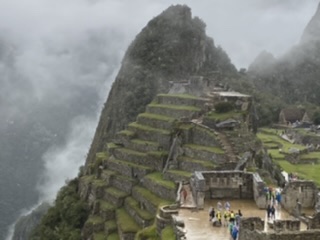
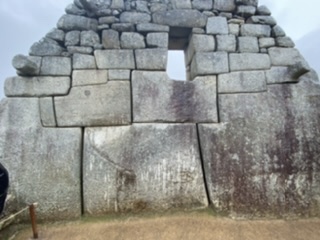 The stone work is just as we have all seen on all those documentaries and National Geographic articles. Even so you can’t help yourself from asking and can only imagine ‘how did they do that’?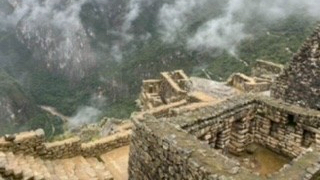
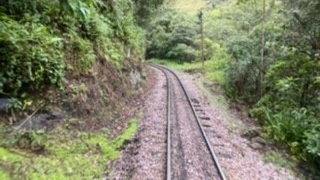
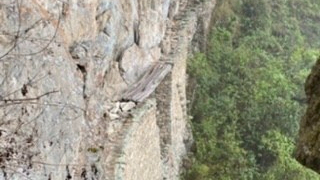 In many places you can still see remnants of the ancient Inca trails. These are narrow pathways often cut into the side of the mountains with no handrails or warning signs that state the obvious like a fall from here might hurt. Thankfully new approaches to the ruins were built for the modern visitor.
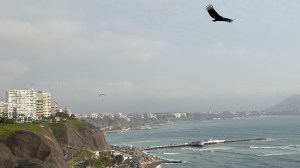 foreshore. Lima is working hard to develop itself into a modern city that will become a gateway for international tourism. There are lots of reminders of its colonial past and its more ancient history including stepped pyramids made of mud bricks.
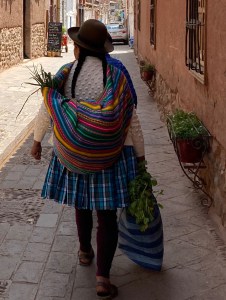
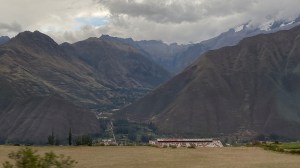
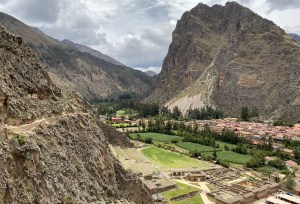 From Cusco we ventured further into the countryside arriving at our hotel in the Sacred Valley. It is something beyond 5 stars surrounded by high mountains and amazing gardens. The bathroom is the size of many of the hotels rooms we have frequented.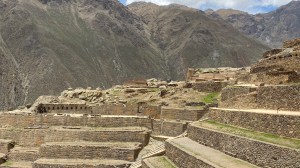
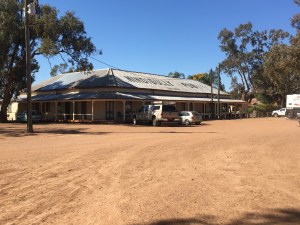 We made a brief stop at the Nindigully Pub. This is Queensland’s oldest licenced pub. It was first licenced in 1864, servicing Cobb and Co stage coaches and accommodating their passengers. The pub has pretty much remained untouched since that time. As you walk along the verandah you can almost hear the conversations of the drovers, shearers, farm workers and station managers that must have enjoyed a cold beer at this pub.
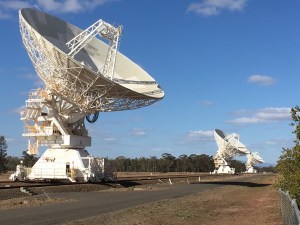 From Nindigully we reached Narrabri and visited the Australian telescope. From pubs that serviced stage coaches we are now looking at radio telescopes that are looking at galaxies on the other side of our own Milky Way some 50,000 light years away. In a 100 years we have gone from stage coaches to radio telescopes analysing the universe. Blows my mind.


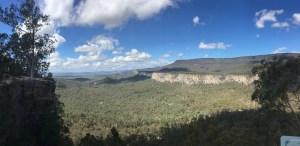 We have now reached an oasis in the true sense with forests, shady palm trees, and creeks that never stop flowing. Carnarvon Gorge is a green gem hidden away in the sandstone escarpment that lines the horizon. We have been here before, some 6 years ago when access was via 40 km of dirt road that included three creek crossings. Now the road is sealed and available to all those who ‘don’t do’ dirt roads. It’s popularity grows.


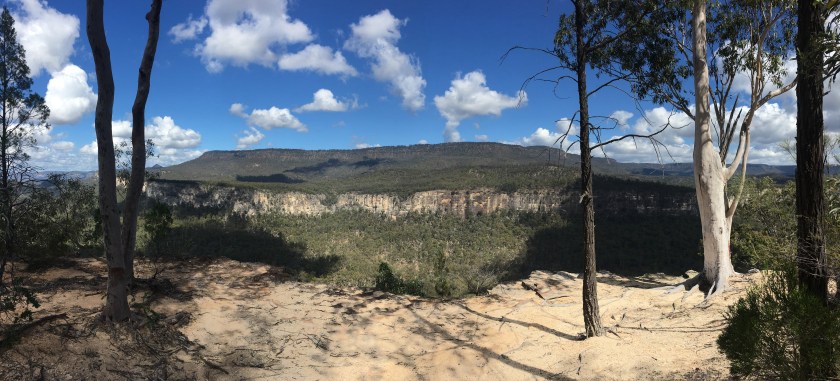 A walk to the top of the escarpment offers a view of the gorge and out across the plains we will cross when we depart this exceptional place.
 We are now heading south and toward home however we will delay the inevitable as long as possible. We have reached country where it is no longer kites clearing the roadkill but common ravens (crows). Road trains are becoming less common as we get closer to more populated country.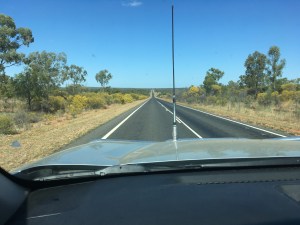




 A Traveller's Tale