Planetrowe.com is a repository for my ramblings and streams of consciousness, the catalyst for which are our travels throughout Australia and other more distant places. Please enjoy.
Planetrowe.com is a repository for my ramblings and streams of consciousness, the catalyst for which are our travels throughout Australia and other more distant places. Please enjoy.
23 August 2026
Our adventure has come to an end and we are back home. Home means no more waving to fellow travellers and the UHF radio can be put away.
We covered over 15,600 kms and were away from home for 88 days or 12 weeks. While that seems a lot of time and a great distance there is so much more to see and experience in the country we have just traversed.
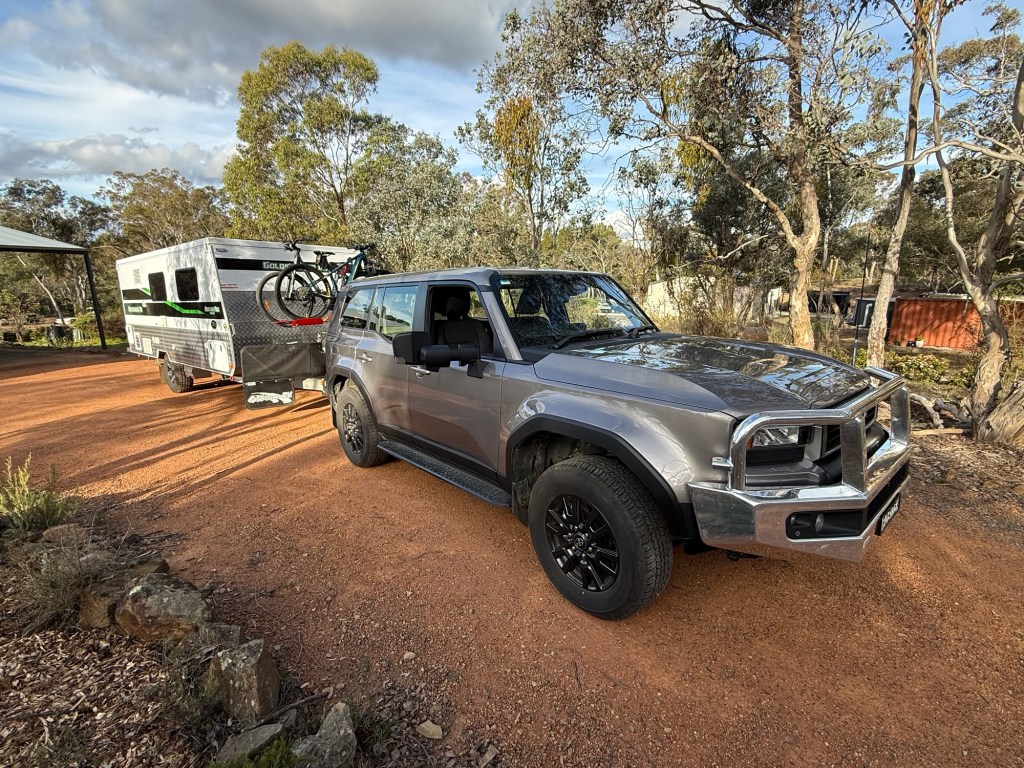
I thought now would be a good time to reflect on the high points of this trip while these memories are fresh.
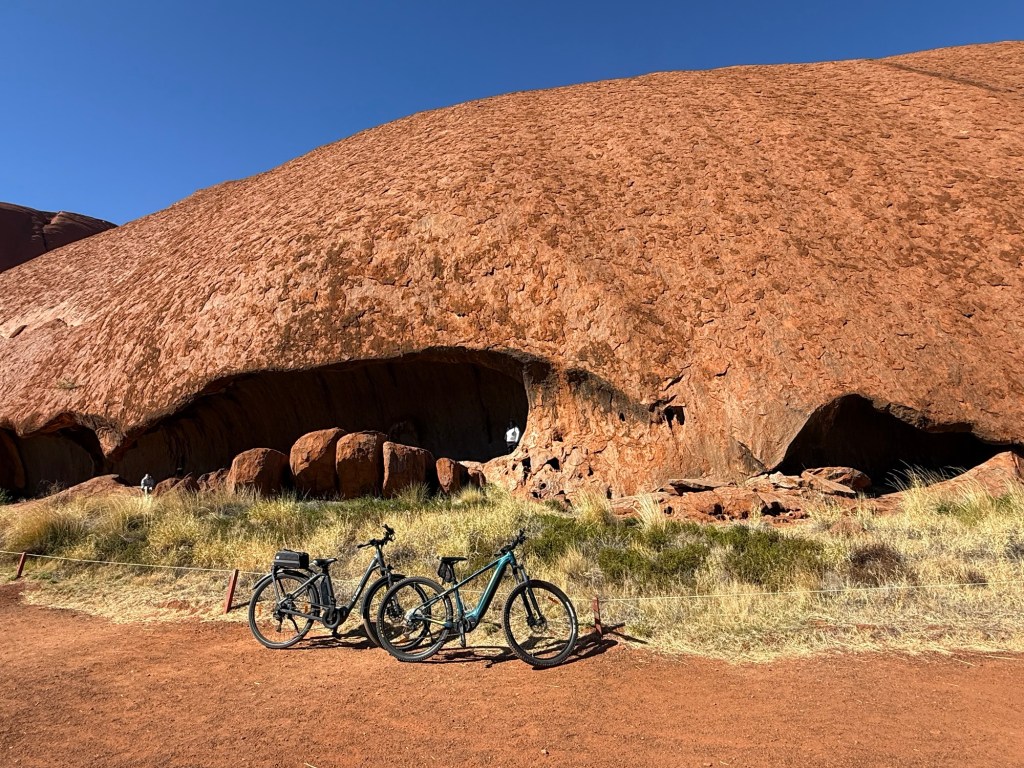
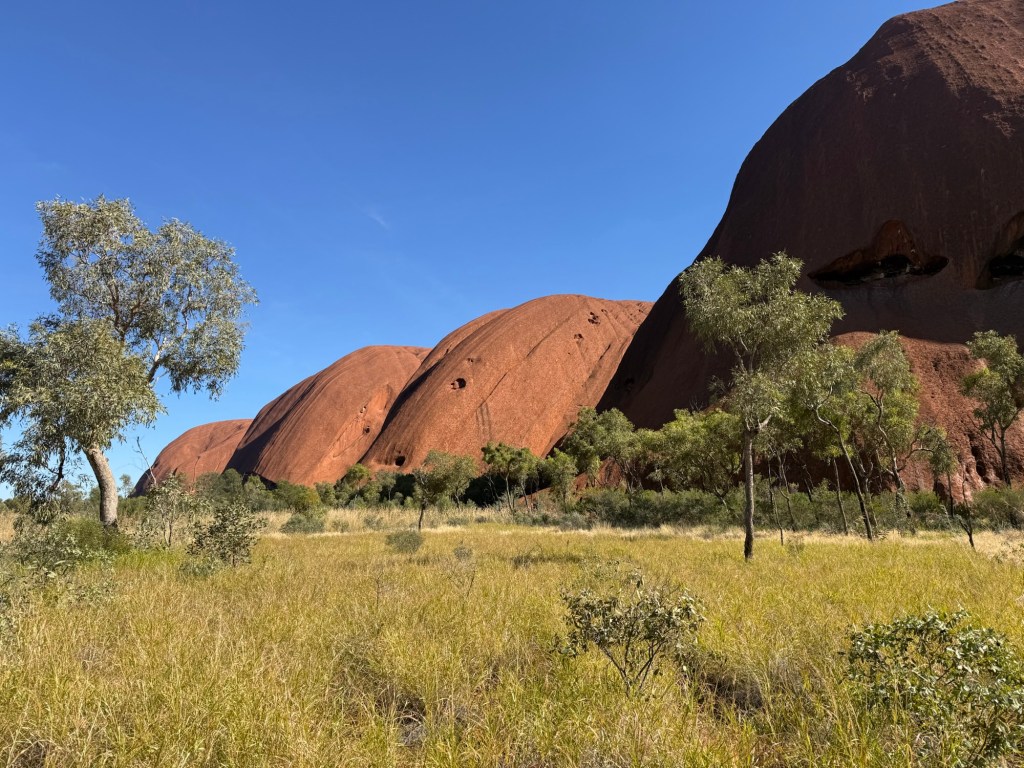
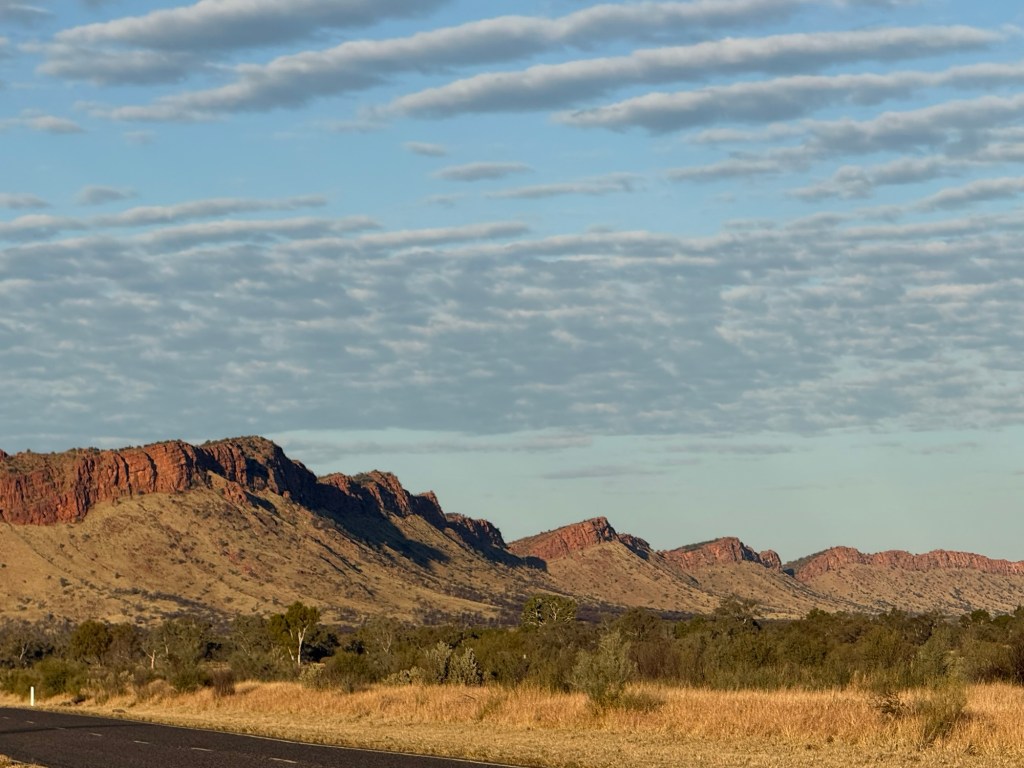
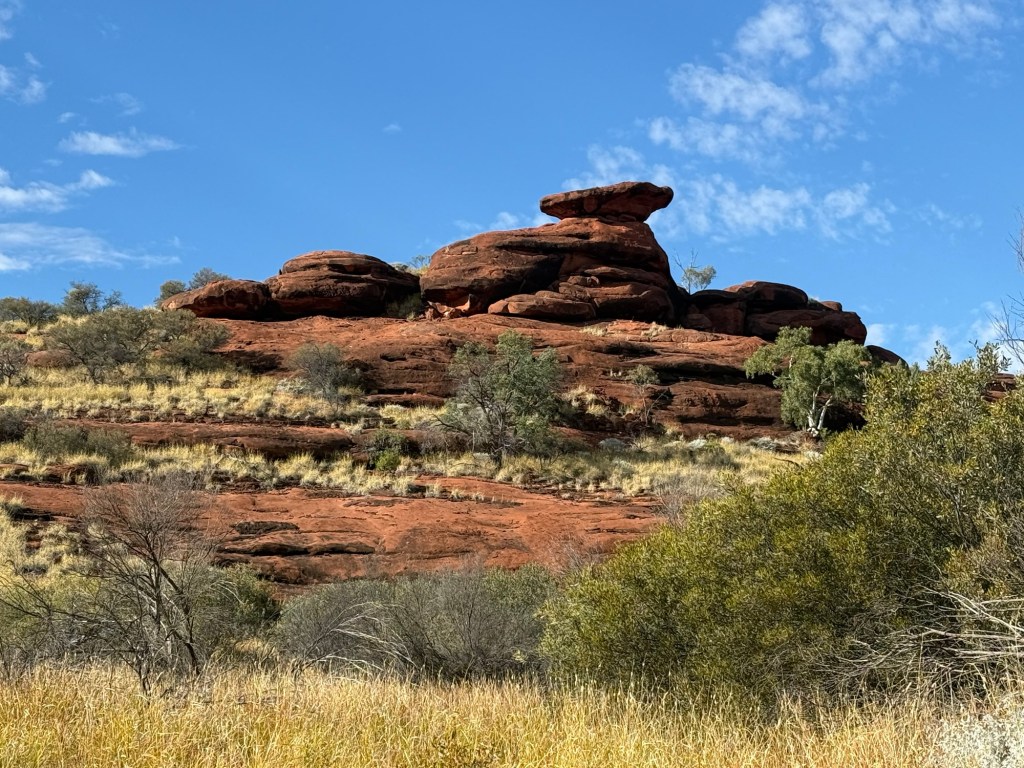
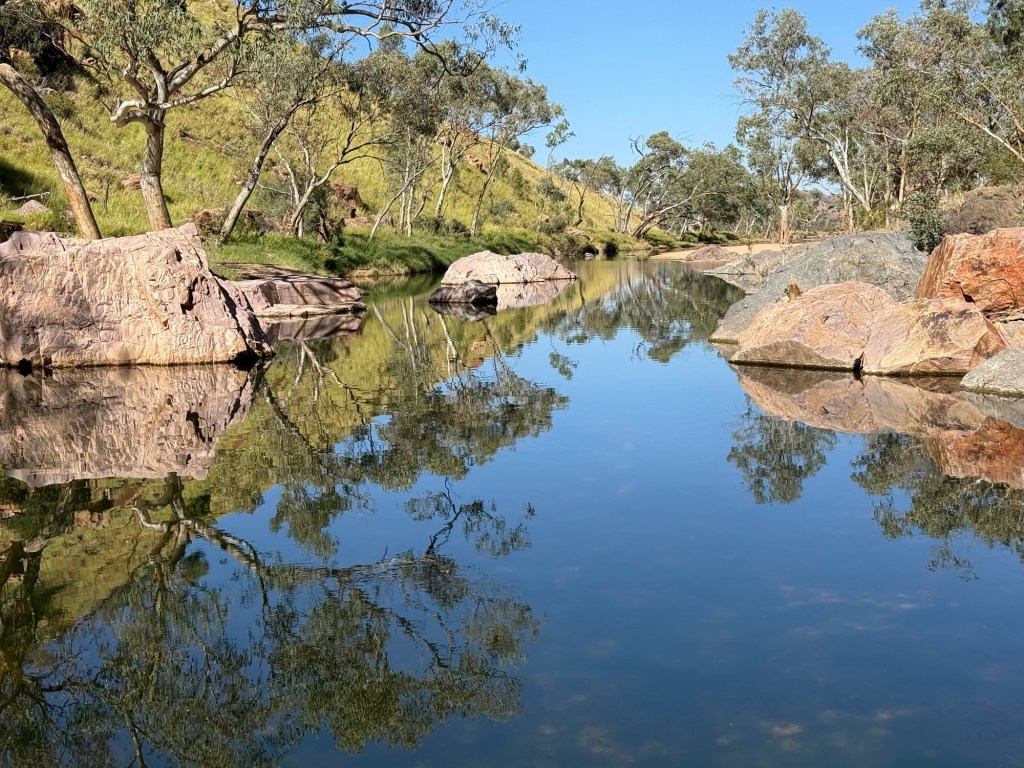
Starting with the classic tourist activities, bike riding around Uluru was special. In fact riding around Alice Springs and out to Simpsons Gap was a memorable experience.
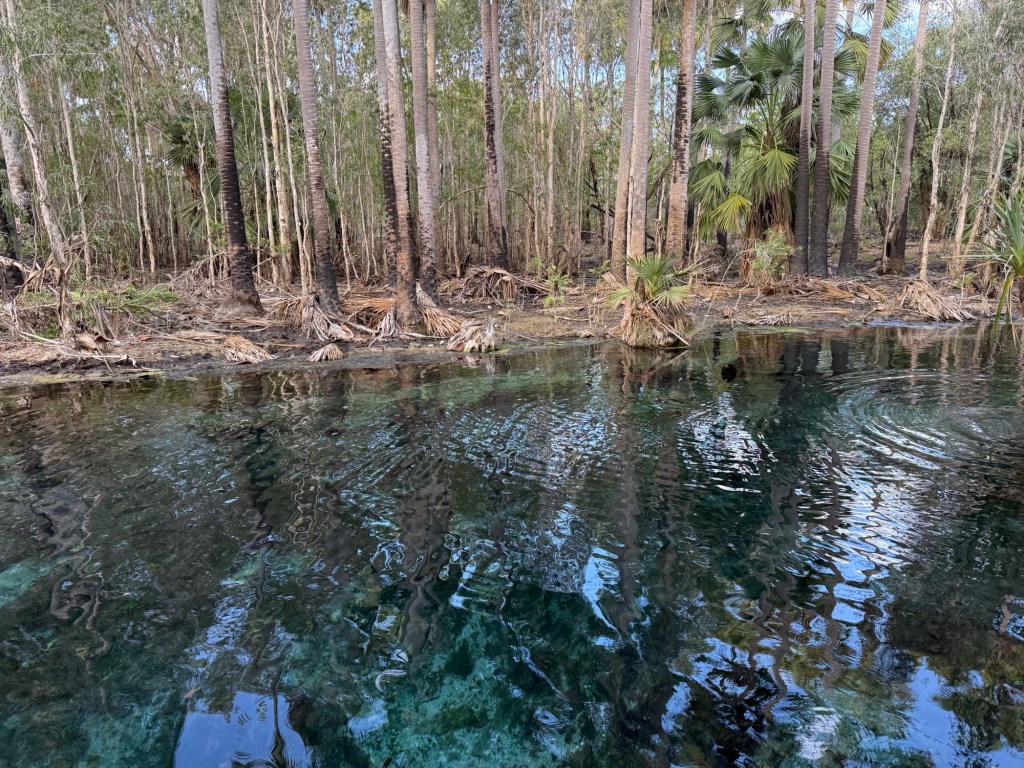
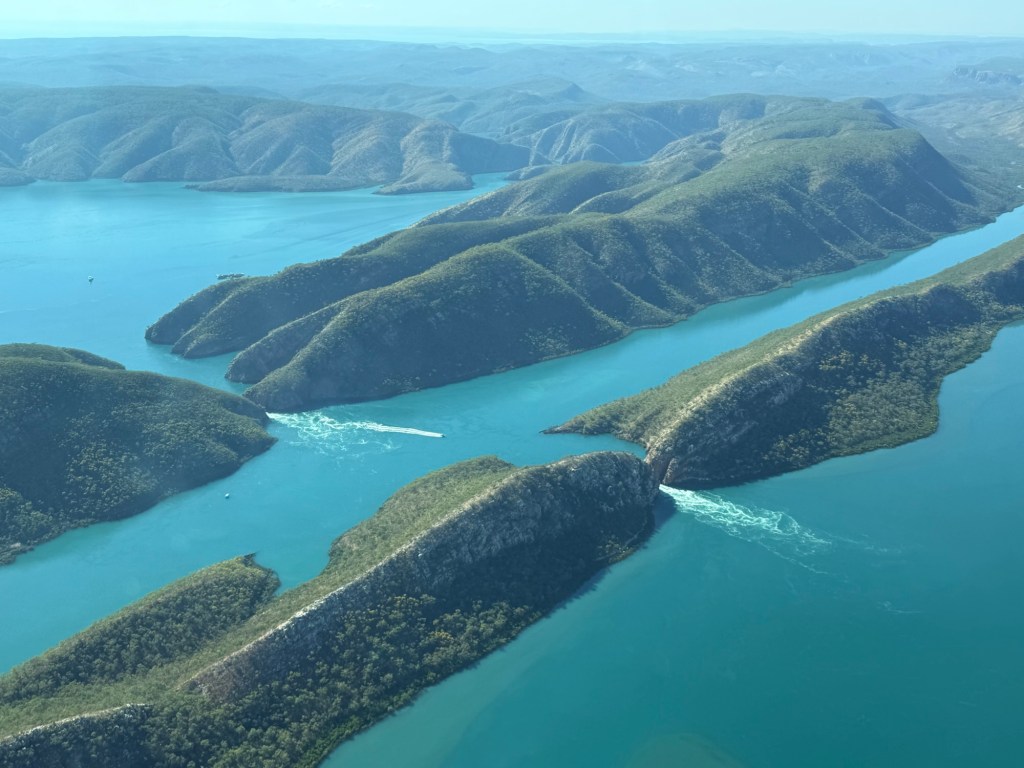
Heading north and swimming in the crystal clear waters at Mataranka is always something to look forward to. The Kimberleys are a must for any visitor. The ruggedness and remoteness of this country makes it unique. For us the Horizontal Falls encapsulated this region.
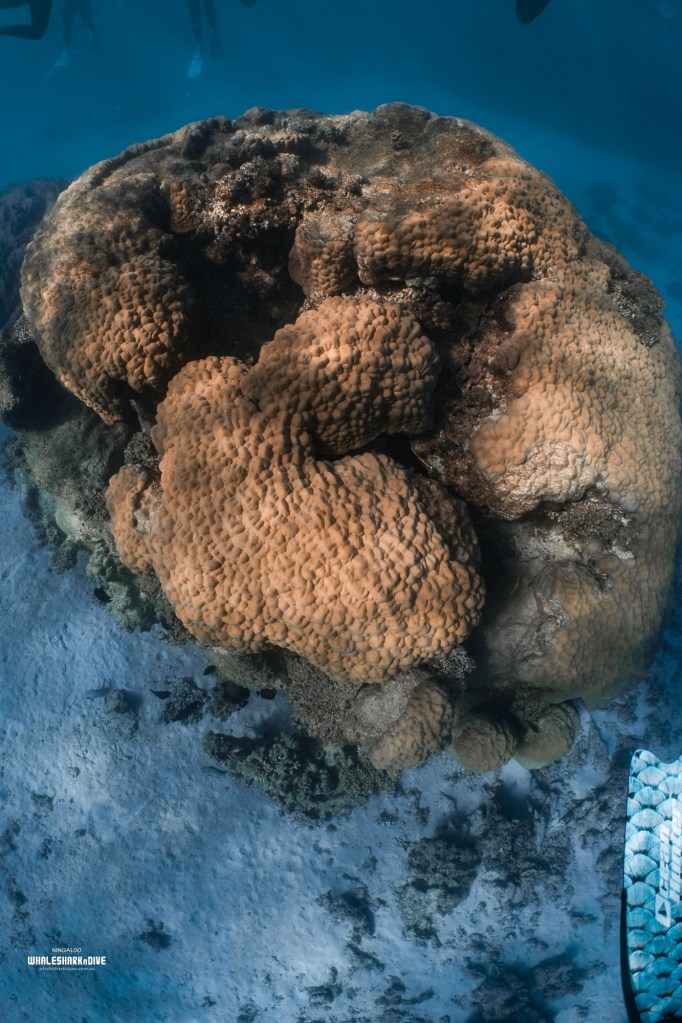
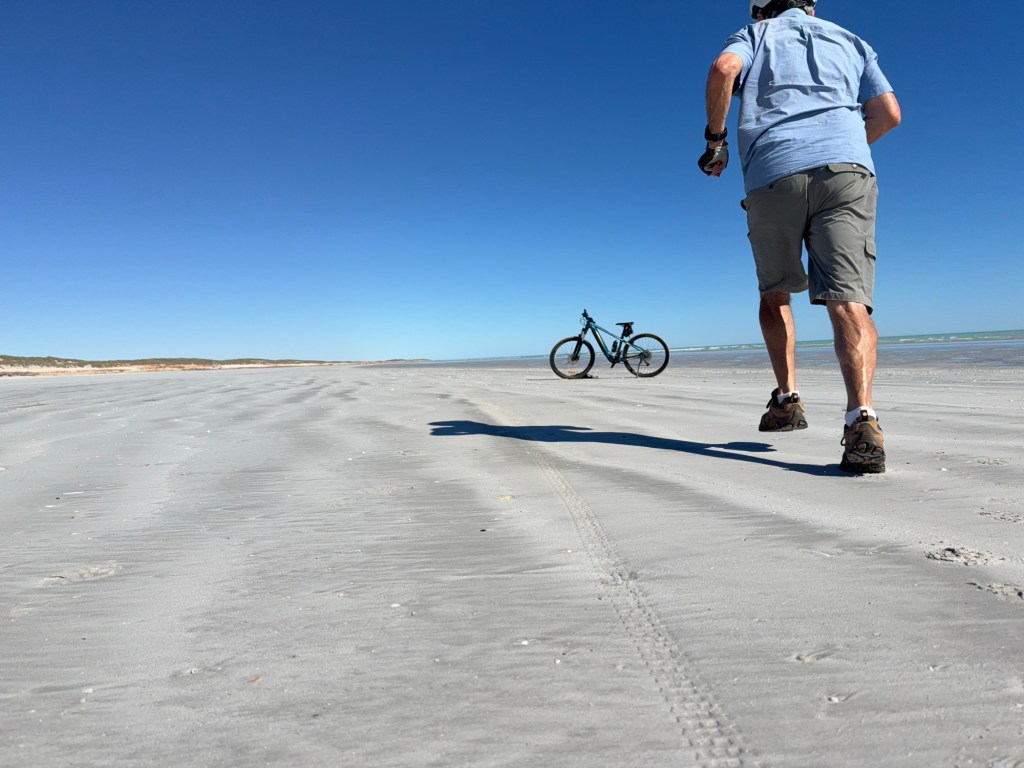
After the Kimberley’s, bike riding 80 Mile Beach was amazing followed by snorkelling on Ningaloo Reef.
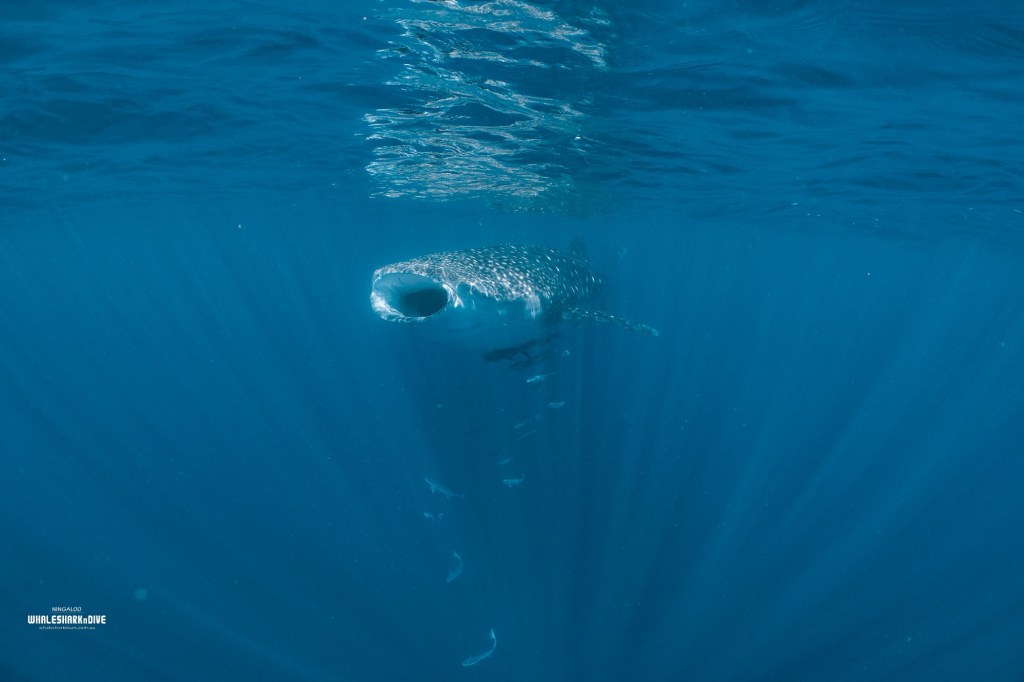
Swimming with whale sharks is a lifetime experience that can only be enjoyed in very few locations around the world and Western Australia offers a fantastic experience.
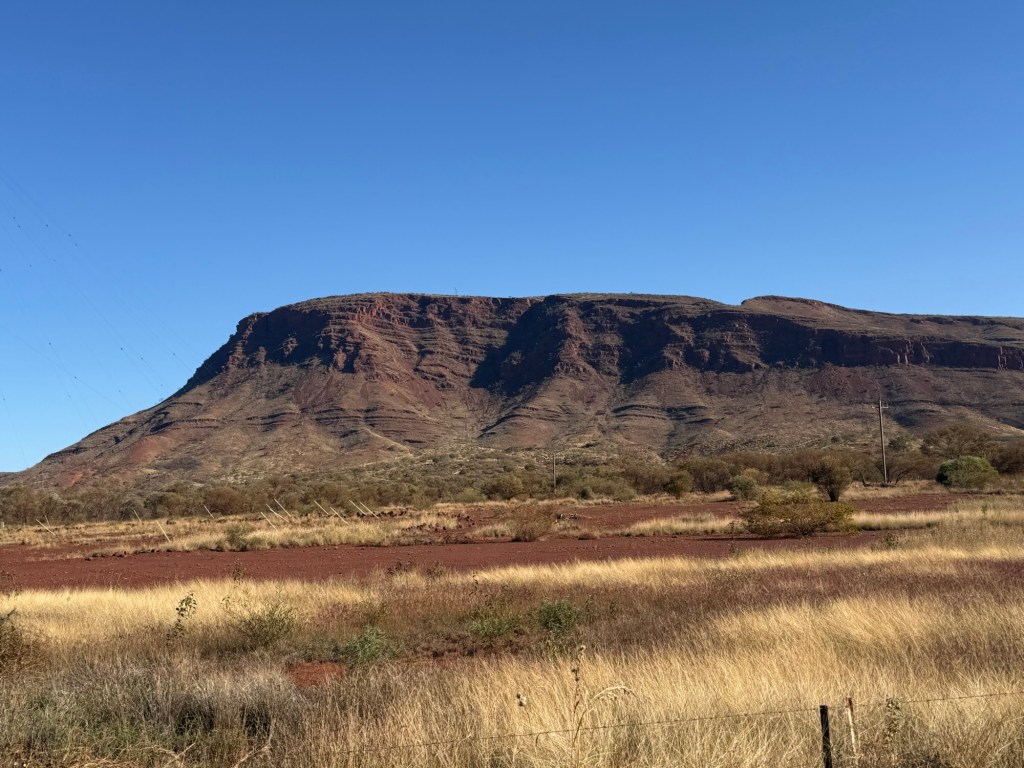
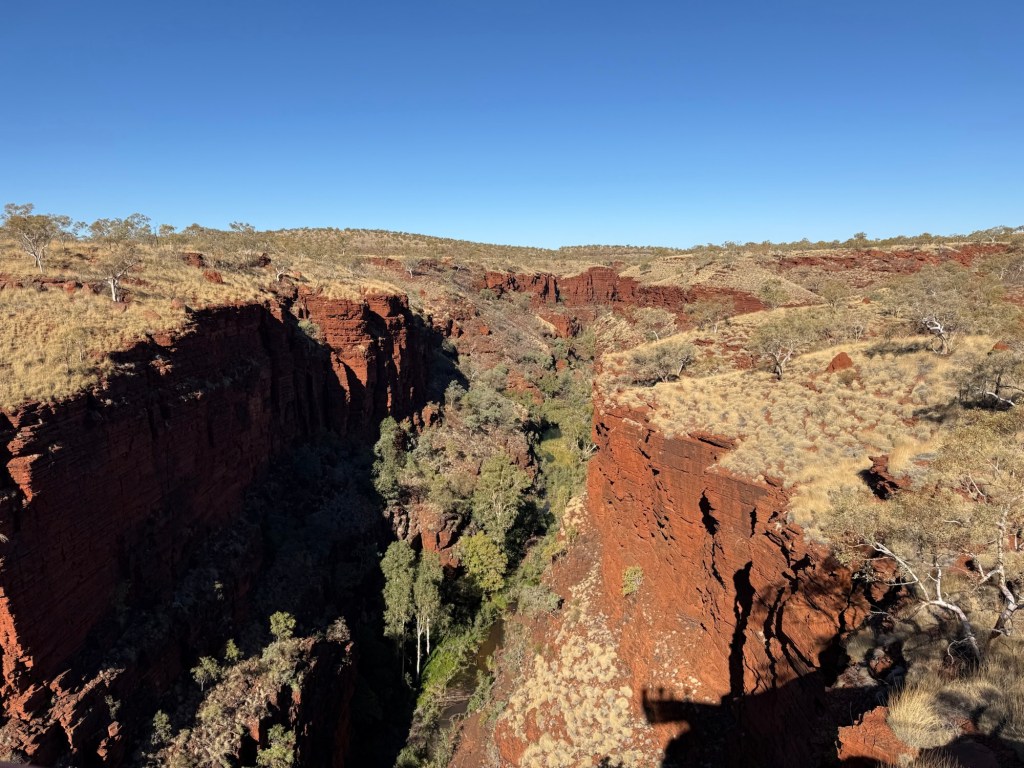
Karijini is an ancient landscape and its right where Australia’s iron ore deposits are exploited.
The real high points however for this trip were the people we met along the way. I thought I would end with a quick summary of some of the characters that added so much to the trip.
The remote country, gold prospecting couple we met a Halls Creek gave us so much assistance in setting up our Starlink system. They had all the power management and advanced battery systems you could imagine.
All the young backpackers we met from countries including Argentina, France, Italy, Germany, the UK, the USA, Japan, Spain and Brazil. They were the baristas, dive guides, chefs, receptionists, road house staff, waiting staff, boat captains and more. All very professional, with a smile on their face and loving their jobs.
The chap from Tasmania working as a census collector in Central Australia.
The Italian waitress in Fitzroy Crossing who was going to marry the chef. I think he was aware of this arrangement and his pasta was amazing.
The farmer of 40,000 acres from the wheat belt of WA.
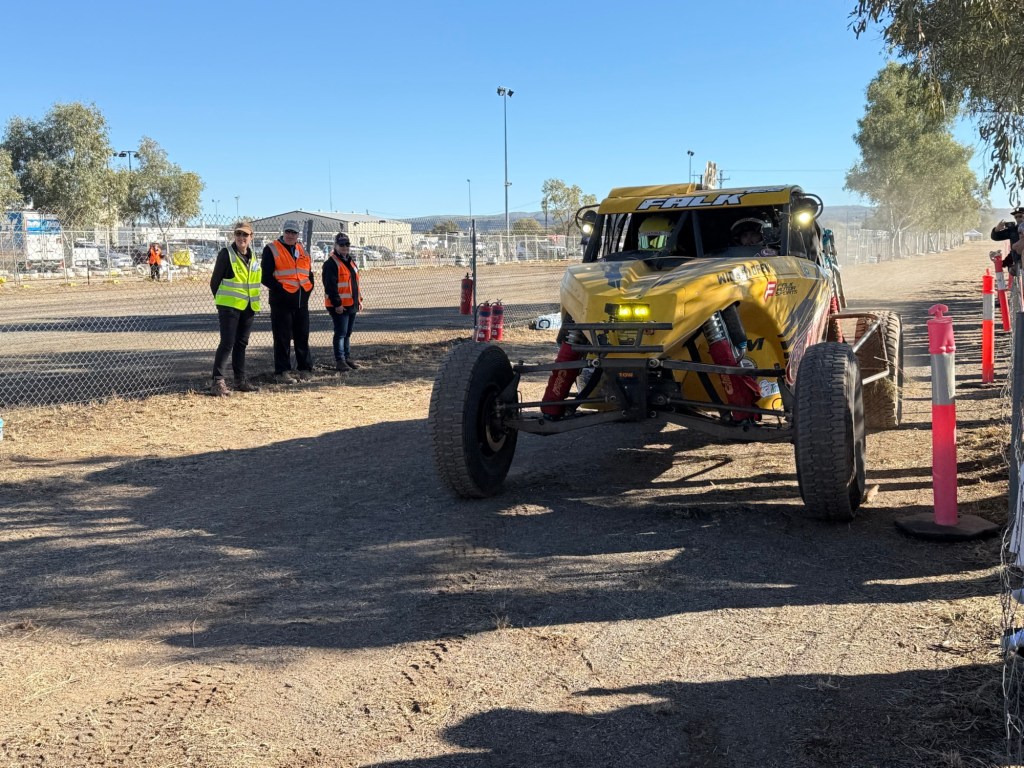
The five chaps we met at Curtain Springs who were headed to the Finke Desert race. A great night of story telling.
The young man who joined us at our table in the Tom Price pub just to chat about where we had come from and where we were headed.
The young man from London managing the bar at Kulgera roadhouse.
Our star watching guide at 80 Mile Beach.
The couple who were connected with the Isle of Mann TT race.
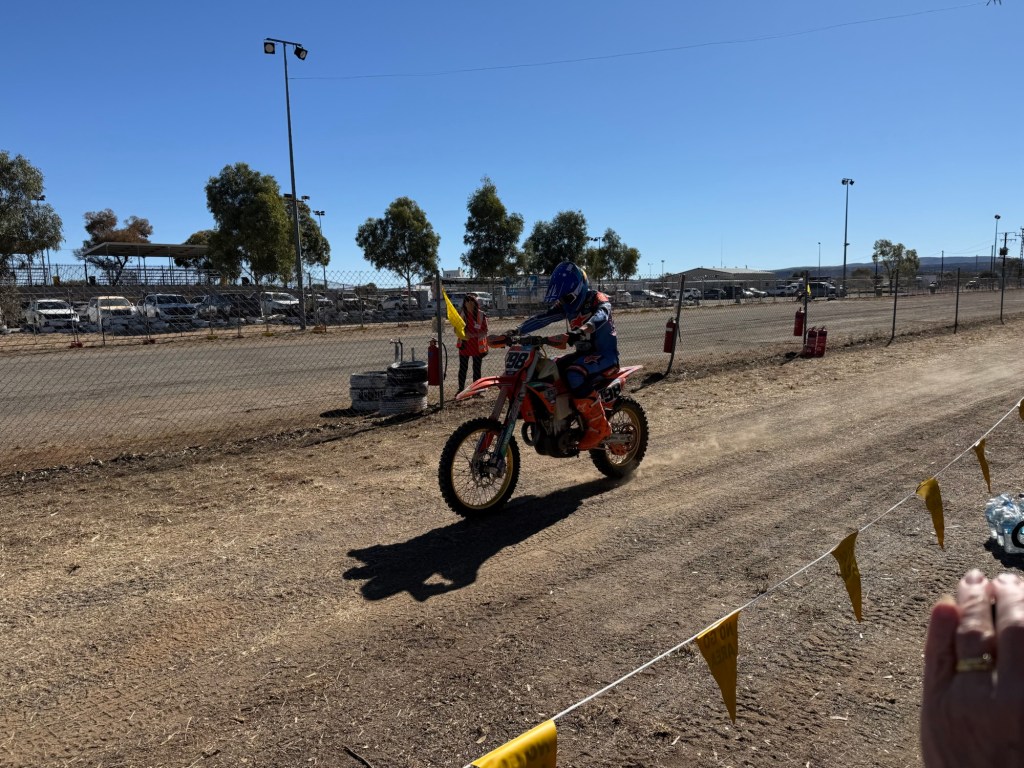
The motorbike rider who was camped beside us in Alice Springs who completed the Finke Desert race.
The chap who caught a freshwater croc on his fishing line at Mataranka, at the back of our camp ground.
The most memorable couple however we met at Devils Marbles on 13 June. We met them again at Elliott, Mataranka and Katherine, without any forward planning. They headed off to Darwin and we assumed we were unlikely to see them again. Then over a month later there they were, camped on a site immediately behind us at Nanutarra Roadhouse in WA. Our journeys seemed to synchronise for a while and we bumped into them in Coral Bay and Kalgoorlie. Our final parting was on 13 August at Ceduna, South Australia. They headed to Victoria and we headed home in NSW. Who knows when and where we might meet again.
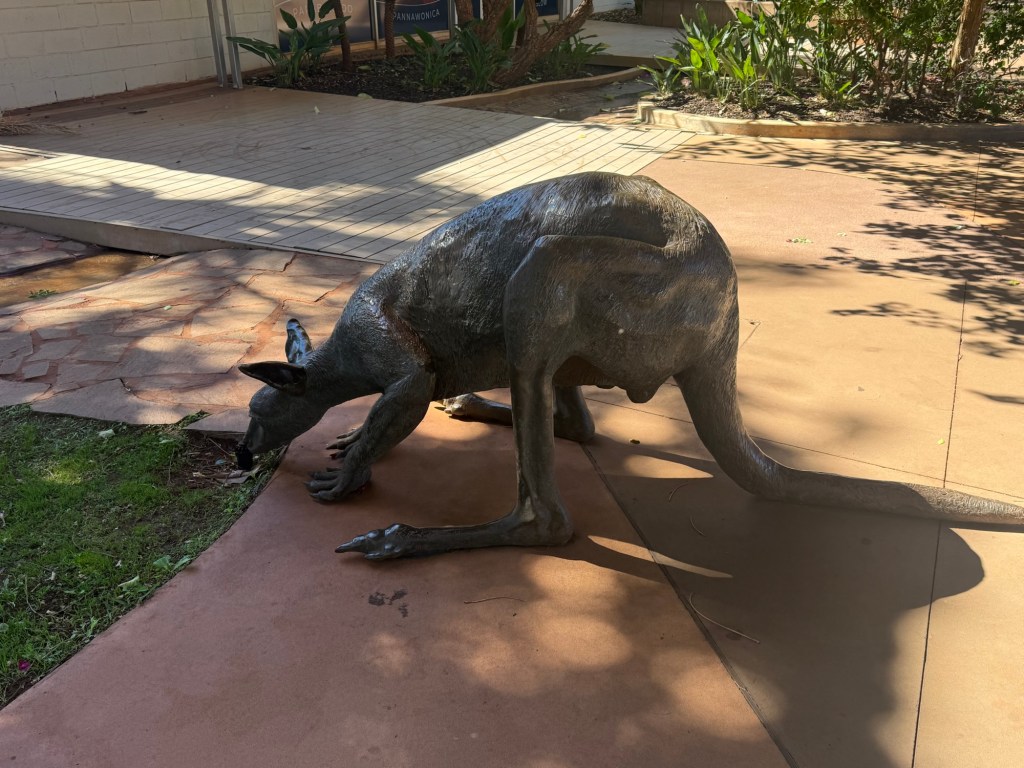
That’s it for a while. Now it’s the cleaning, some minor fixes and maybe some new accessories to install. Stay tuned…
18 August 2026
This will be the penultimate log for this adventure. We are two days away from our own driveway, garage and house.
On this trip our introduction to rain started back at Coral Bay. Rain however has continued to follow us across the country. Our caravan was once covered in red dust which is now red streaks. Much cleaning is required.
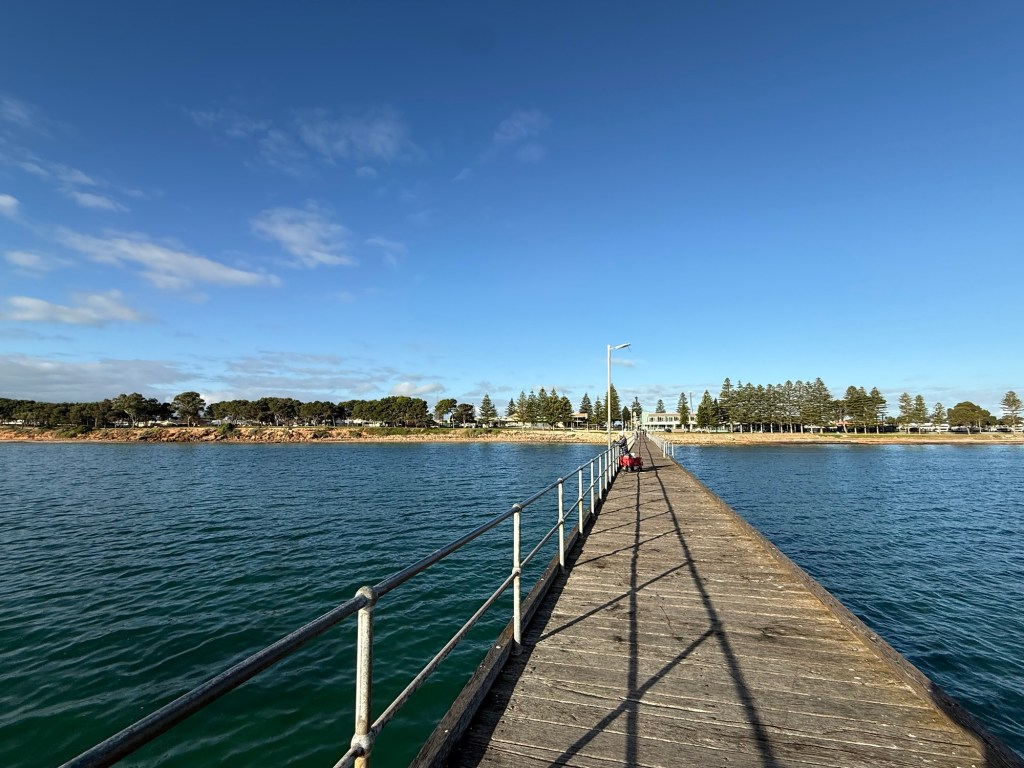
We left the Nullarbor Plain and were again confronted by fields of wheat, canola and oats. These fields are massive and typically extend way beyond the horizon. Out here every little town has its own silos and in most cases a railway siding. The town of Ceduna boasts massive silos and a substantial export wharf.
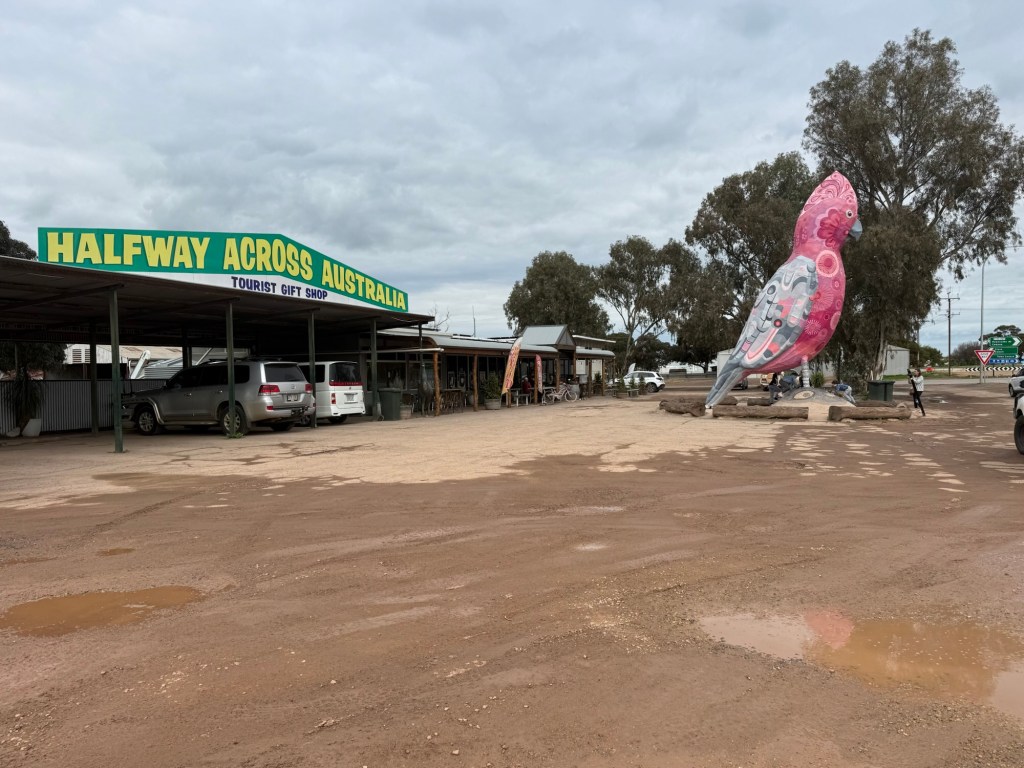
On our approach to Port Augusta we drove through the intersection where some 12 weeks ago we turned north. We drove through the same intersection, this time from the west. We had just completed a loop from the south of the continent to the north and then down the Indian Ocean coast and back. It doesn’t seem far if you say it quickly.
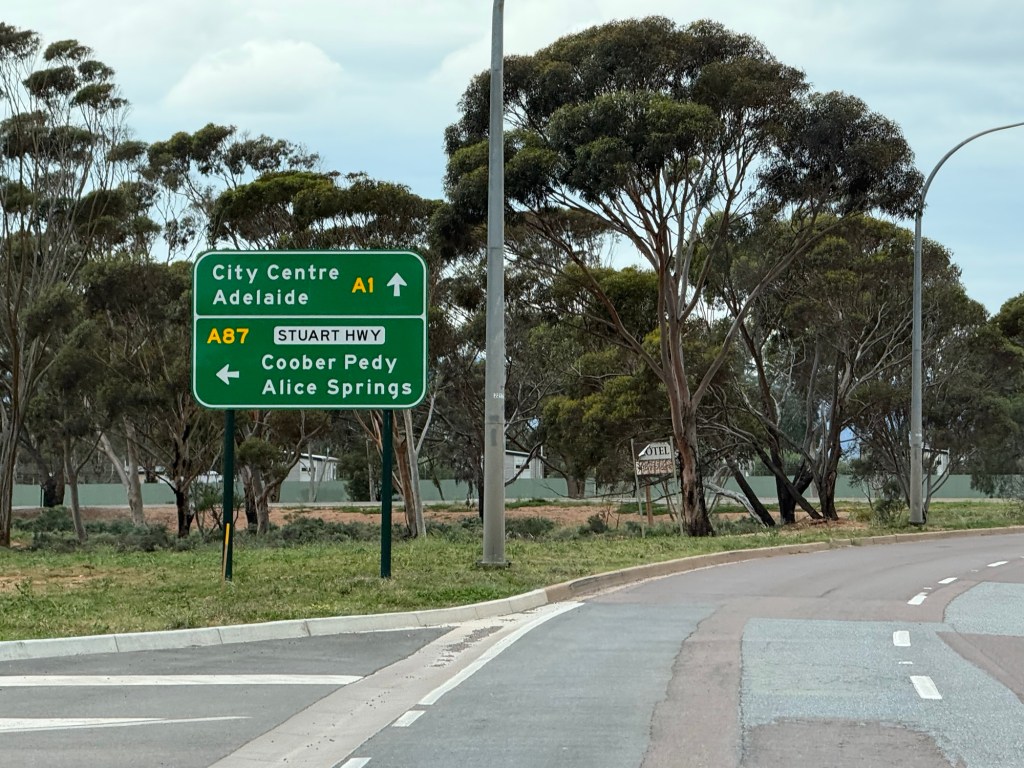
We visited the confluence of the Murray and Darling Rivers at Wentworth. This was once a place of much paddle steamer activity and river trade. Now it’s holiday house boats and fishing runabouts.
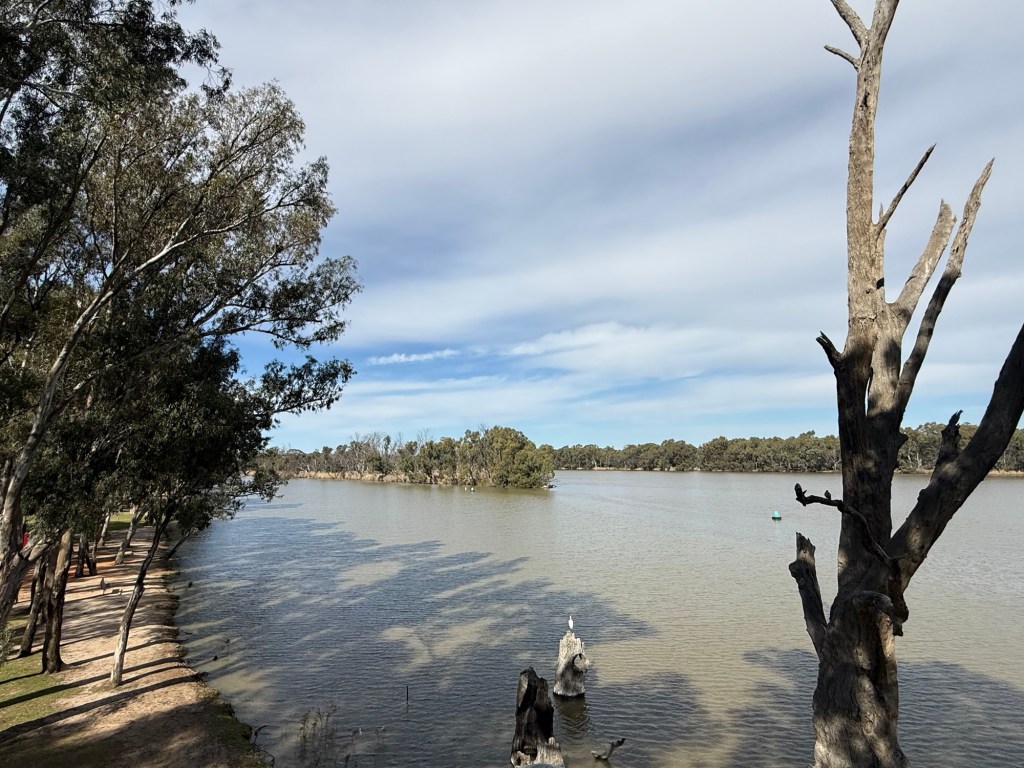
The Hay Plains have been crossed and now it’s the frustration of more trucks and more traffic in general. The UHF radio has been in constant use. You do get very comfortable with empty country, empty roads and vast vistas. Time zones are now in sync with our family and friends and TV programs are broadcast at expected times.
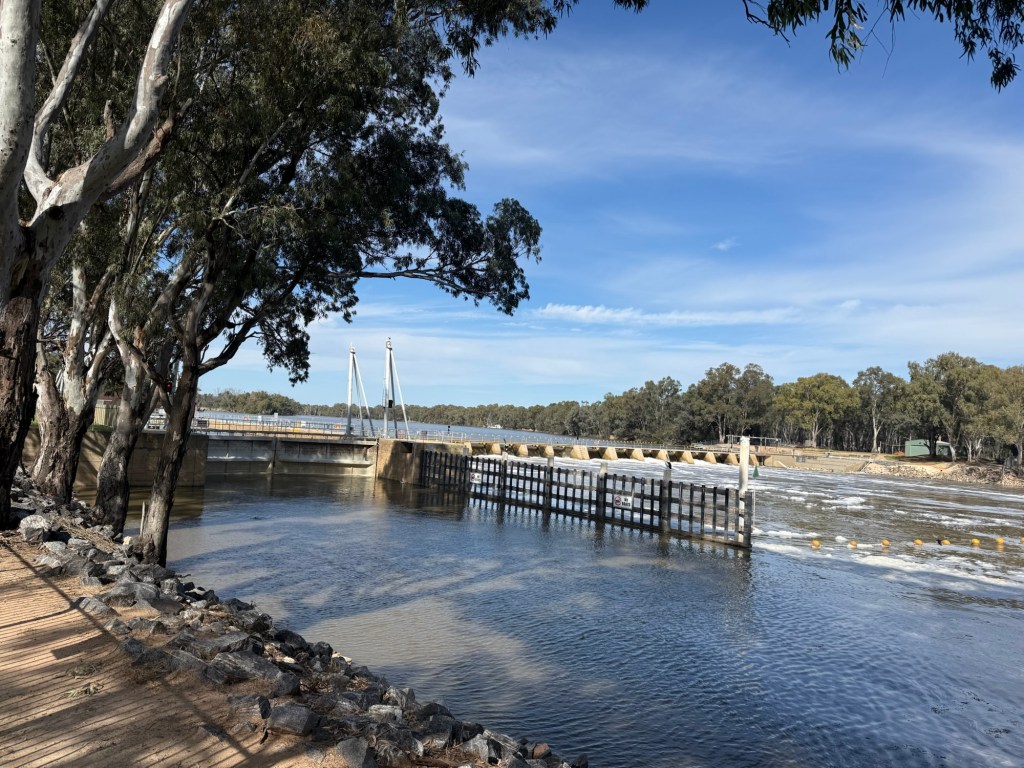
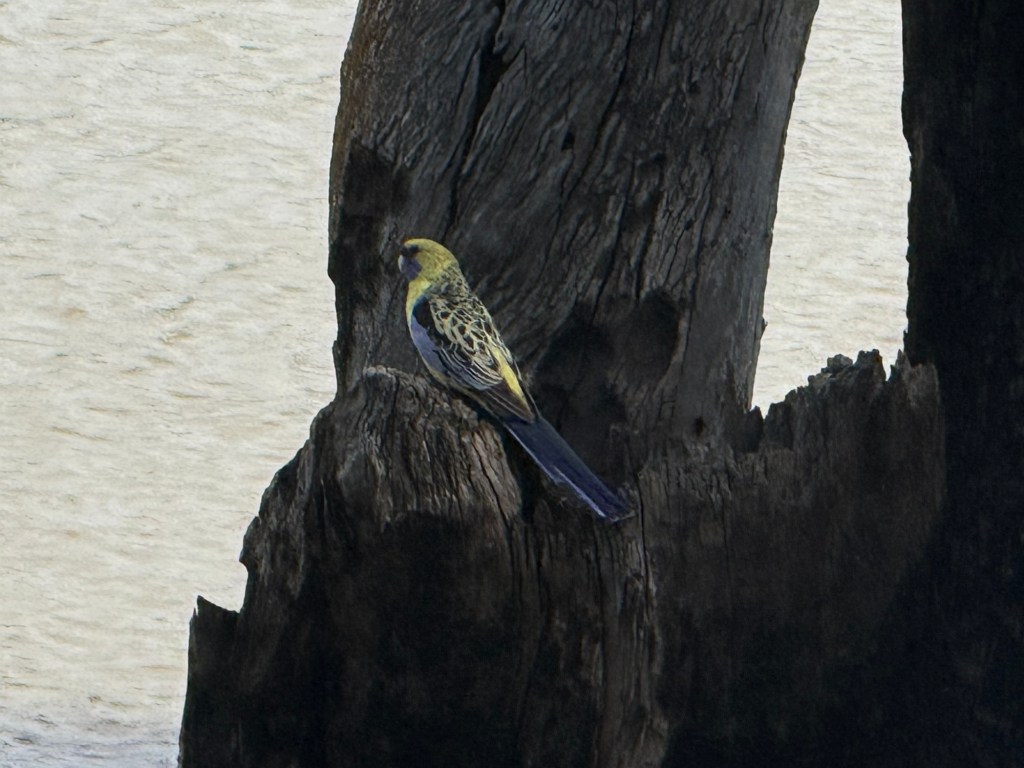
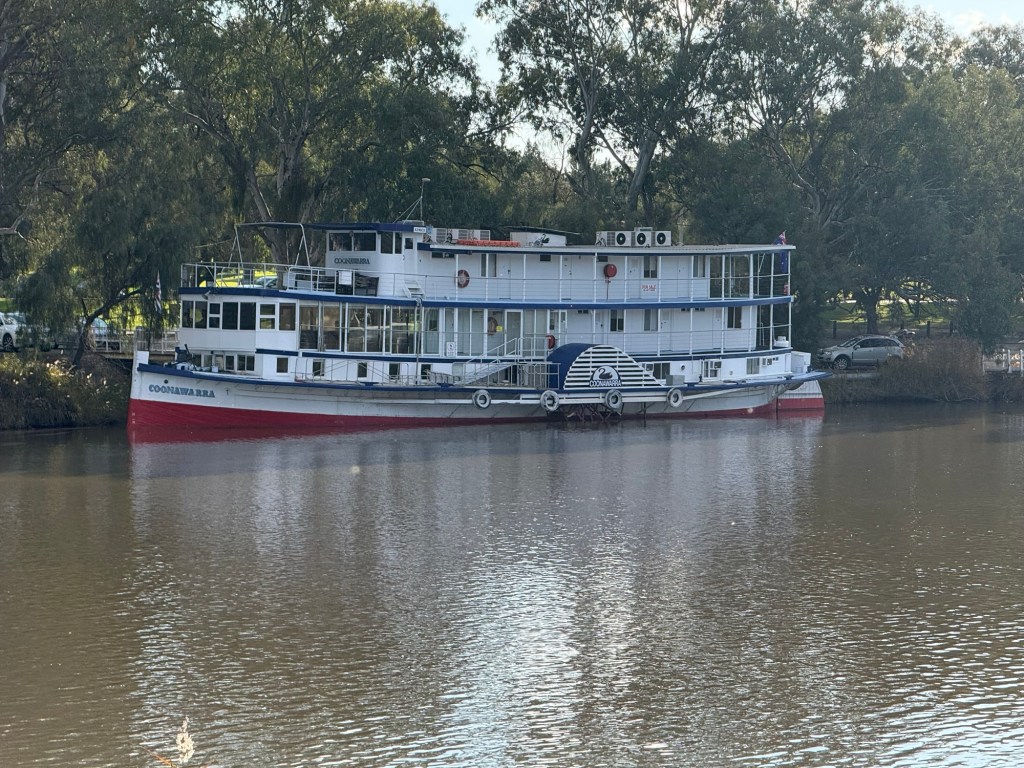
When home isn’t too far away there suddenly develops an urgent sense you need to get there; there are things to do. This reaction must be challenged. If you rush home there will be a level of remorse and the thought you could have lingered longer. The rain and cooler days however have negated any planned delay.
Tonight and one more night on the road and then unpacking, washing and cleaning the car and caravan.
14 August 2026
It is with sadness that I must declare we have left the tropics. We drove south past the Tropic of Capricorn and hence back to winter. Crossing out of the tropics marks our inevitable return home. That said we still have many days of driving ahead of us.
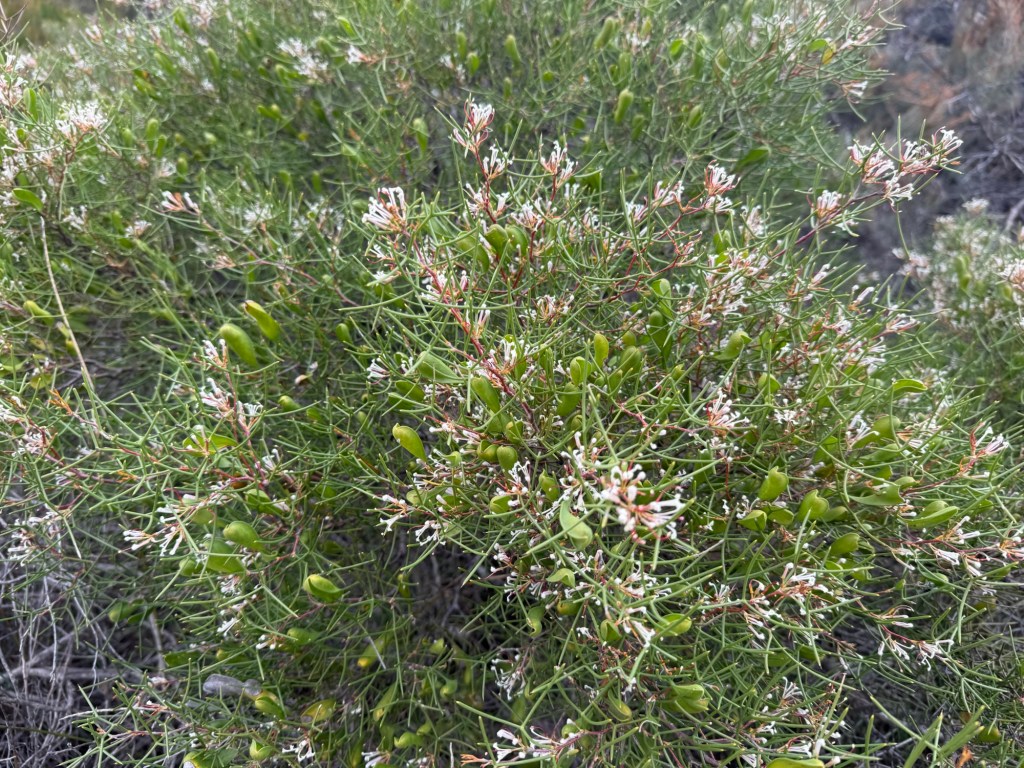
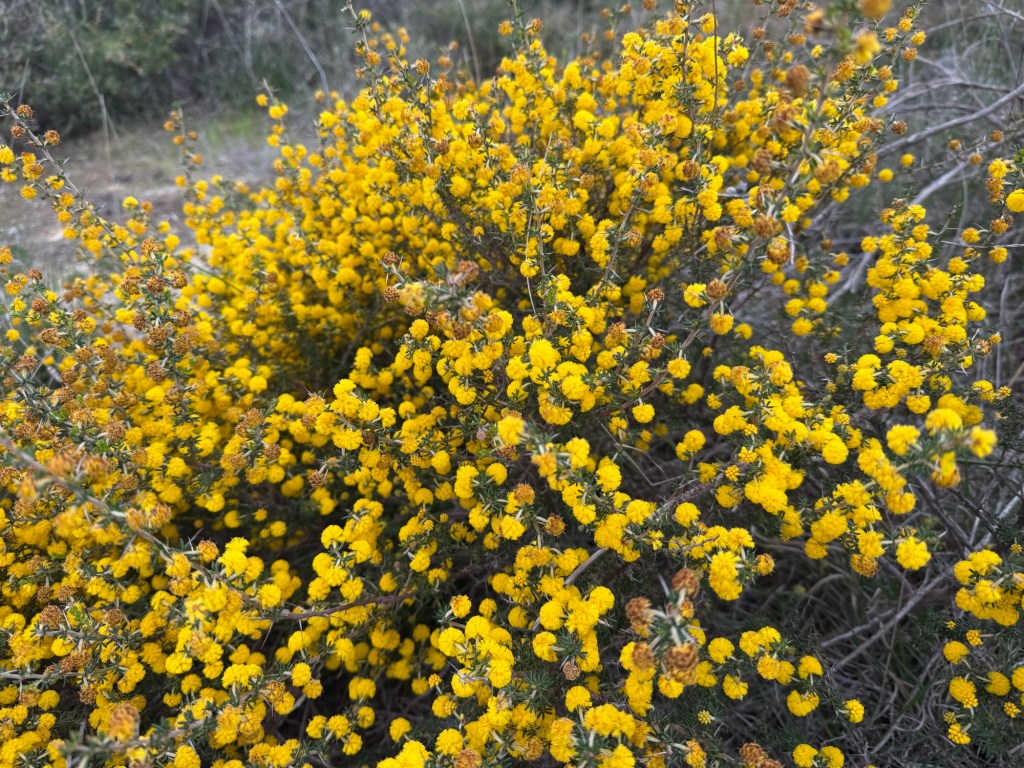
After the whale sharks of Exmouth we enjoyed another snorkelling dive on the coral of Ningaloo Reef. We swam with green turtles and all sorts of coral and fish and saw humpback whales breaching.
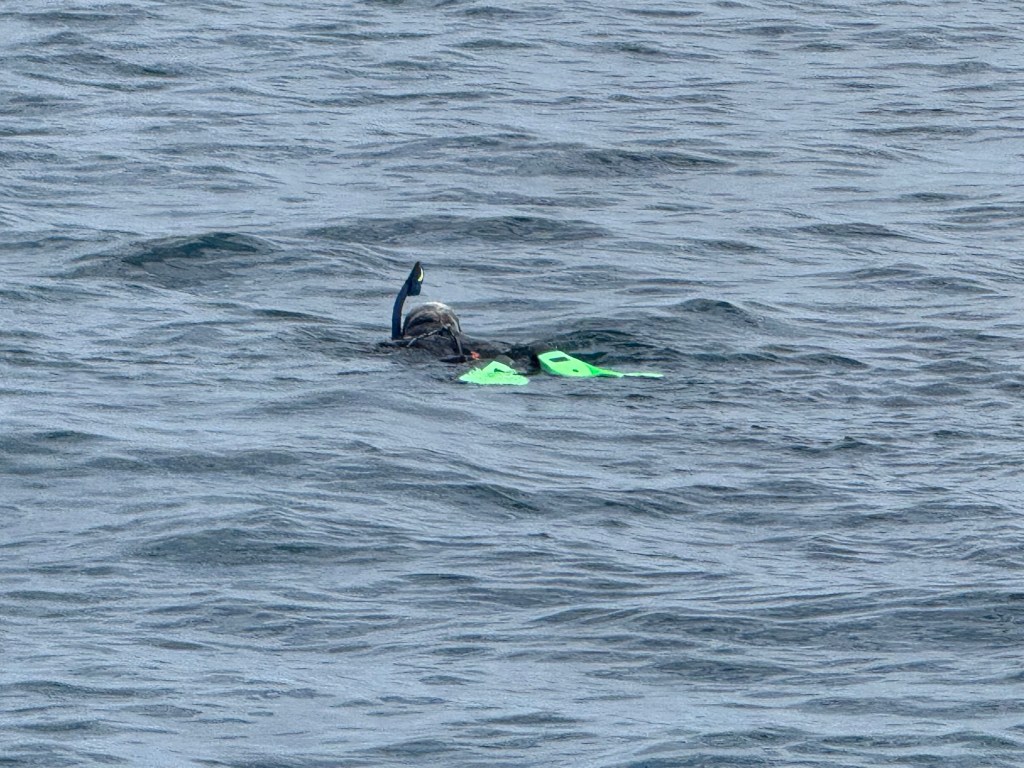
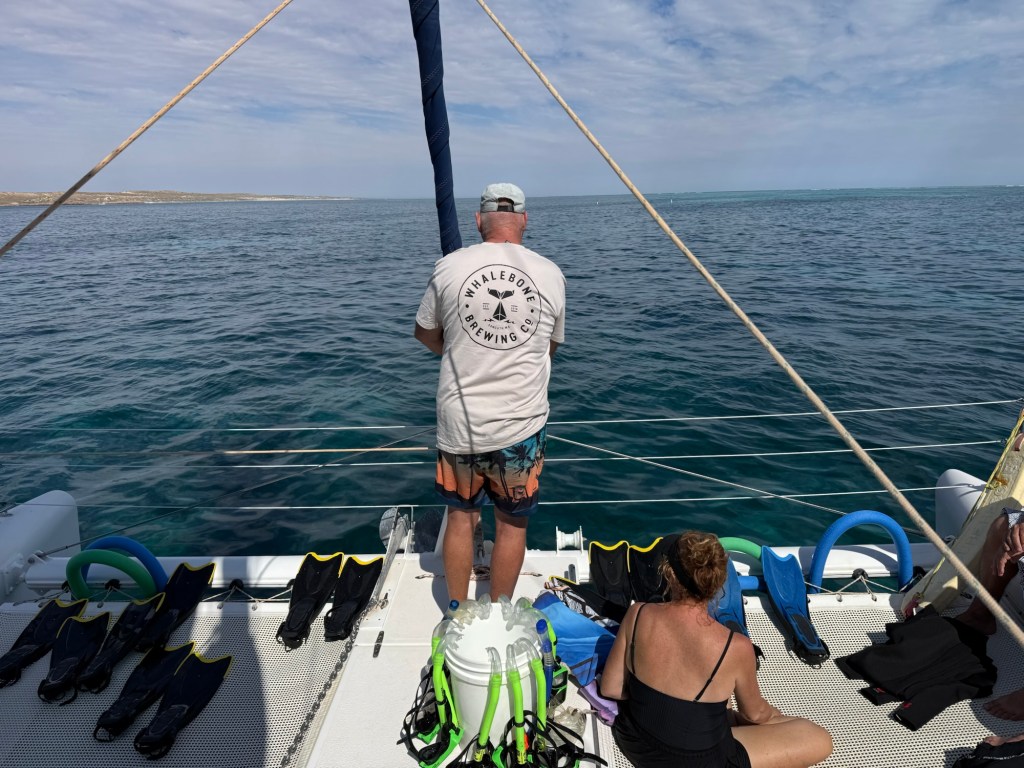
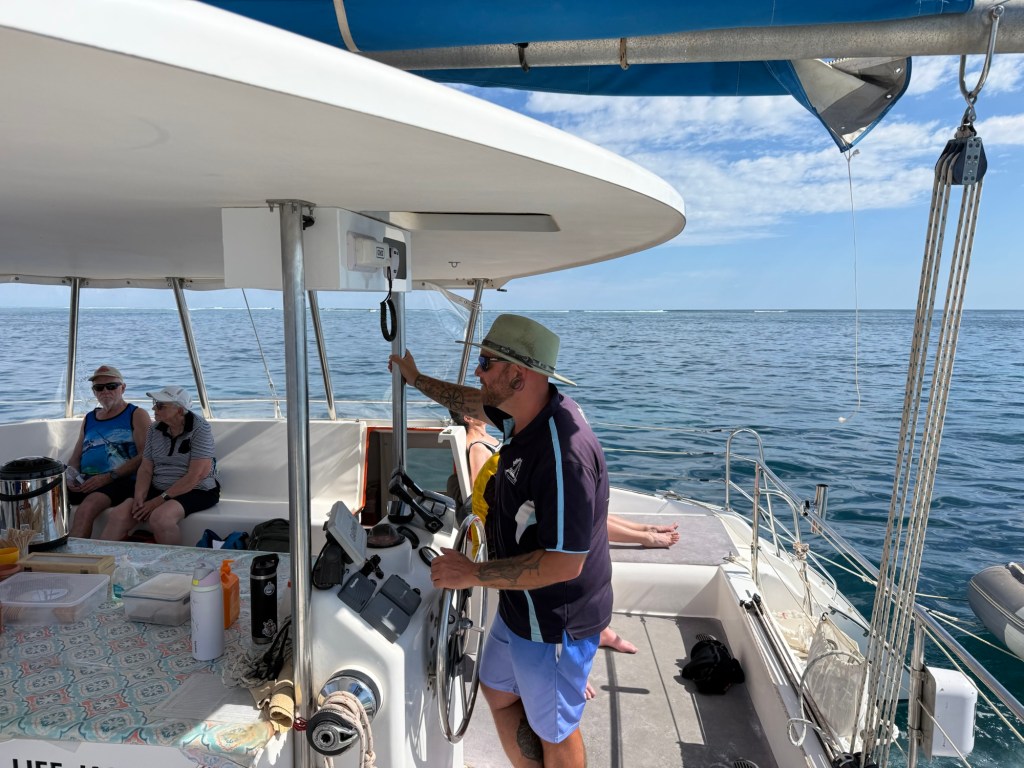
Our time at Coral Bay was punctuated by two days of rain. This seemed to be a message that it was time to leave. After Coral Bay it was lots of driving across vast areas of emptiness with the occasional road house.
We drove south through some wet weather which meant lots of mud. Now it’s not so much about dust but mud on the van and the car particularly after 10kms of unsealed road to your camp site.
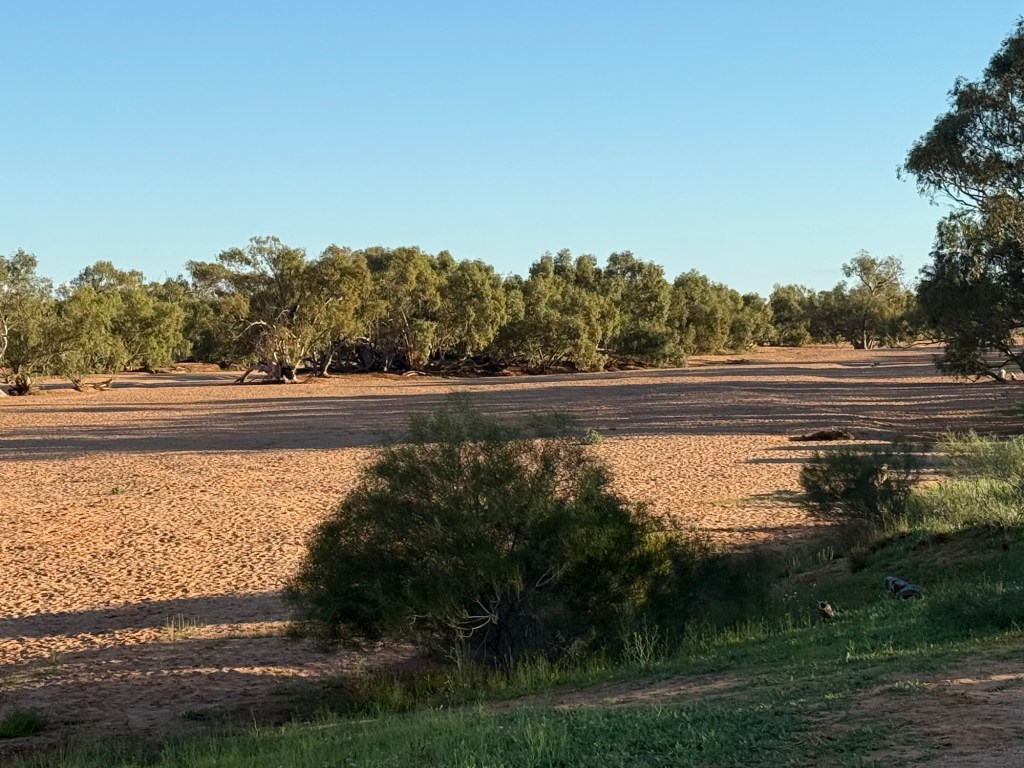
We enjoyed a free camp by the wharves of Port Hedland. Shunting trains in the middle of the night all added to the experience. They must have chosen to load the ships when they knew we were attempting to sleep.
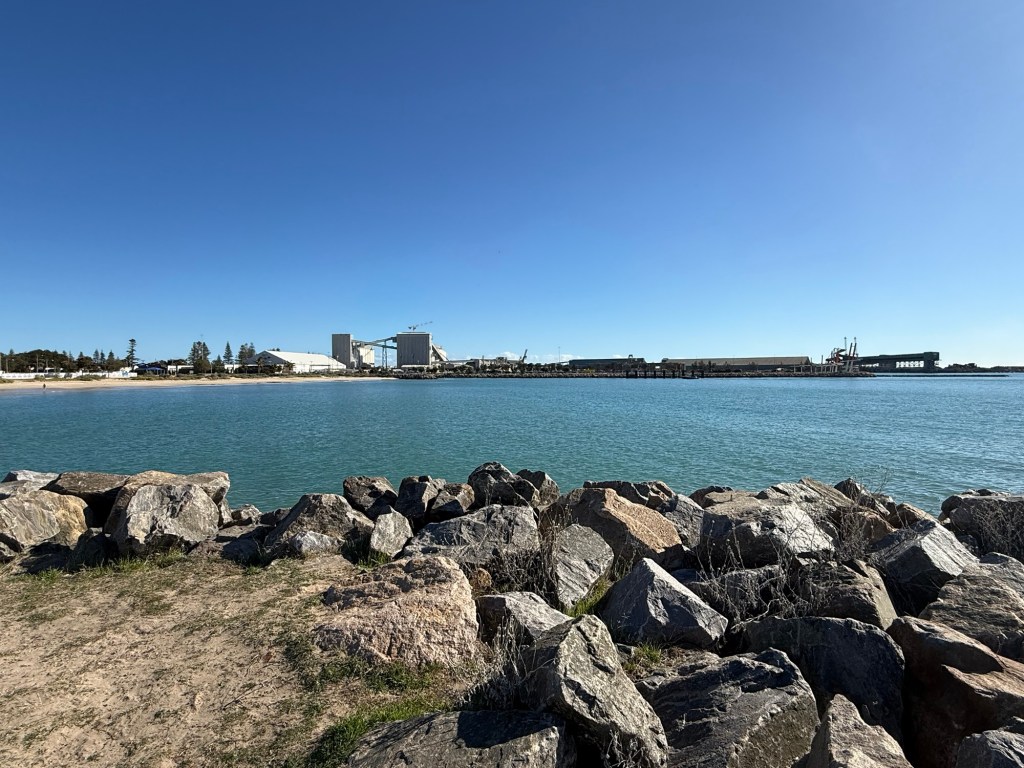
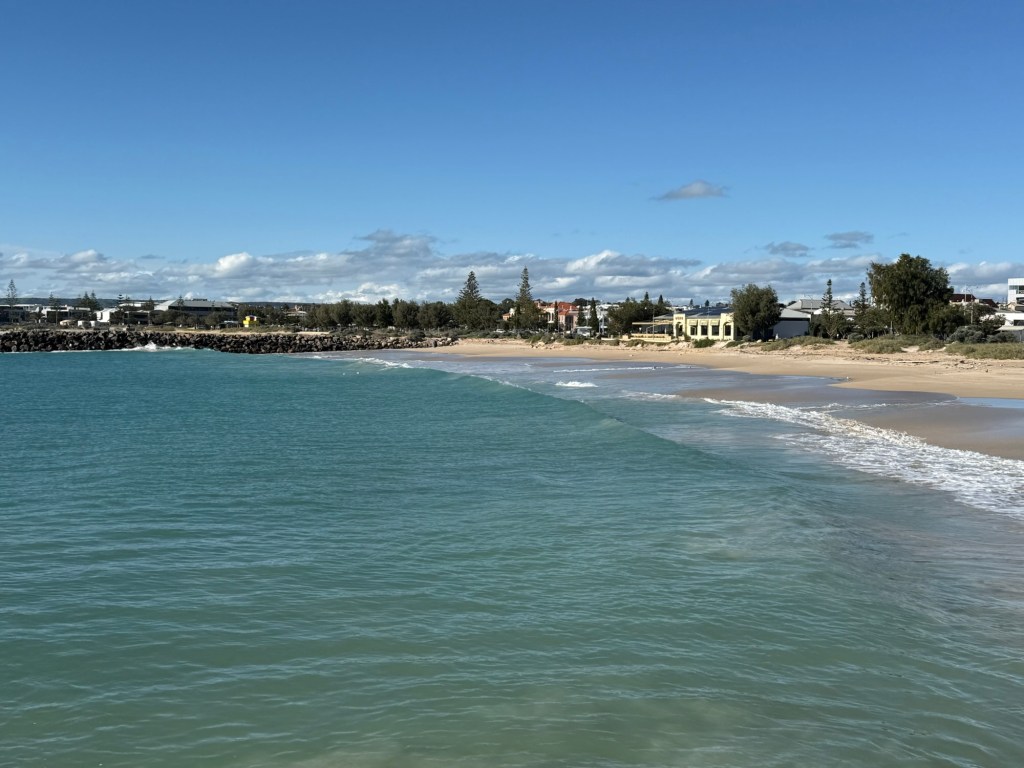
As we moved south dry savannah became cultivated agricultural land. Green fields were a shock to the system. It’s been two months since we have seen green fields of wheat and golden canola. And there is traffic and cars and people!
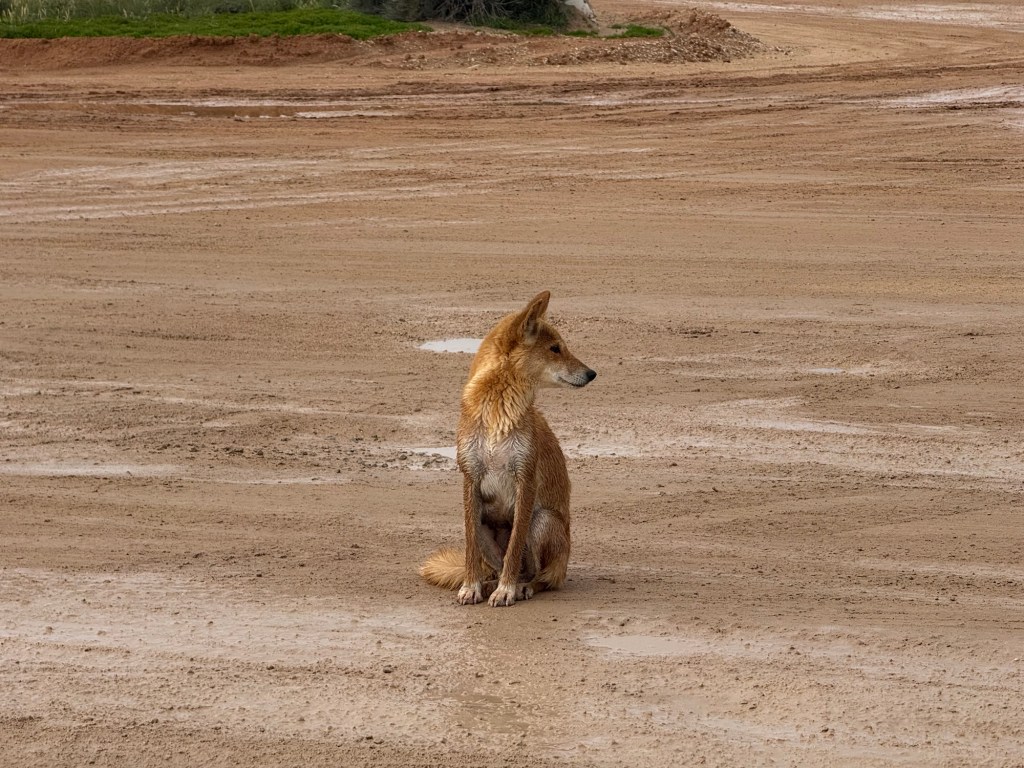
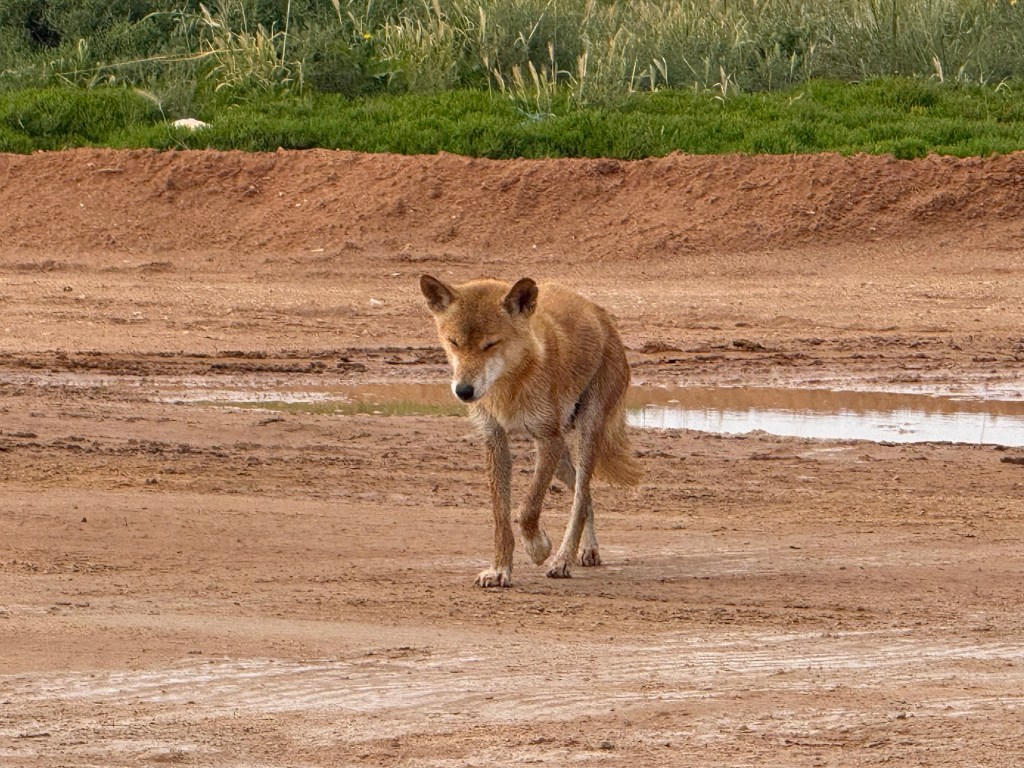
We cut across the wheat belt of WA to reach Kalgoorlie. This would be our staging point before the trek across the Nullarbor Plain. I took the opportunity to visit the Super Pit to see what has changed in the two years since we were last here. Where the lookout over the pit was previously located is now part of the pit and the pit continues to grow. There must be money to be made in digging out the gold.
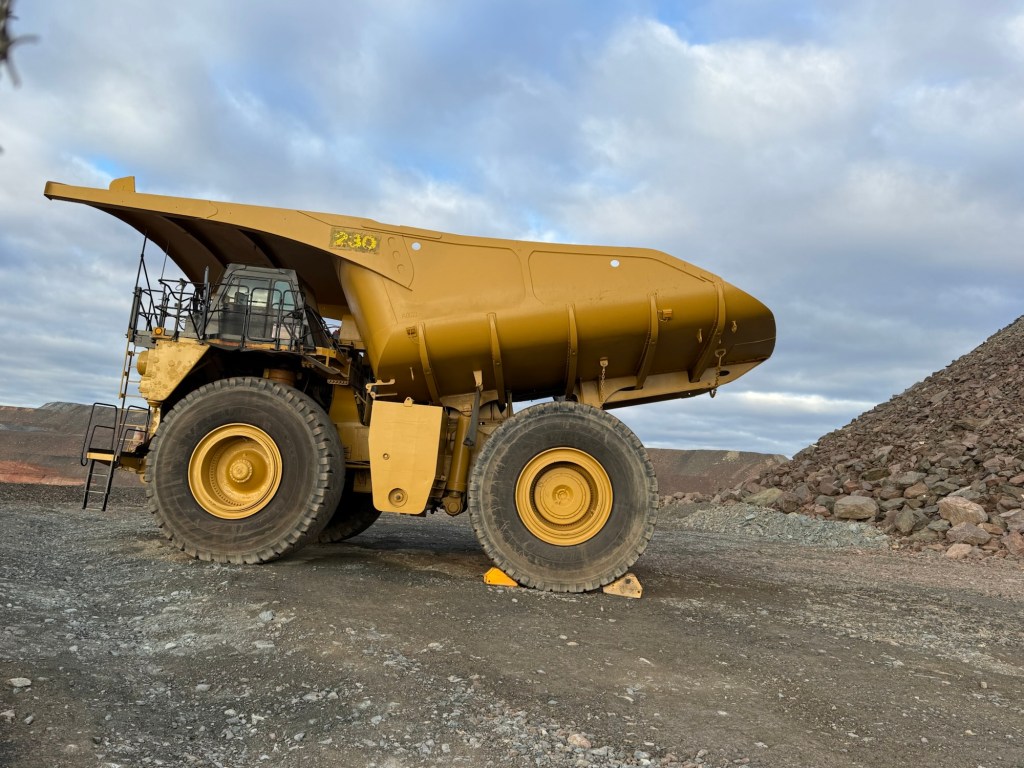
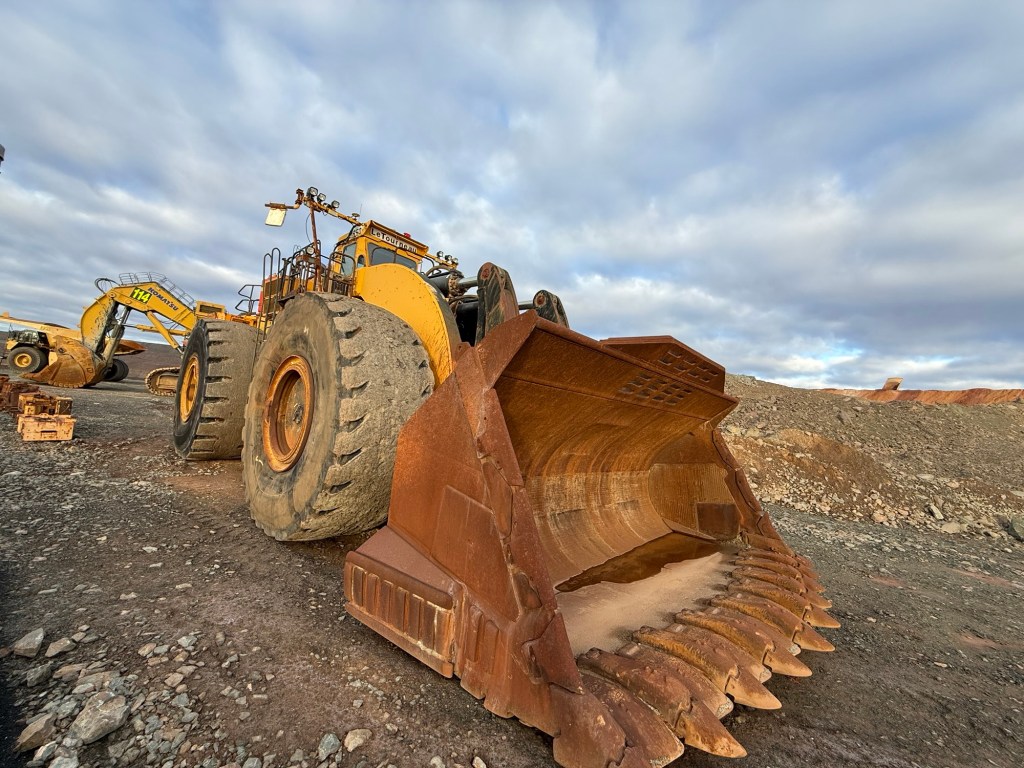
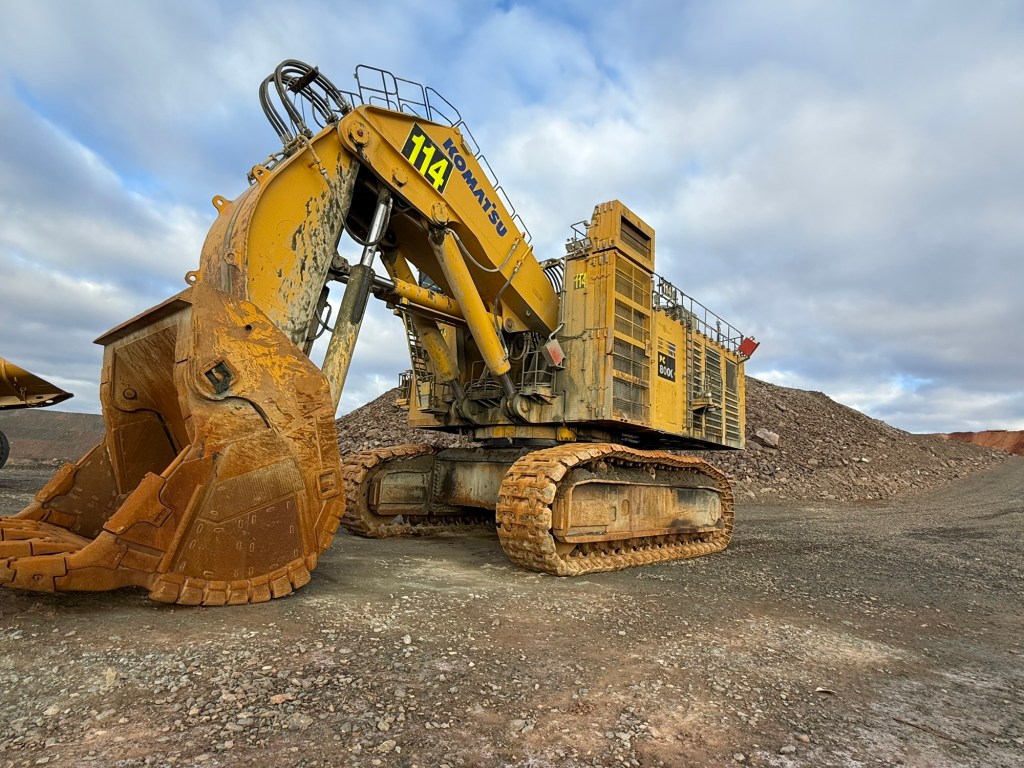
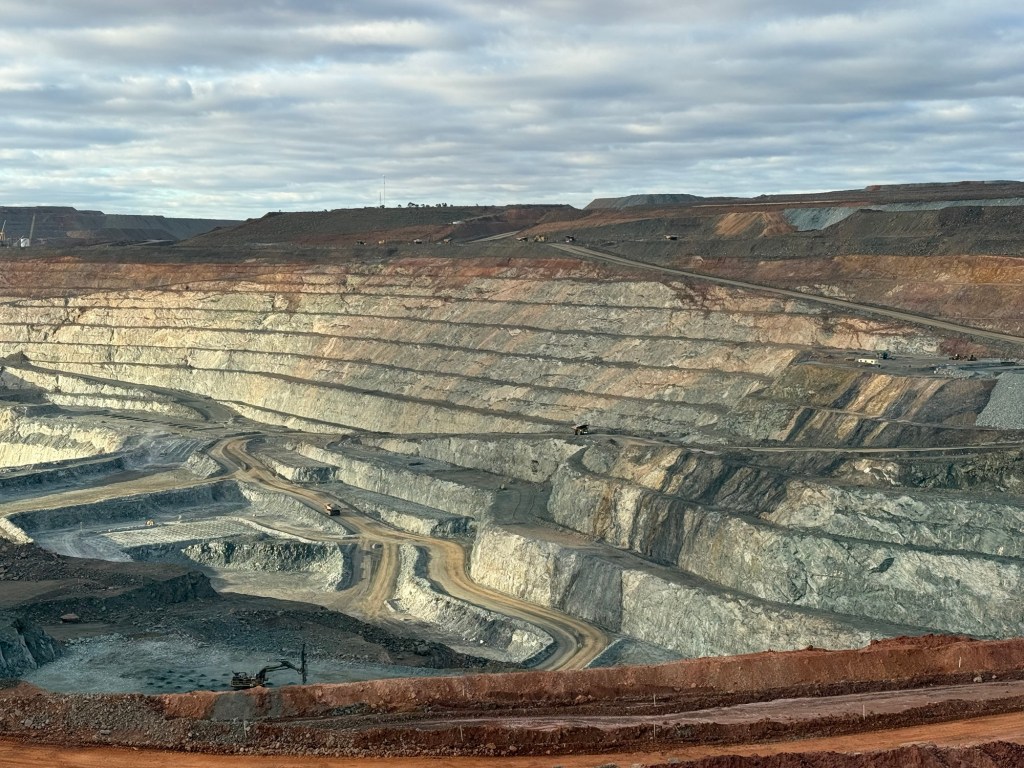
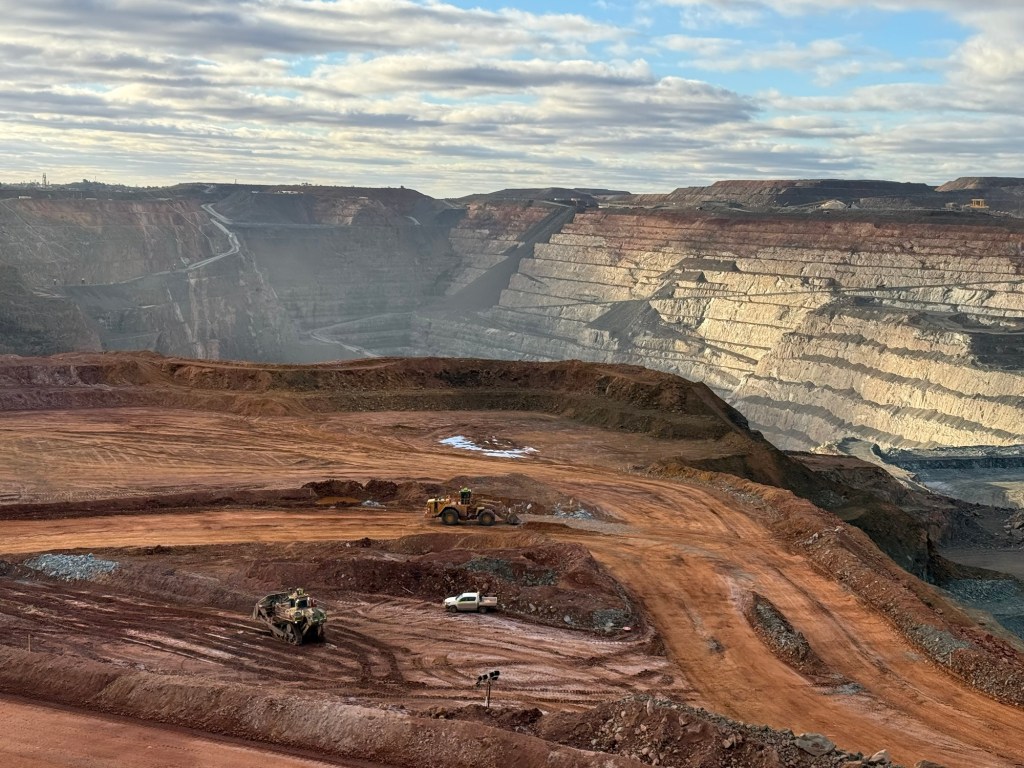
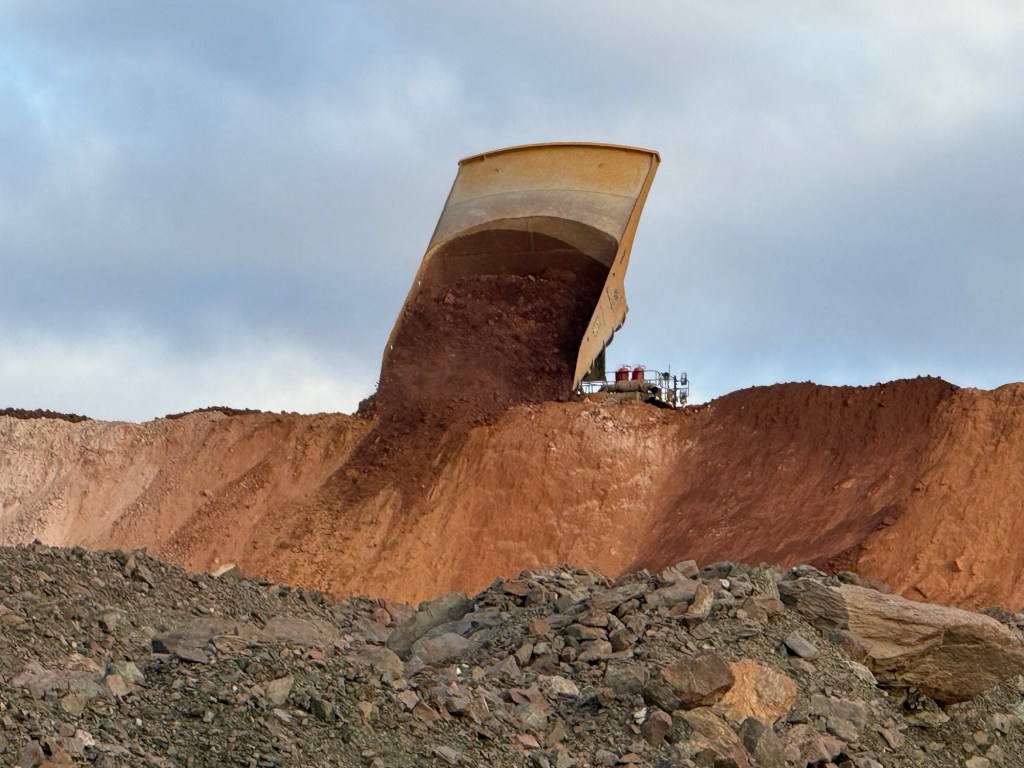
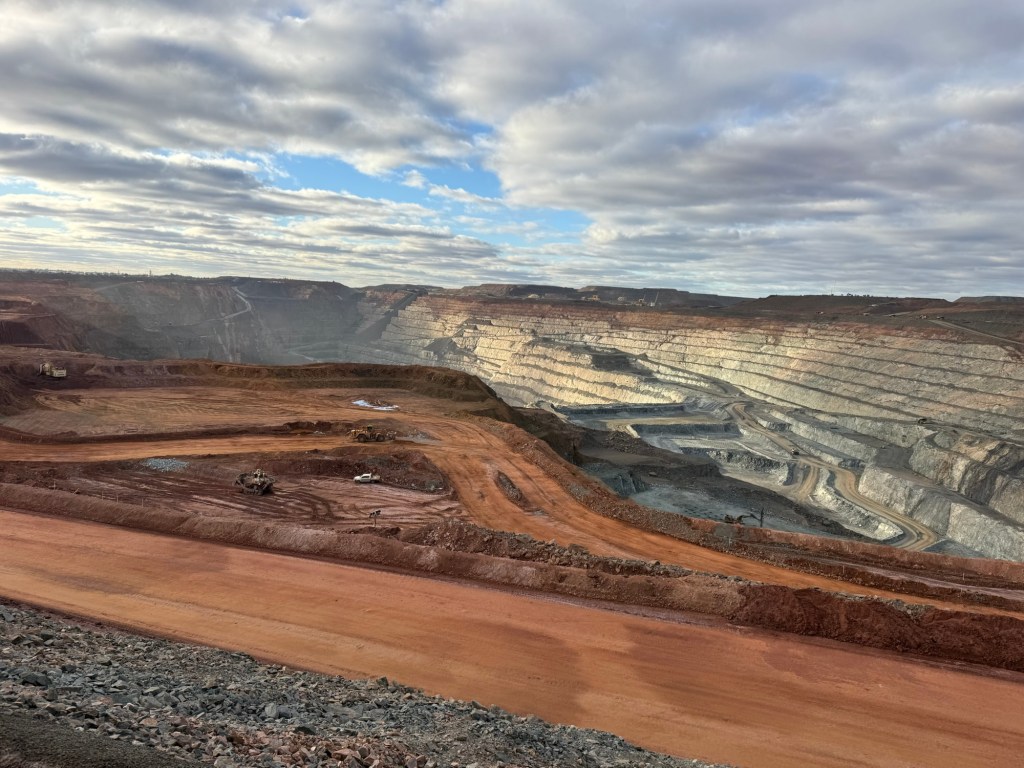
While looking down into the pit I counted 14 large mine haul trucks. Each one costs about $4mil and their 6 tyres cost about $350k. Let’s say $4.35mil by 14 and that was just what I could see. Oh and the trucks are retired after 10 years of service.
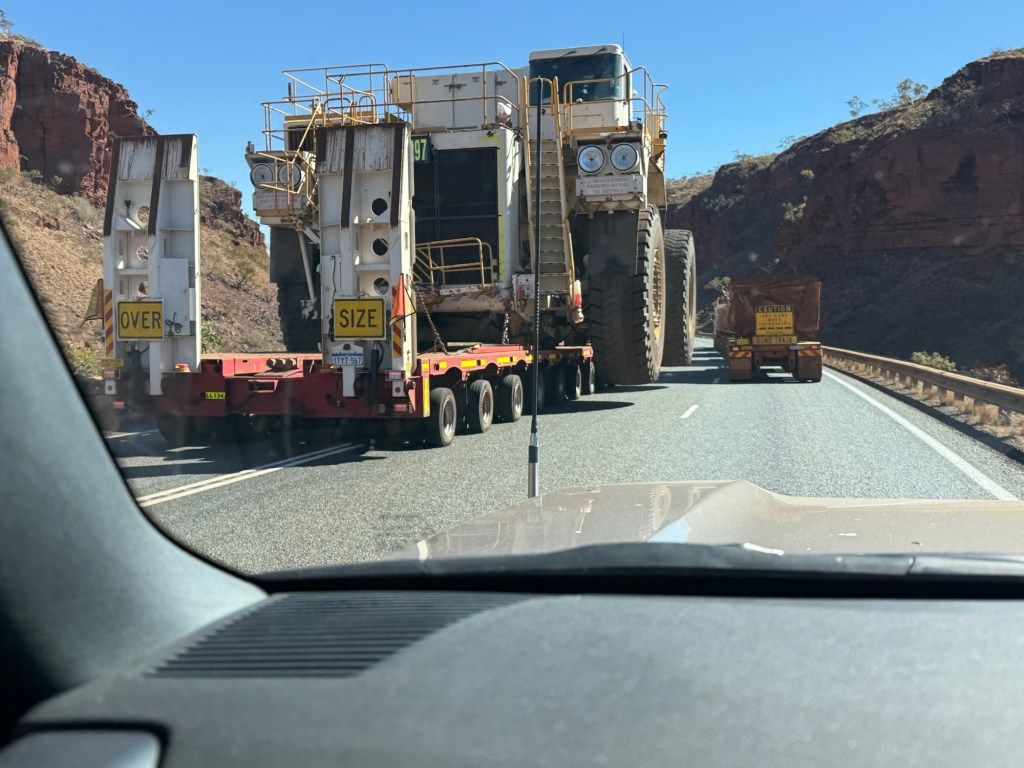
From Kalgoorlie we headed across the Nullarbor. It took four days to cross. Out here a full tank of fuel is good to the next roadhouse. You never drive past a fuel stop and they seem to be separated by about a full tank. A free camp above the cliffs of the Great Australian Bight is a great place to camp but don’t expect any facilities out here. A UHF radio is also a must so you can be warned about the 8 metre wide load coming towards you.
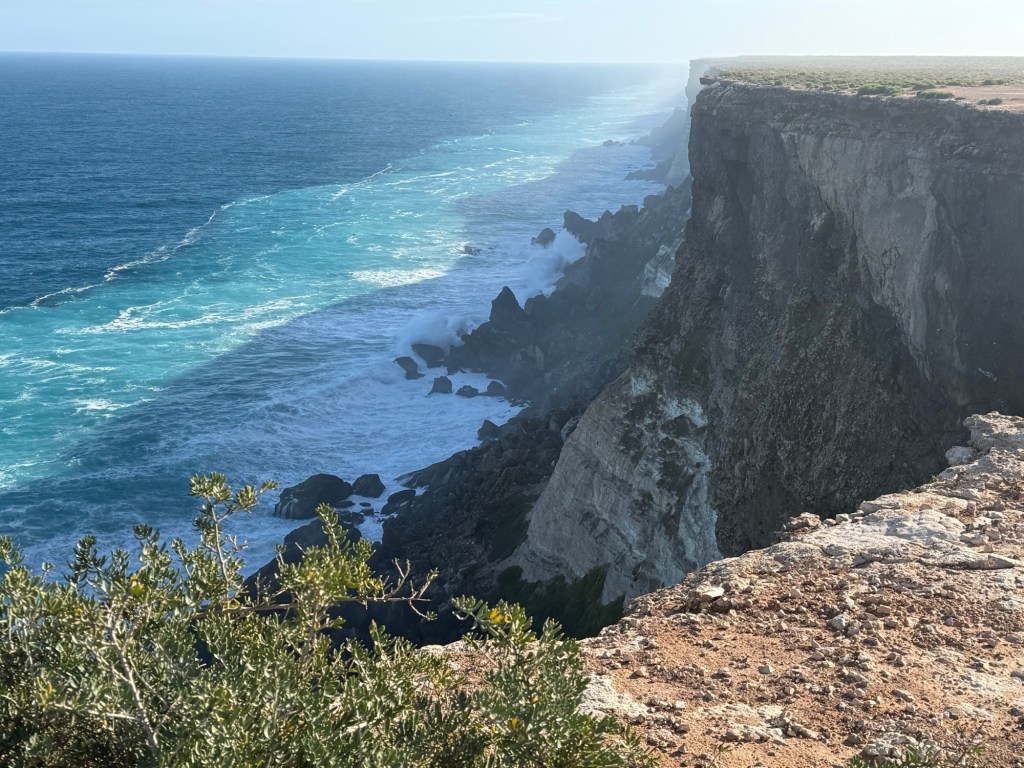
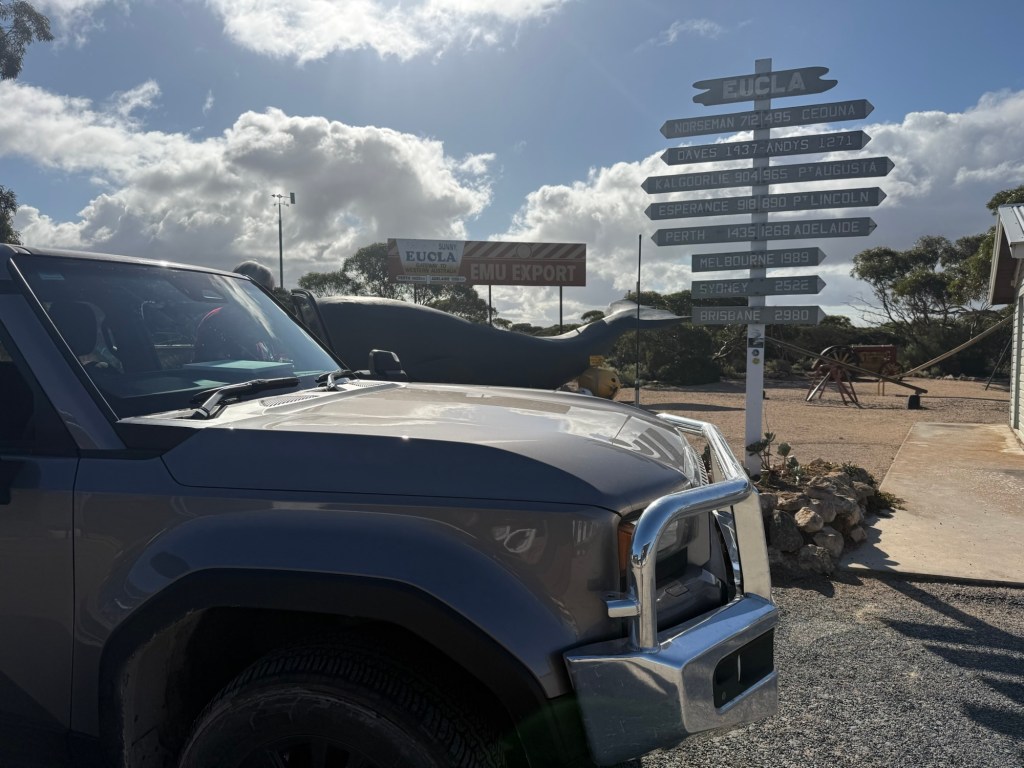
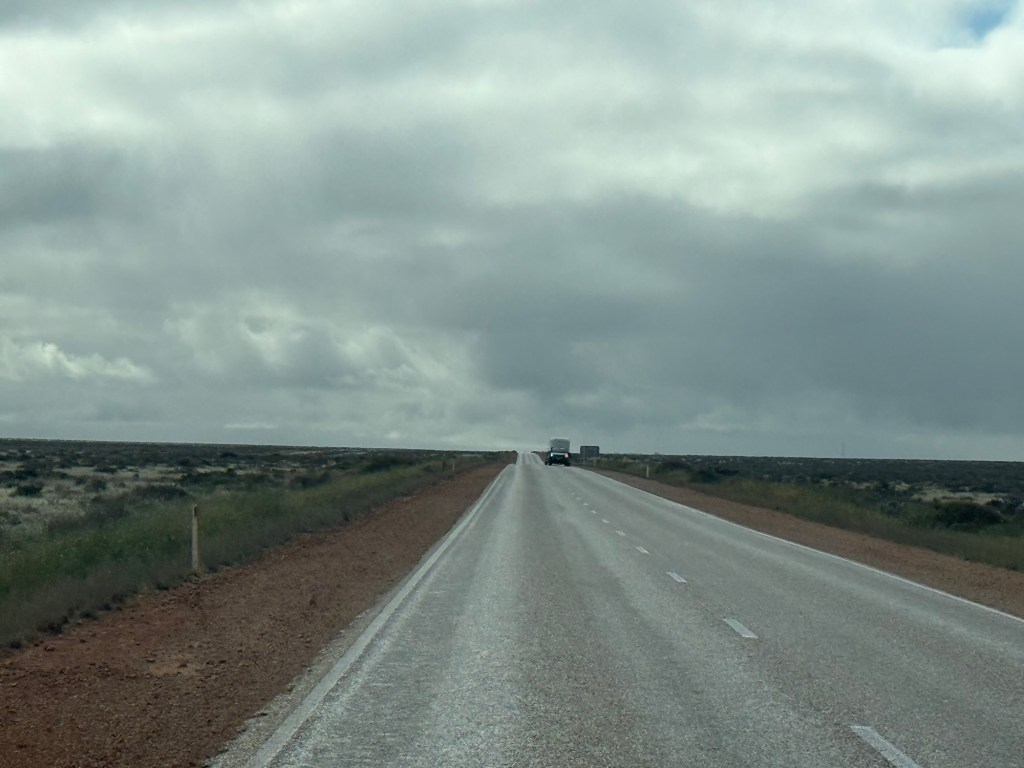
We have about a week to go of driving through South Australia, Victoria and New South Wales. Hopefully we can time our traverse to miss any weather extremes but once you start you are committed regardless of conditions.
More to come…
1 August 2026
There are many must sees up here on the WA coast and one of the biggest draw cards is swimming with the whale sharks.
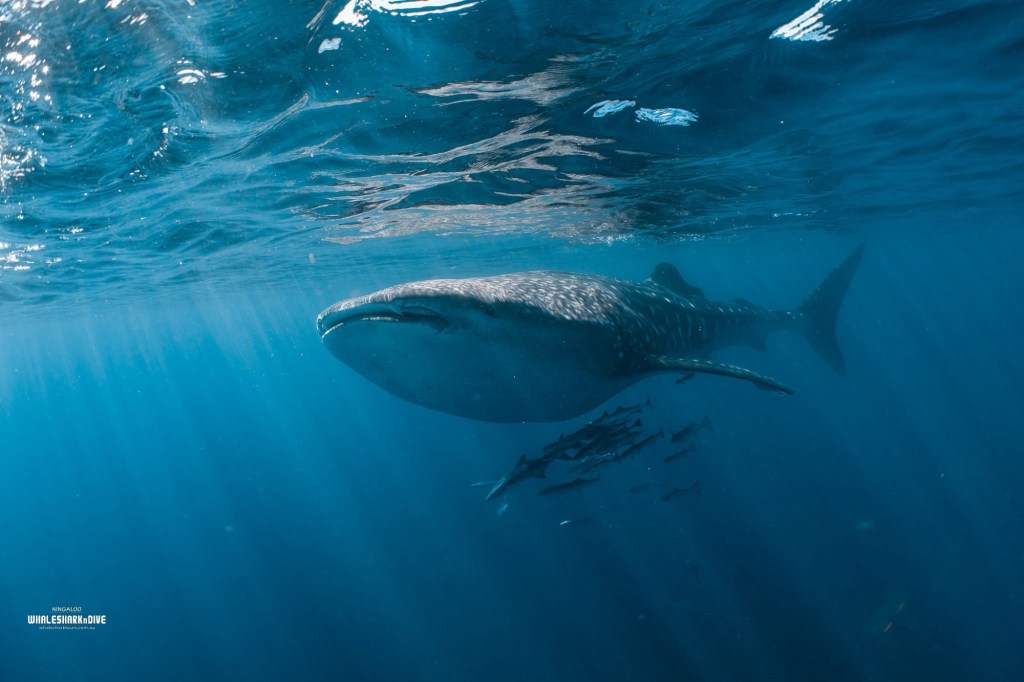
The whale sharks move along the outside of the Ningaloo Reef. They are sufficiently slow moving that you can swim along with these magnificent fish whilst they remain near the surface.
The tour pick up is at 7:00am. Off to the boat for a safety briefing and an explanation about how to get on and off the back deck of the boat. Next it’s fitting into full length wet suits and trying on your face mask and snorkel. Everyone is very unsteady on a moving boat.
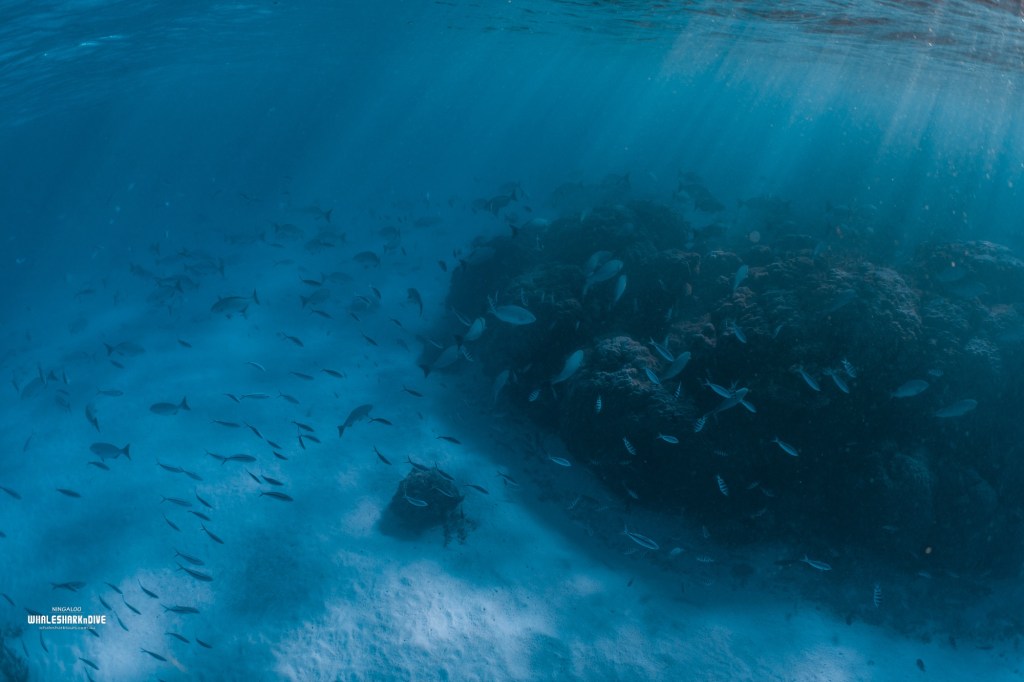
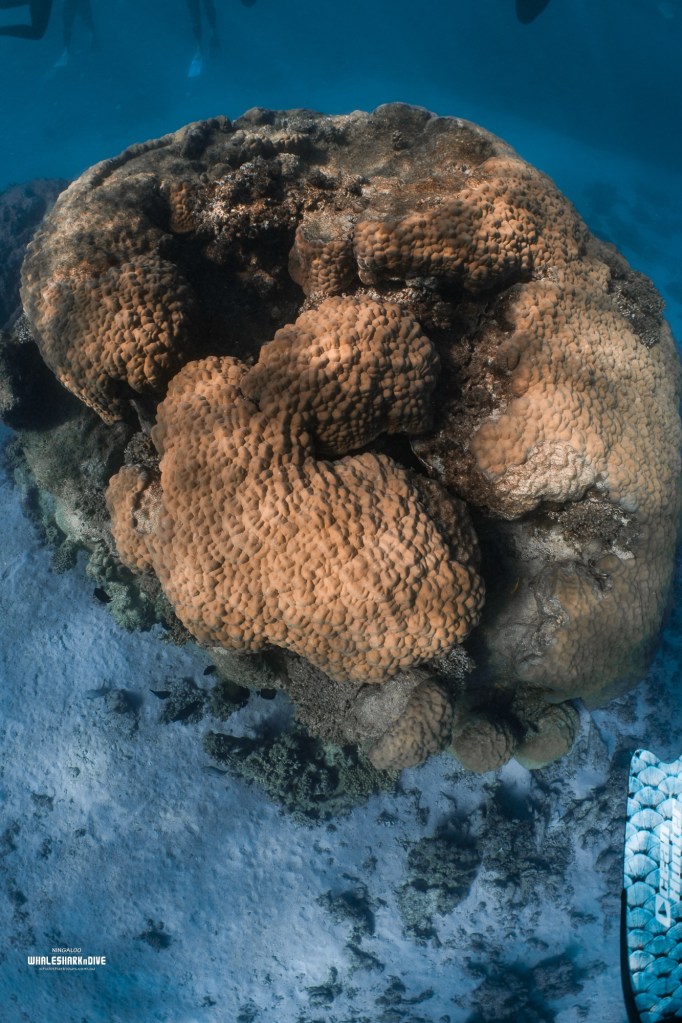
We head off to some coral bommies for some practice at slipping off the back of the boat and then propelling yourself back up. Have you ever seen how penguins propel themselves out of the ocean and onto the ice? No, that wasn’t us. How about a beached whale? That’s getting closer, uncoordinated, awkward and inelegant.
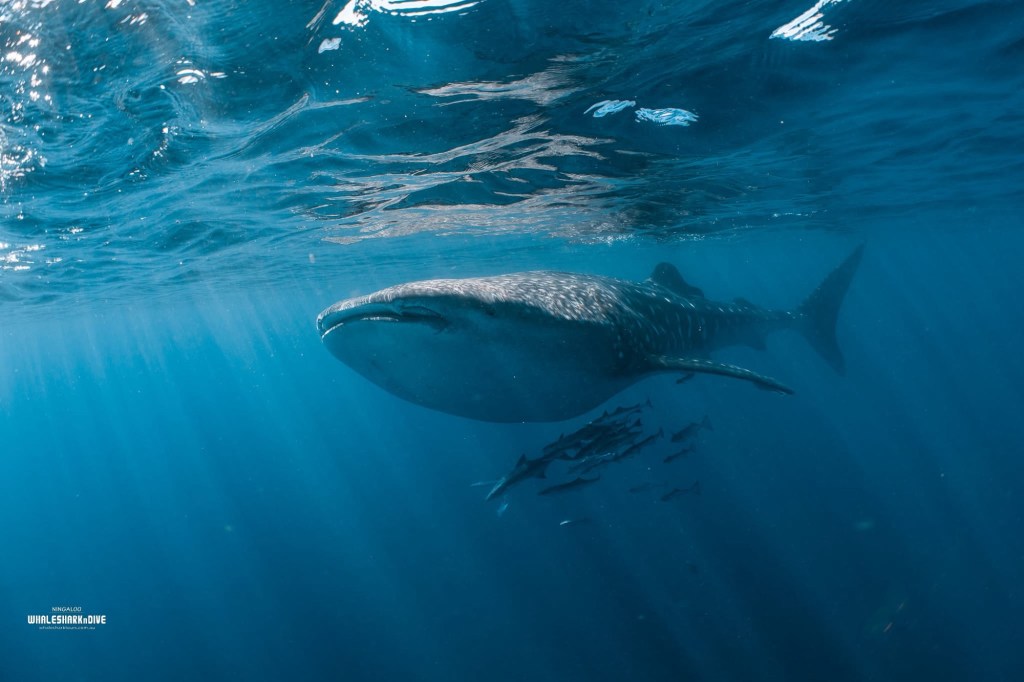
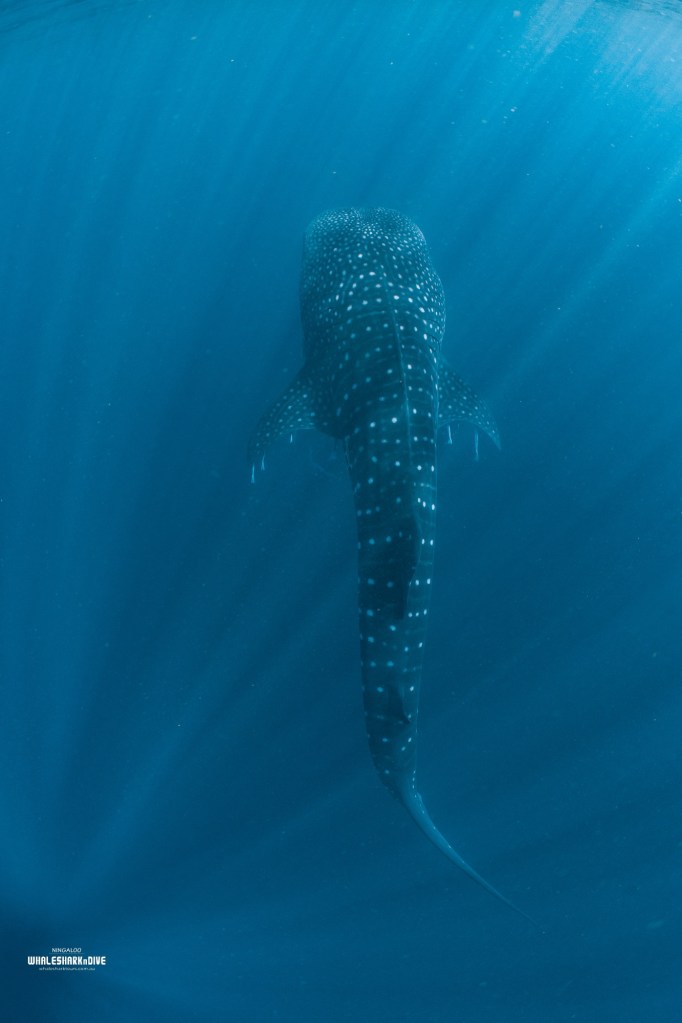
After swimming around the coral, the trevally and lots of parrot fish we were back on board. Morning tea and then outside the reef to find whale sharks. Do you remember when we were told you can’t swim for an hour after to eating! It doesn’t apply up here.
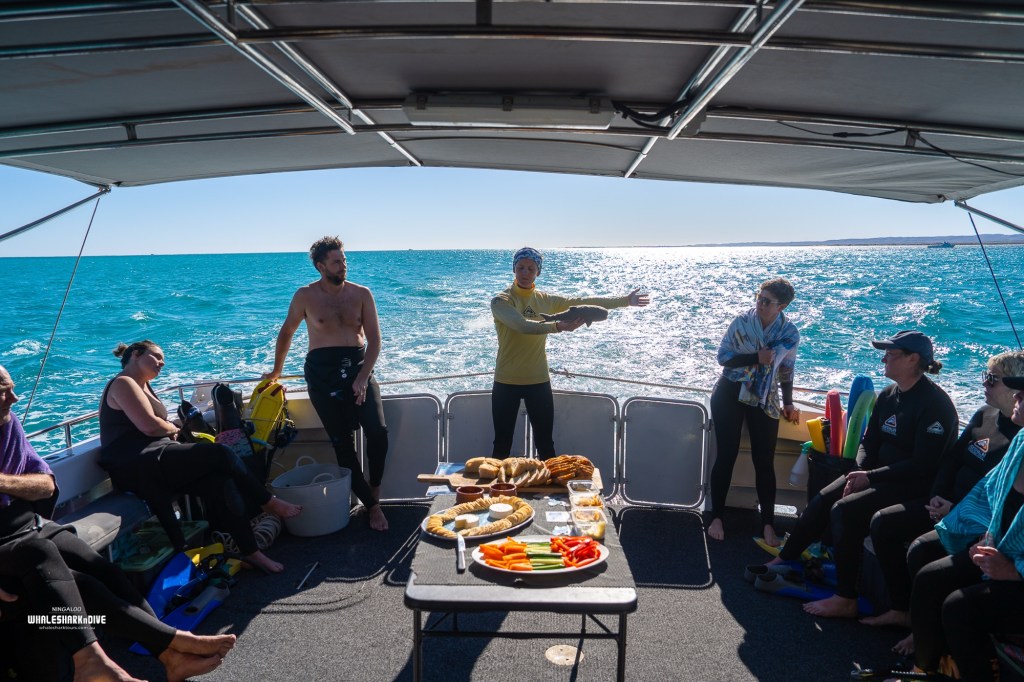
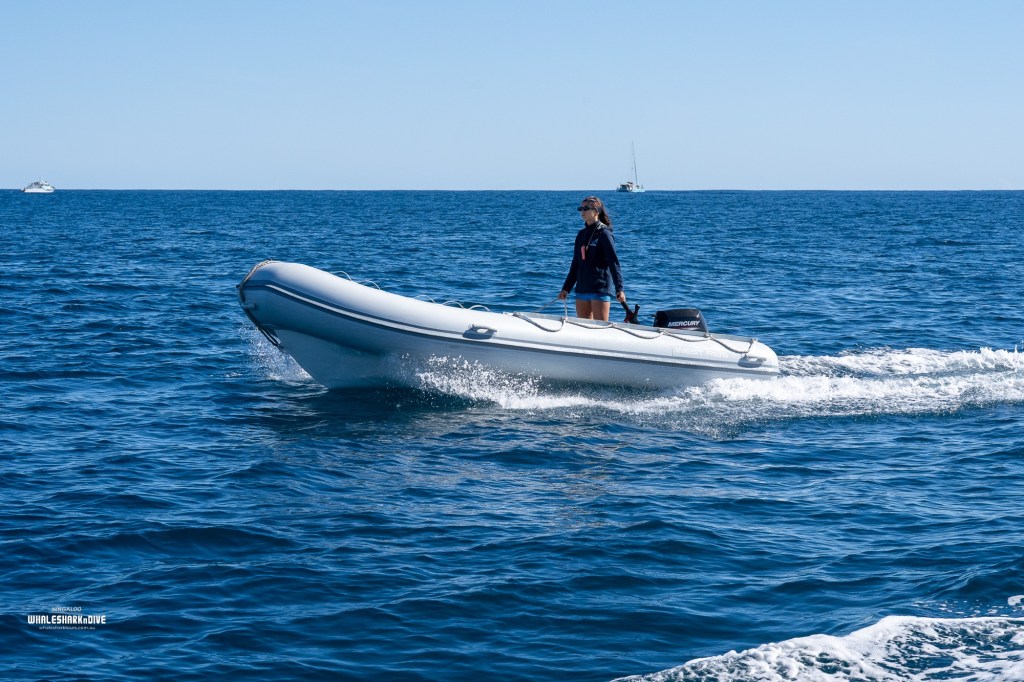
There are aircraft overhead searching for the whale sharks. We are all sitting down at the back of the boat waiting for the command. Suddenly the captain calls out Go! Go! Go! We all obey and slip off the boat into the Indian Ocean. It’s about 40m deep out here and the bottom is well out of sight. Our guide is in the water and she tells us where to look. There it is, right in front of you a massive fish with its attendant courtiers, quietly swimming past your group.
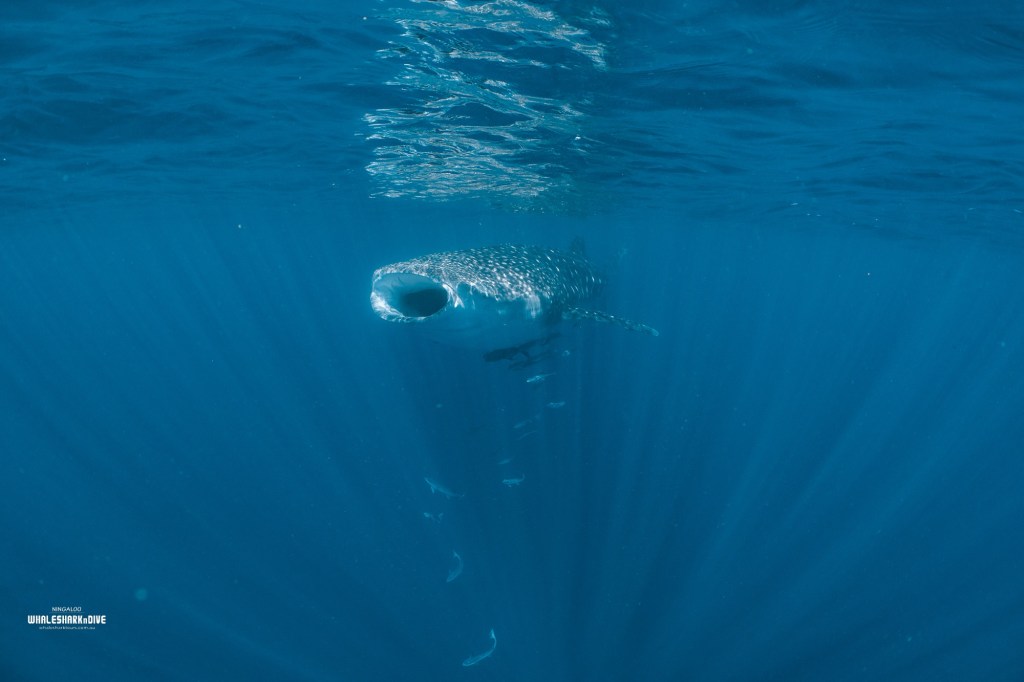
I was able to swim around the whale shark, past its tail and to stare into its eye. Amazing. Our group left the whale shark for another group and now it was time to get back on the boat. Ugh!
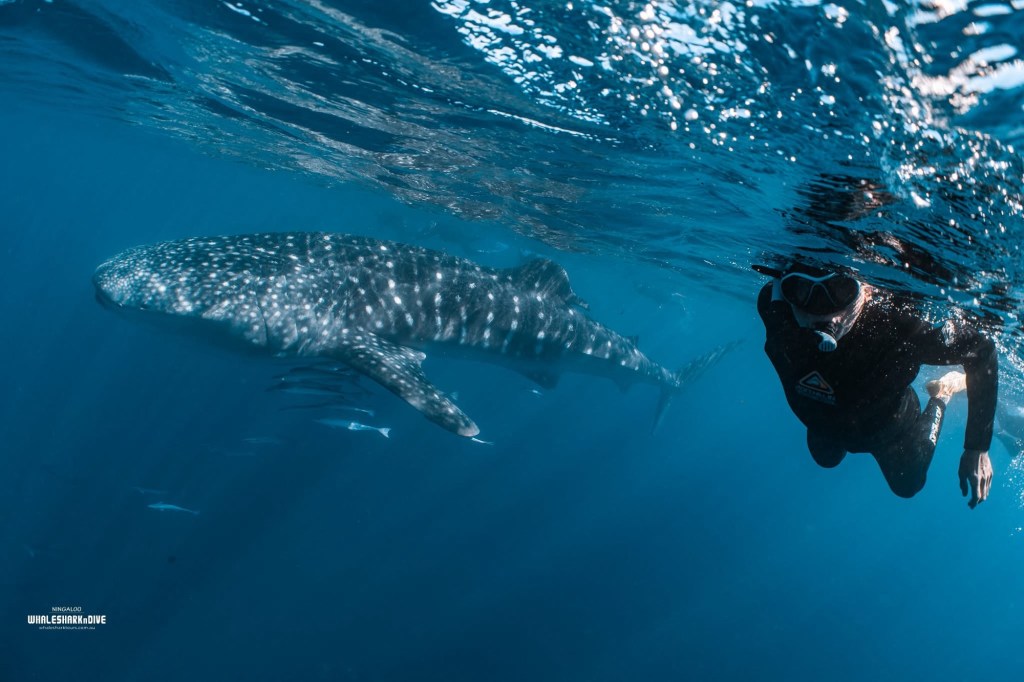
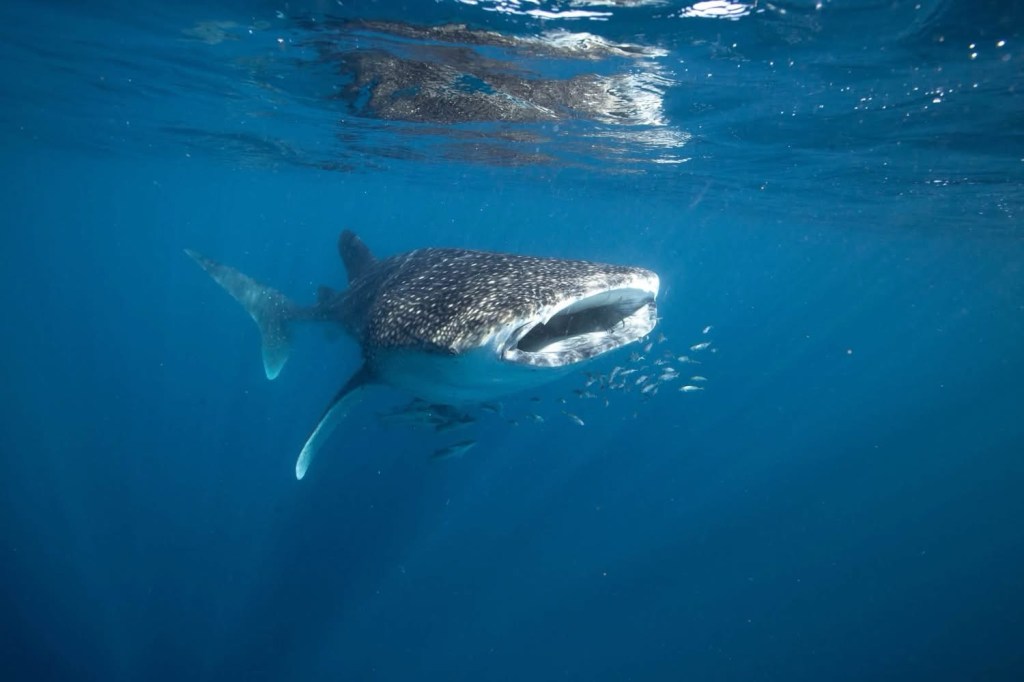
With both groups back on board we were off to find another big fish. We did this four times after which getting back on board was far more challenging. The body was loosing its penguin like abilities.
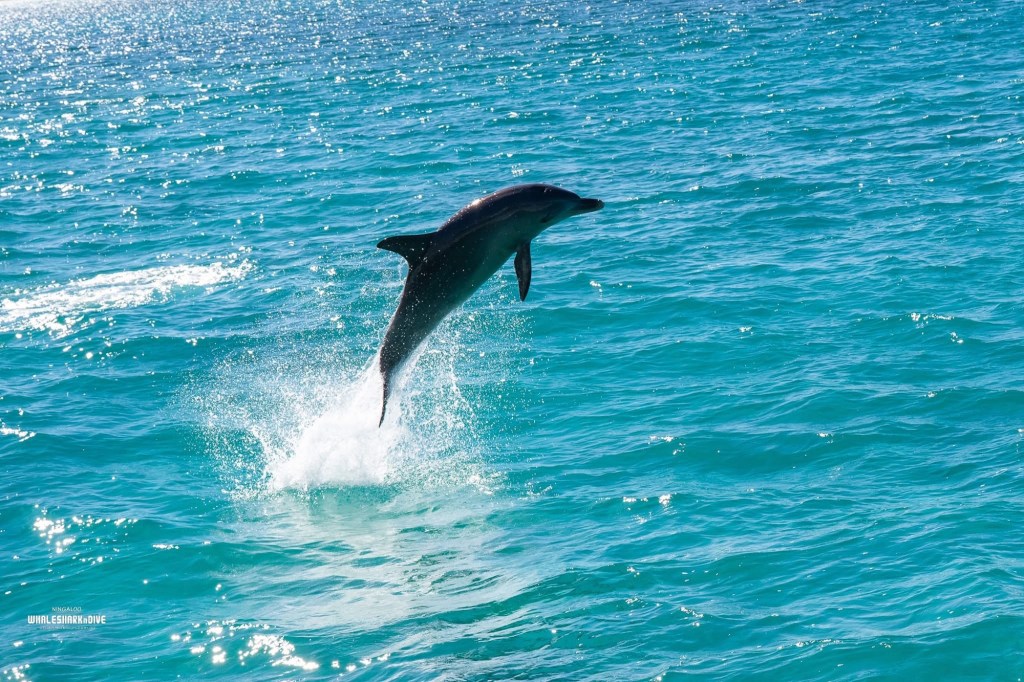
Lunch and then off to see a dugong, a hump back whale and dolphins. A big day that won’t be forgotten. A snooze on the bus back to town was well earned.
Consistent with past experience our guides and the photographer were from Italy, Argentina and the UK. The Captain was probably the only local.
Back to Coral Bay for a few days and then time to plan for the trip home. We have nearly 5,000kms ahead of us.
31 July 2026
Whenever there is the chance of viewing a solar eclipse we are flooded with advice not to look. The intensity of the light from the eclipse would damage your eyes. So it is when filling up with diesel in these remote places, just don’t look. You can read your fuel gauge on the dash but no more. Just fill your tank and swipe your card, don’t look. There is no alternative the last road house was 300 kms from where you came. The next roadhouse is 300 kms in the direction you are heading. Just buy the fuel and move on, just don’t look, price is irrelevant. You will be scared for life if you look.
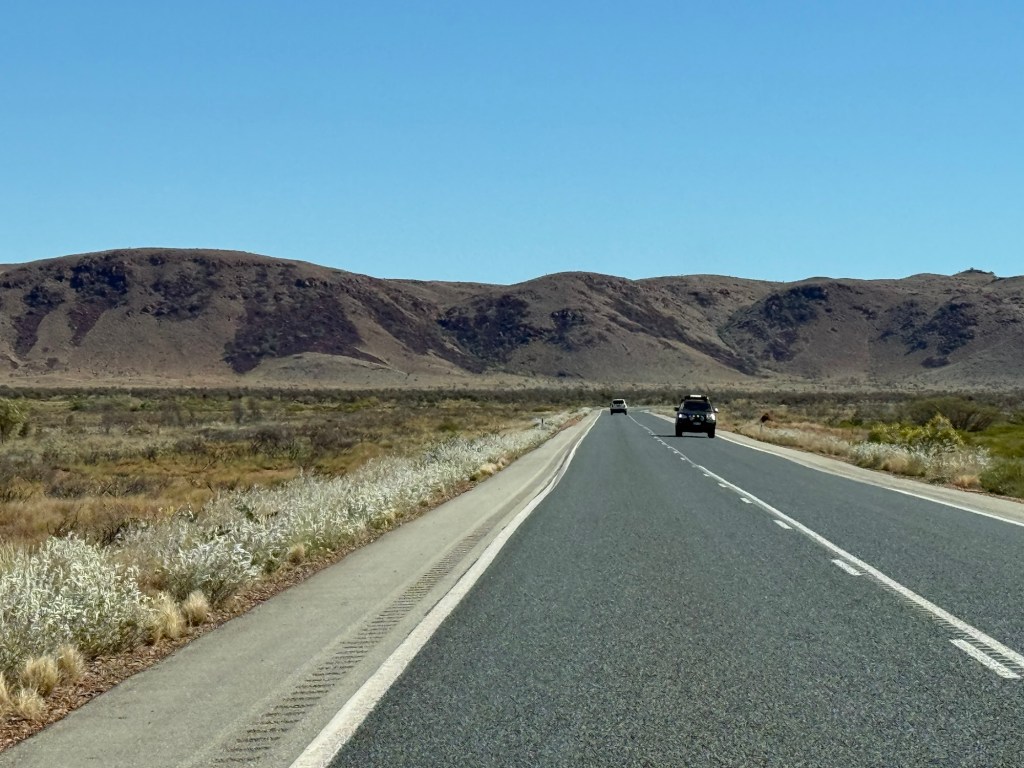
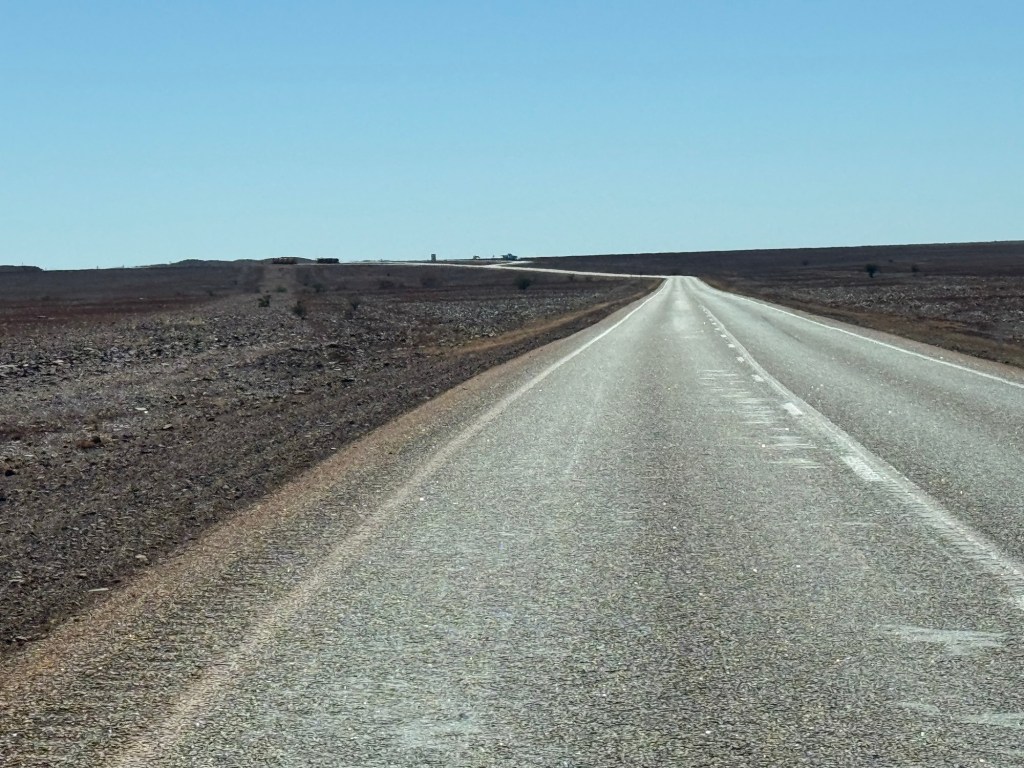
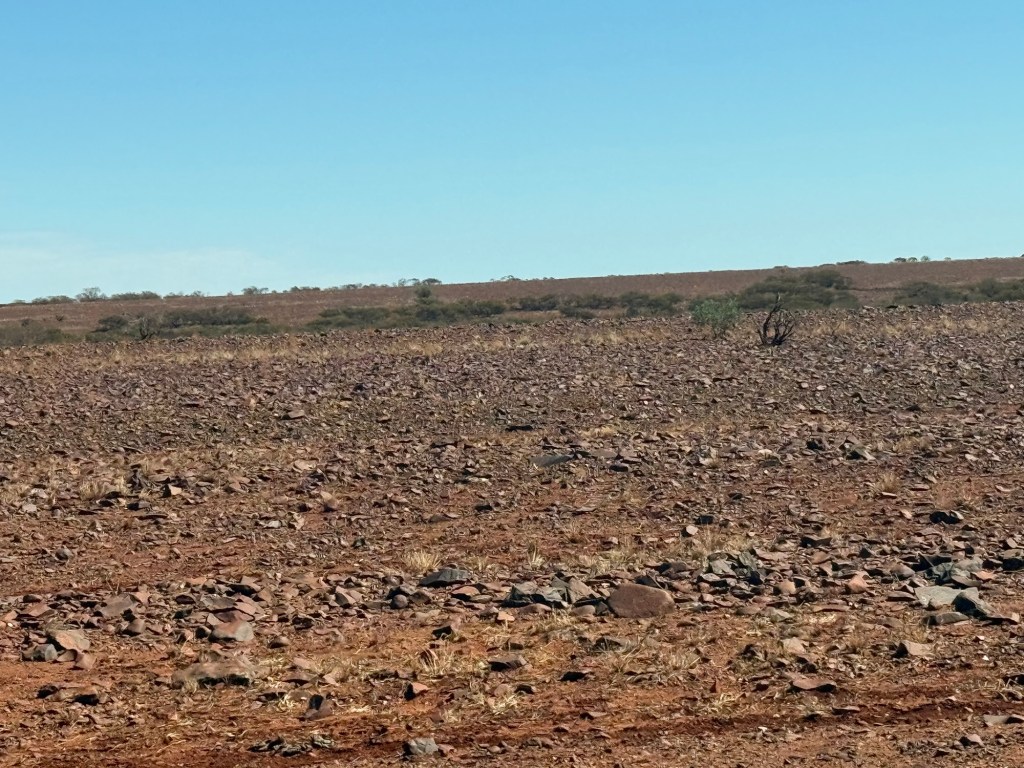
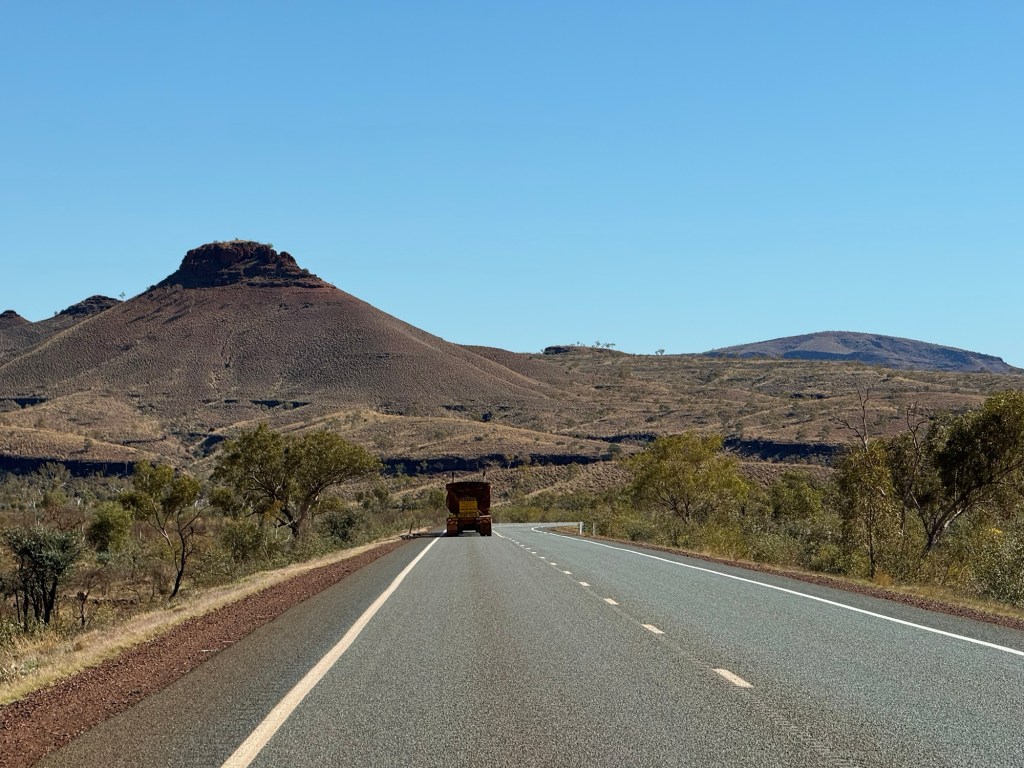
We all learnt at school that Dirk Hartog arrived on the Western Australian coast in 1616 and he stayed only three days. Dirk decided a longer stay wasn’t warranted. I have to say I have some sympathy for Dirk’s decision. Now this coast has all sorts of attractions, coral reefs, rugged gorges, beaches, not to mention the mining riches. In 1616 however there would not have been much for your average Dutchman. This is very empty country.
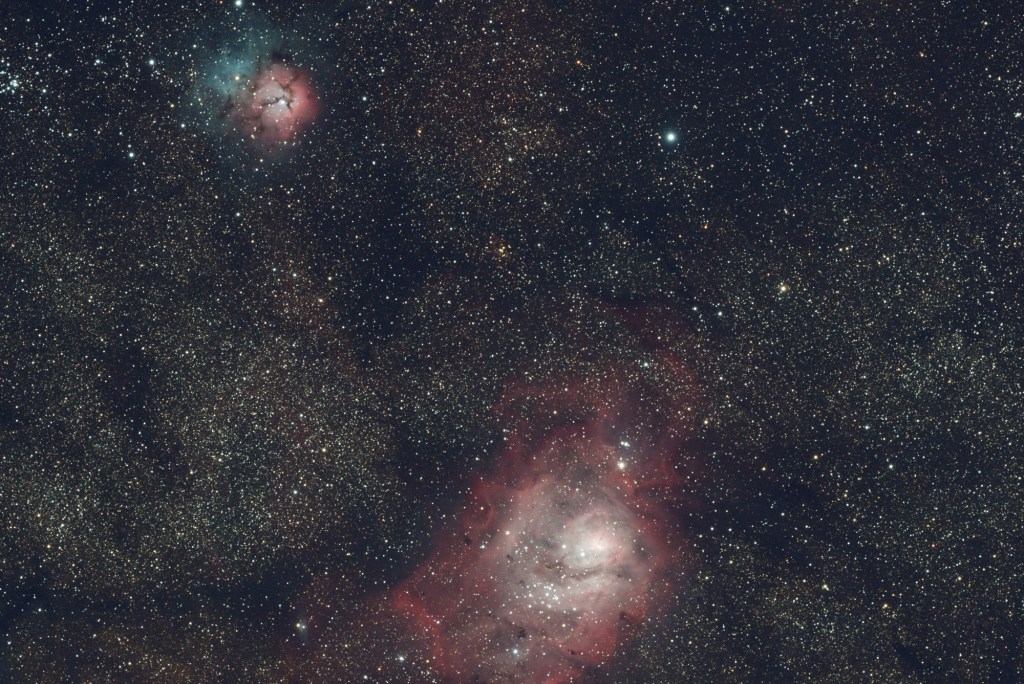
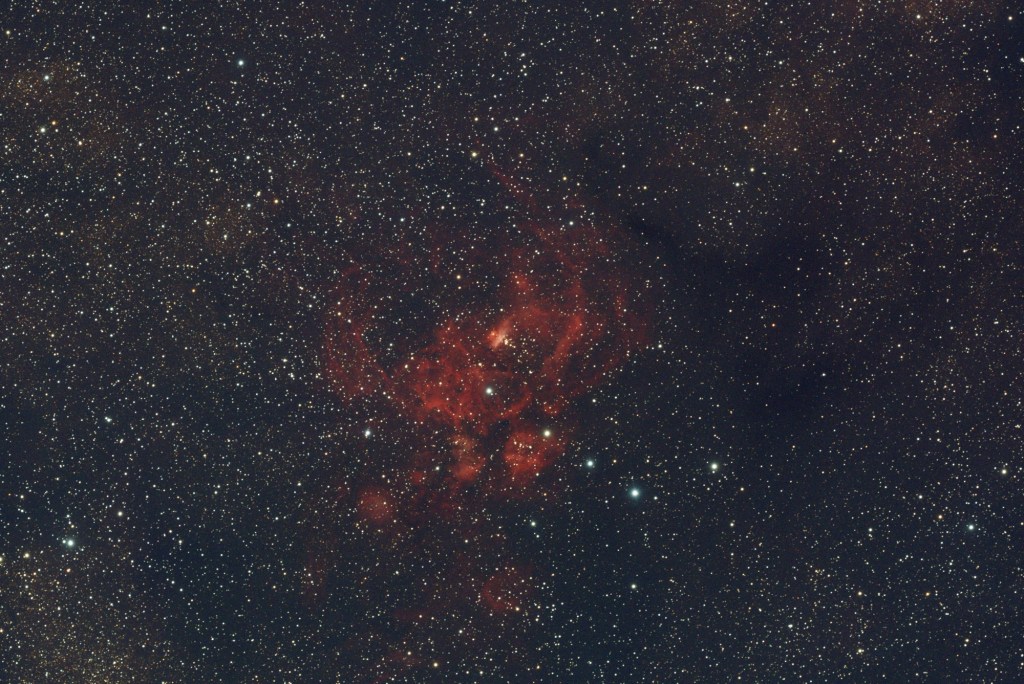
The night skies in this country are spectacular. We enjoyed a tour of the night skies at 80 Mile Beach and have now received the pictures taken that night. I might be able to photograph a train but a nebula that is millions of light years away is beyond my skill level.
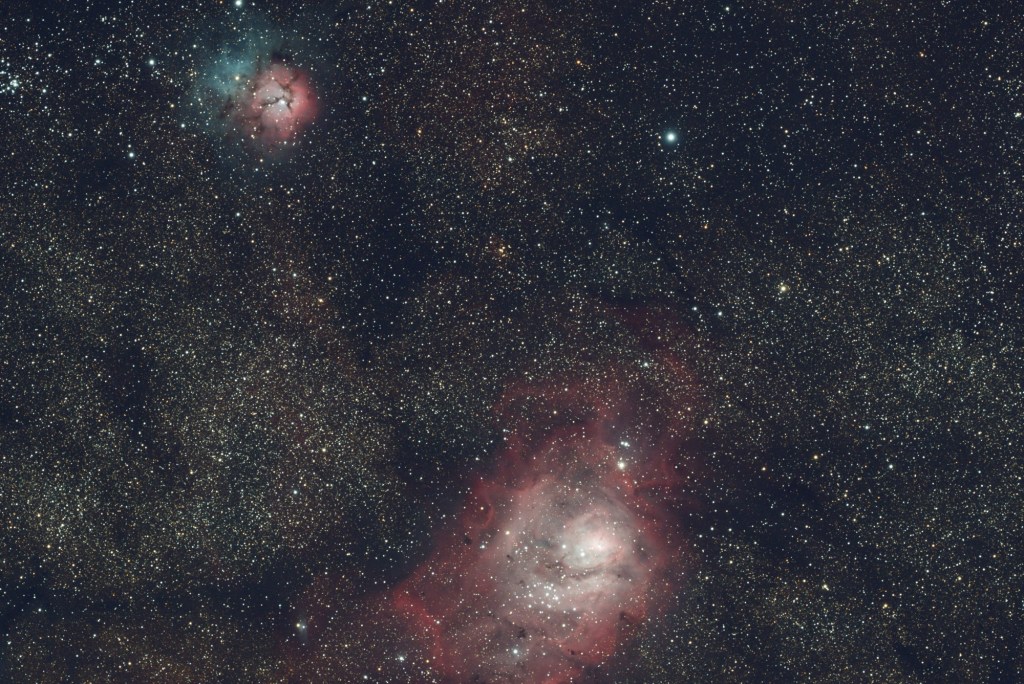
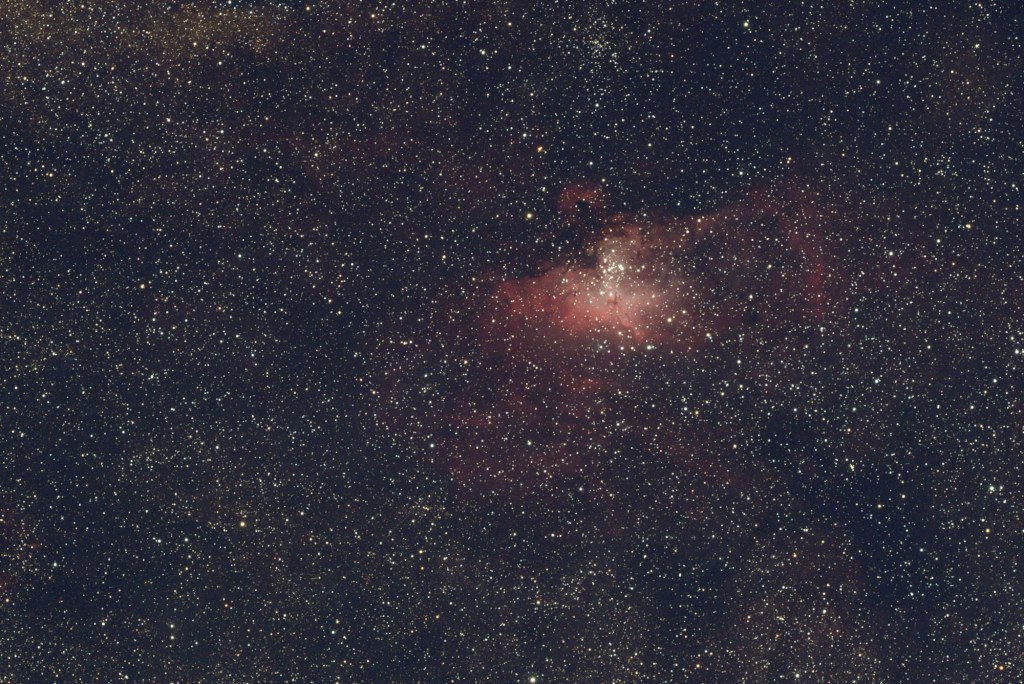
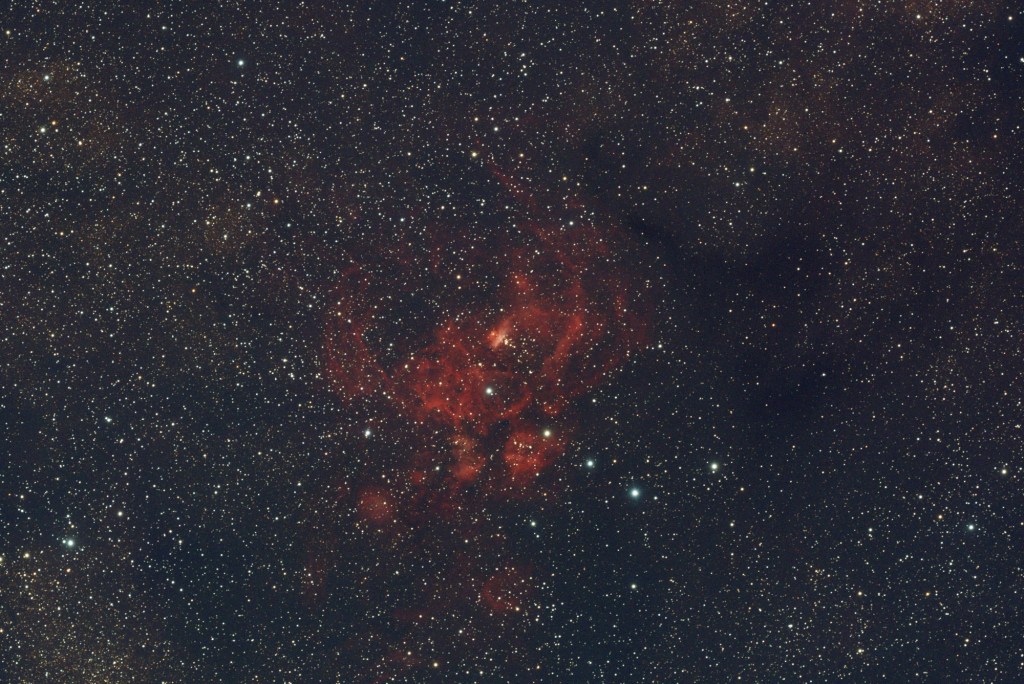
We have arrived at Coral Bay which is part of the Ningaloo Reef and national park. On the other side of this continent the Great Barrier Reef is only accessible via a boat. You can be swimming amongst Ningaloo coral straight off the beach and that is what we have been doing. Underwater photography is also beyond me.
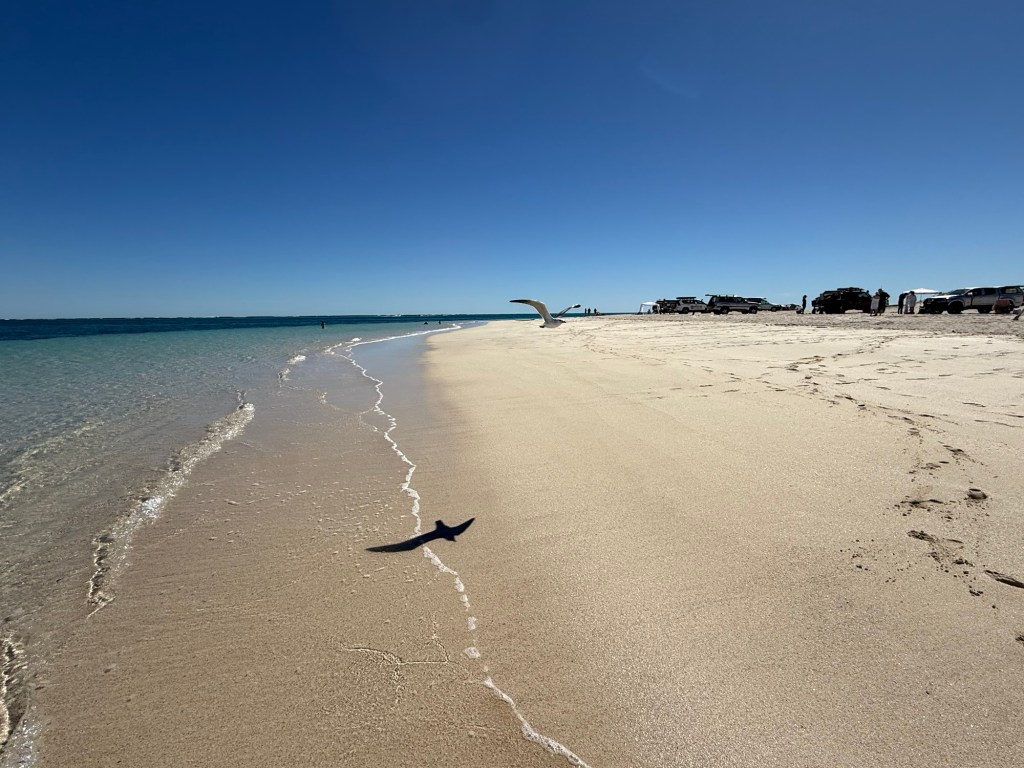
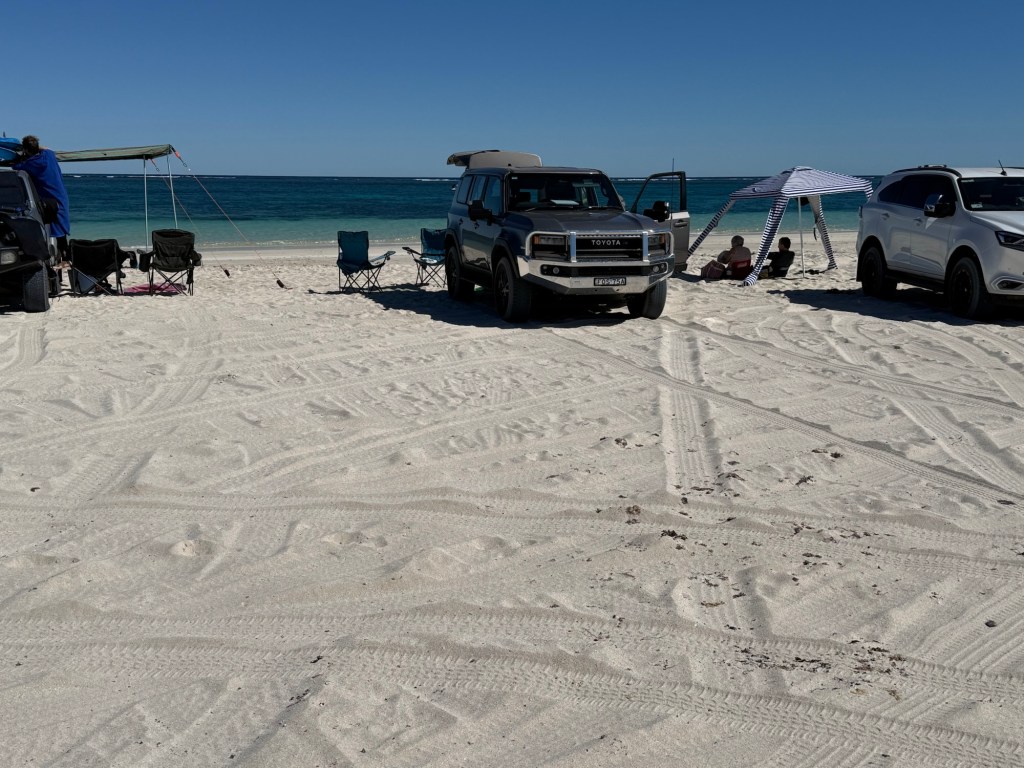
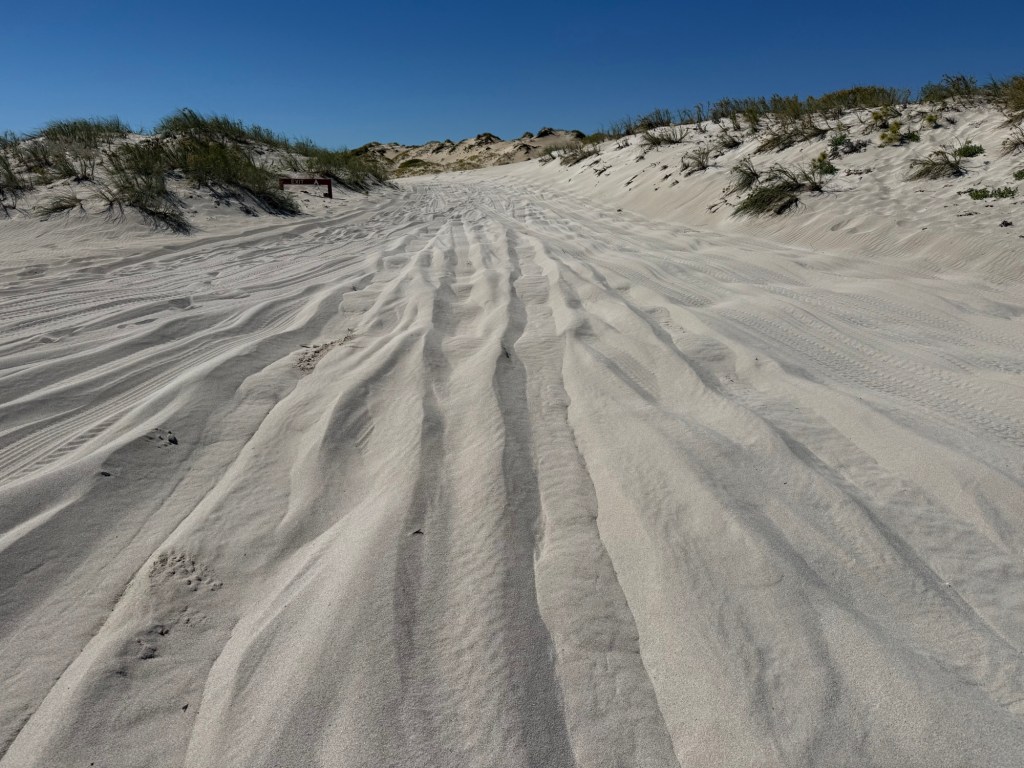
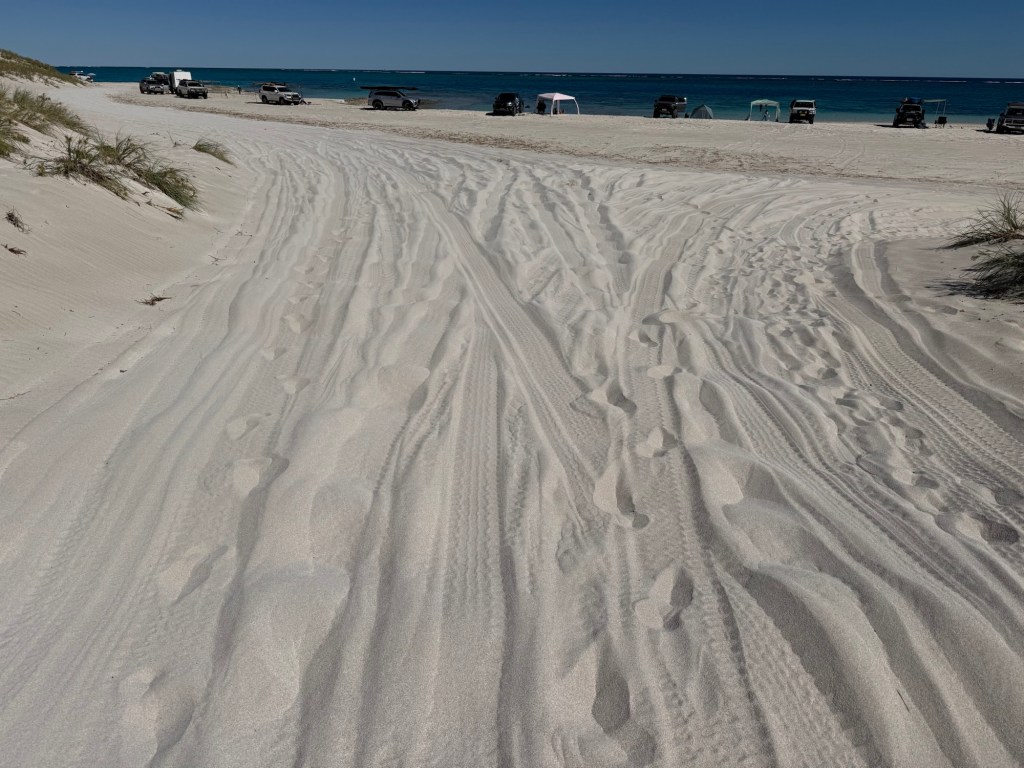
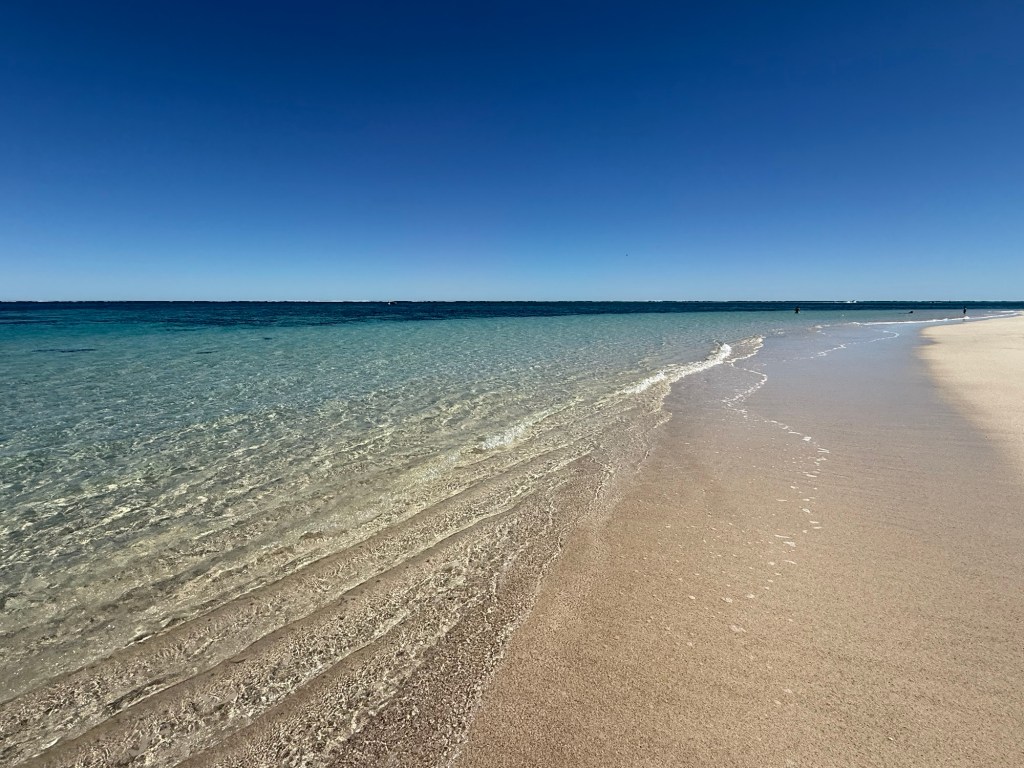
We are now headed to Exmouth and a whale shark tour. More pictures to come.
23 July 2026
We have completed the Fe cycle. The cycle includes the Banded Iron Formations (BIF), through to the mines, the processing, the railways, harbours and finally export to China to build EVs and commonly BYDs.
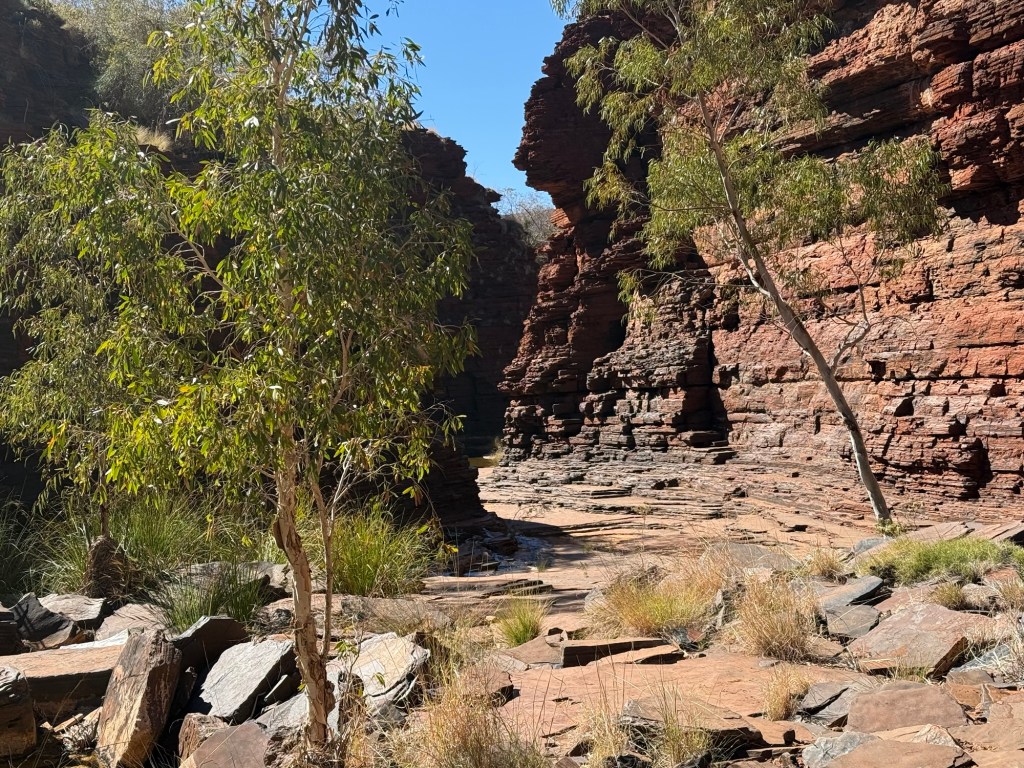
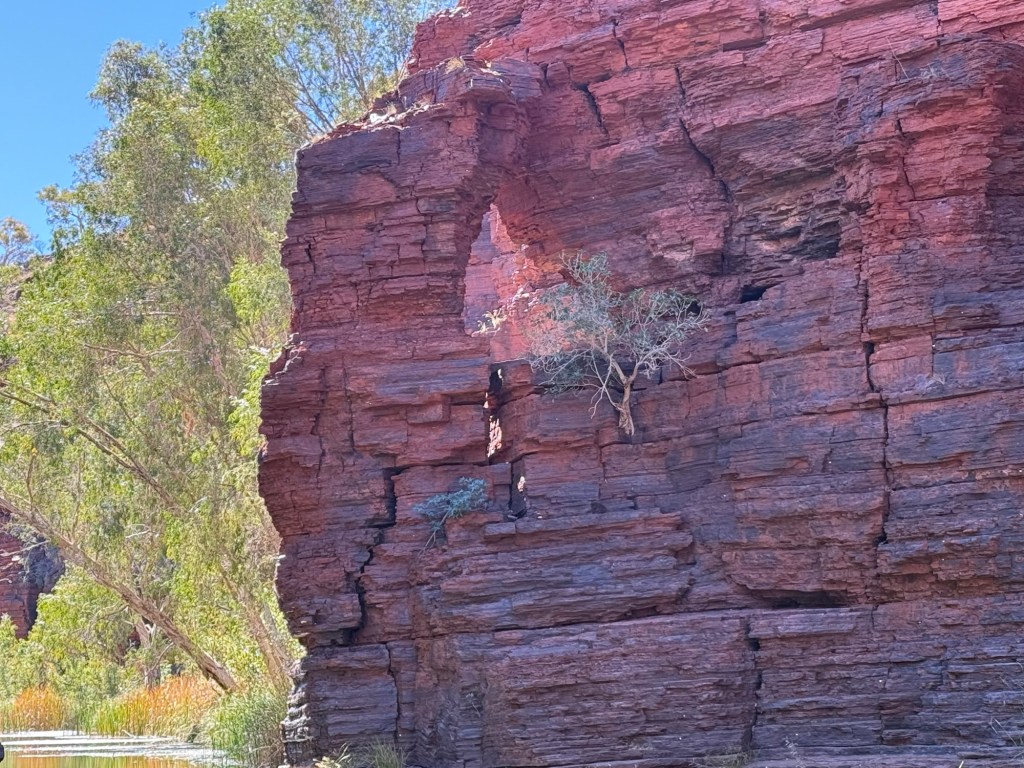
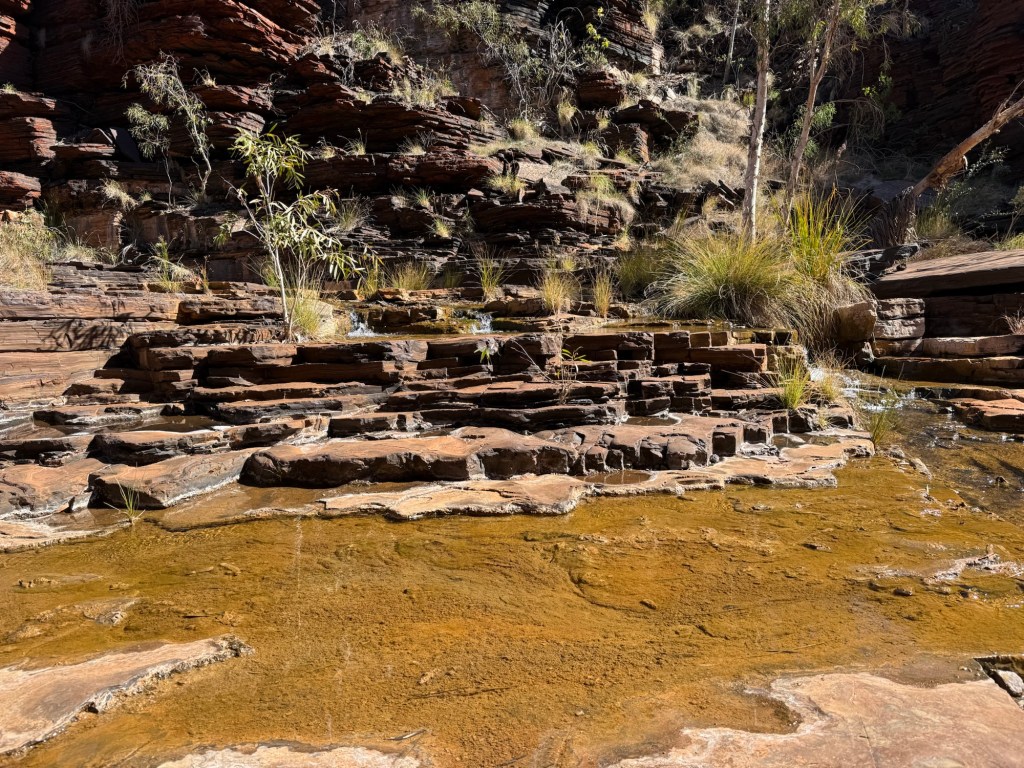
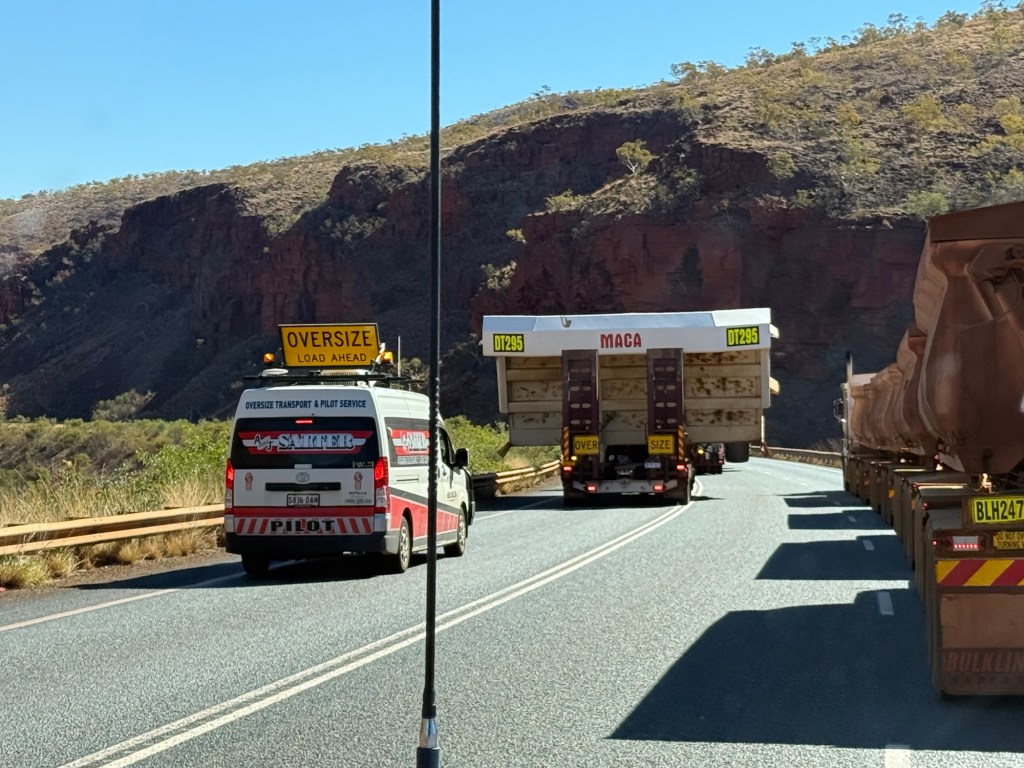
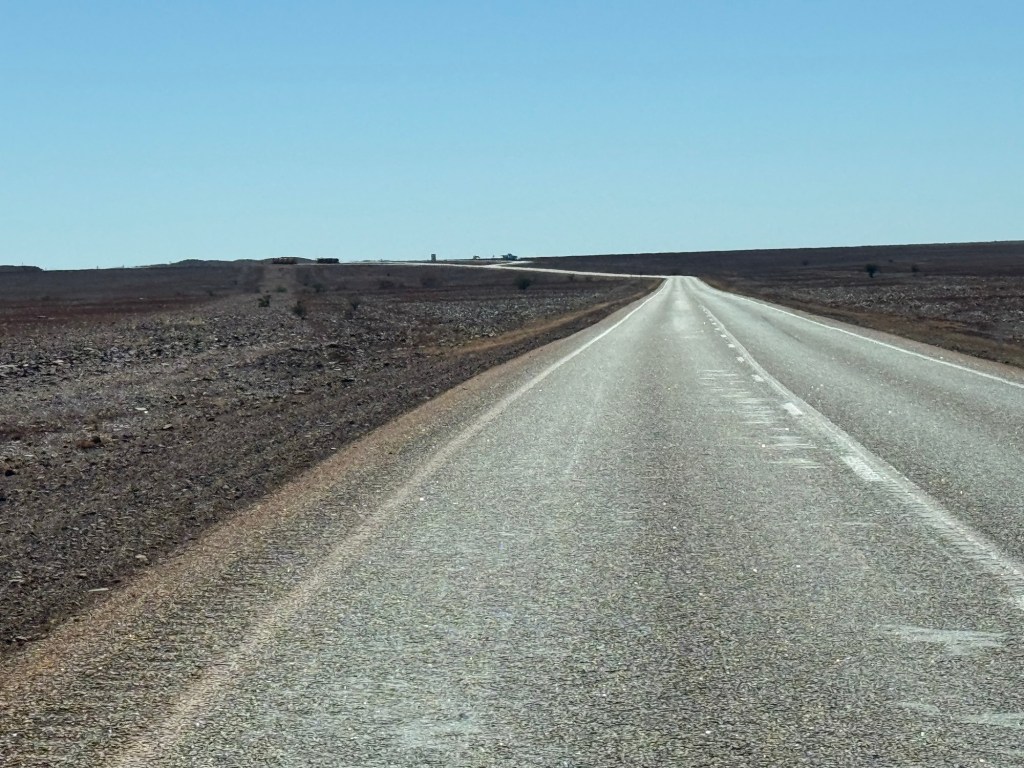
The banded iron formations were laid down about 3.5 billion years ago and the BYDs last week. The iron leaves Australia in bulk carriers and returns as completed motor vehicles in car carrier ships.
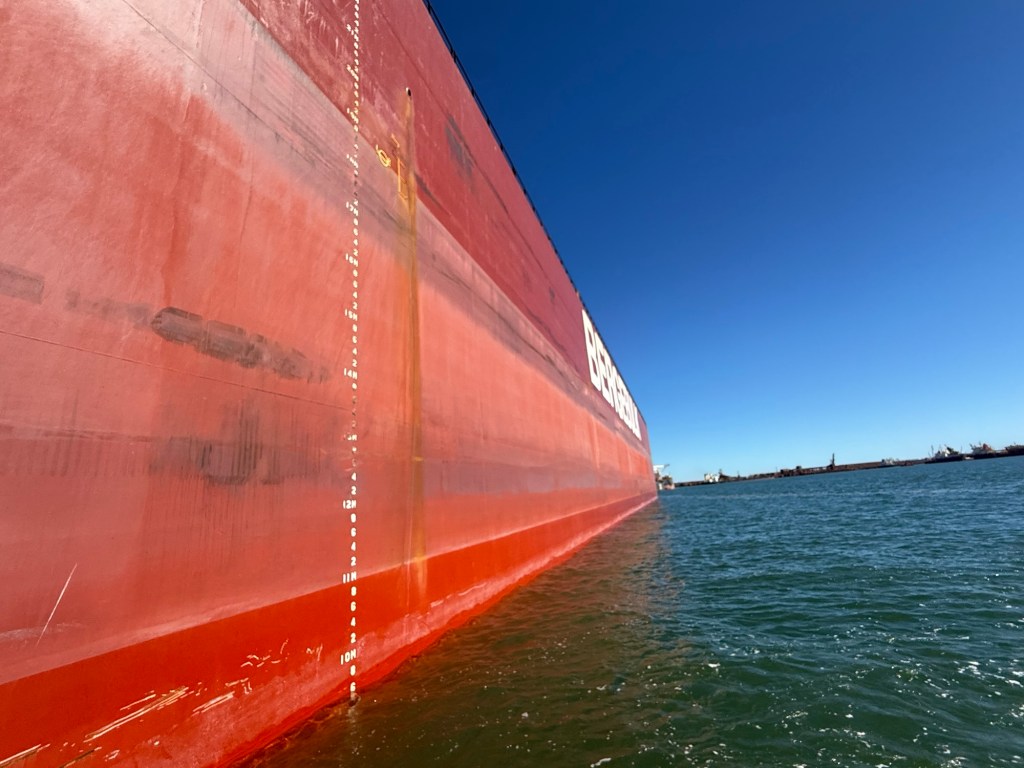
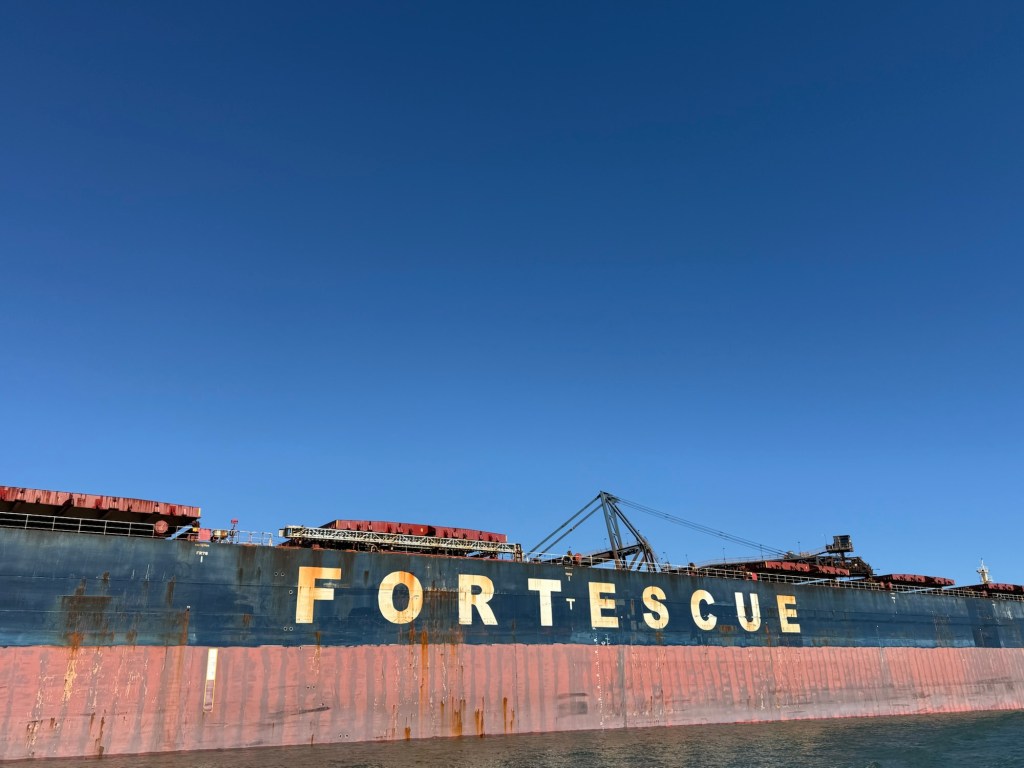
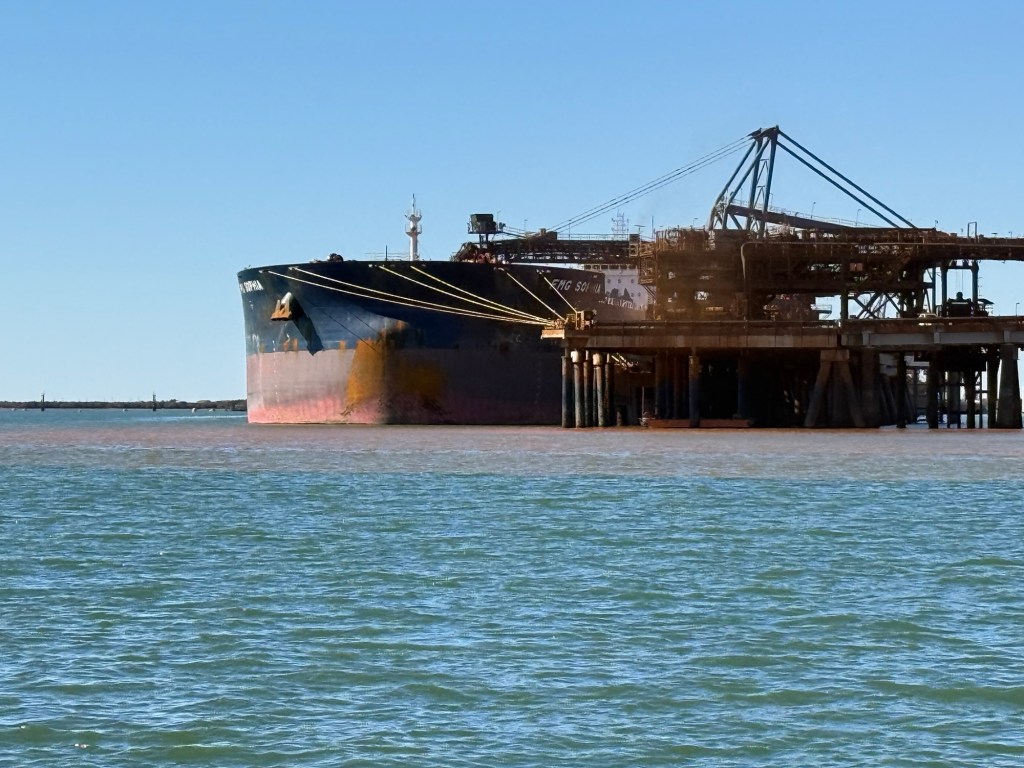
After our time in Tom Price exploring the mines and Karijini National Park to see the banded iron, we decided to see how the ore is shipped overseas and hence a trip to Port Hedland.
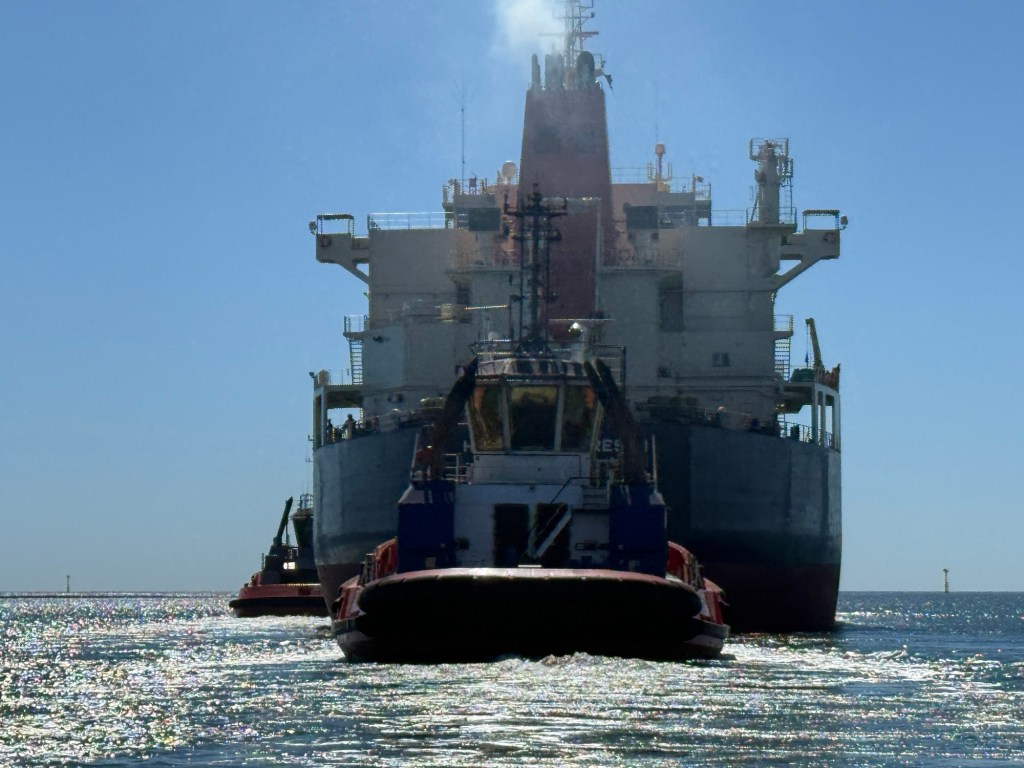
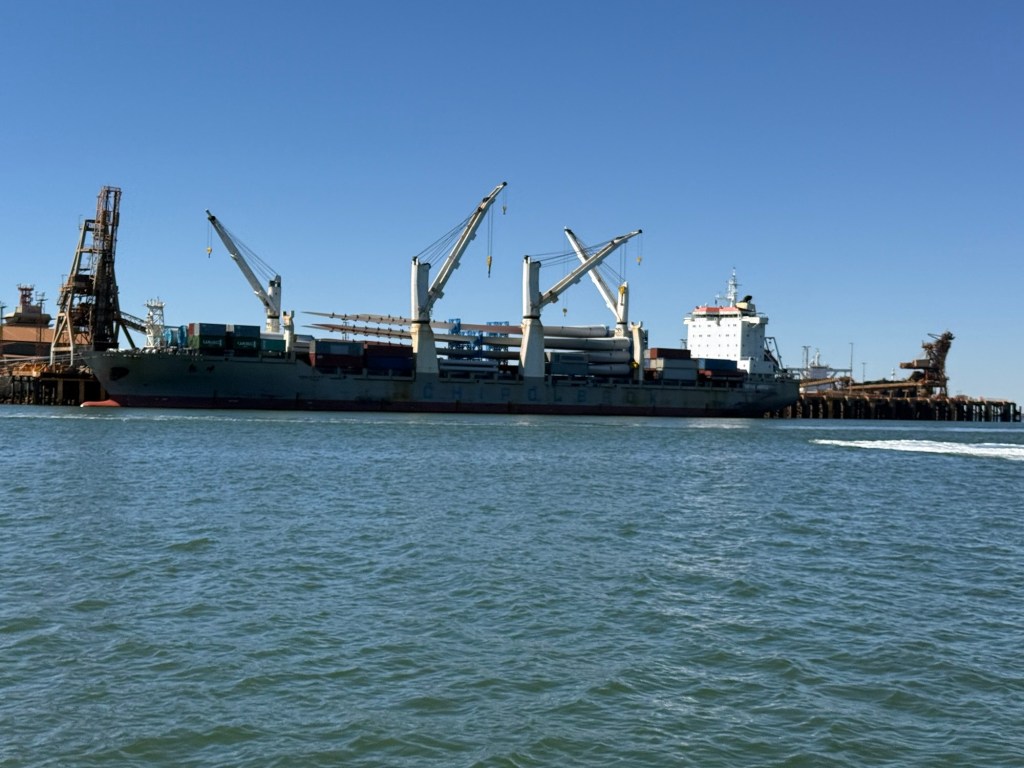
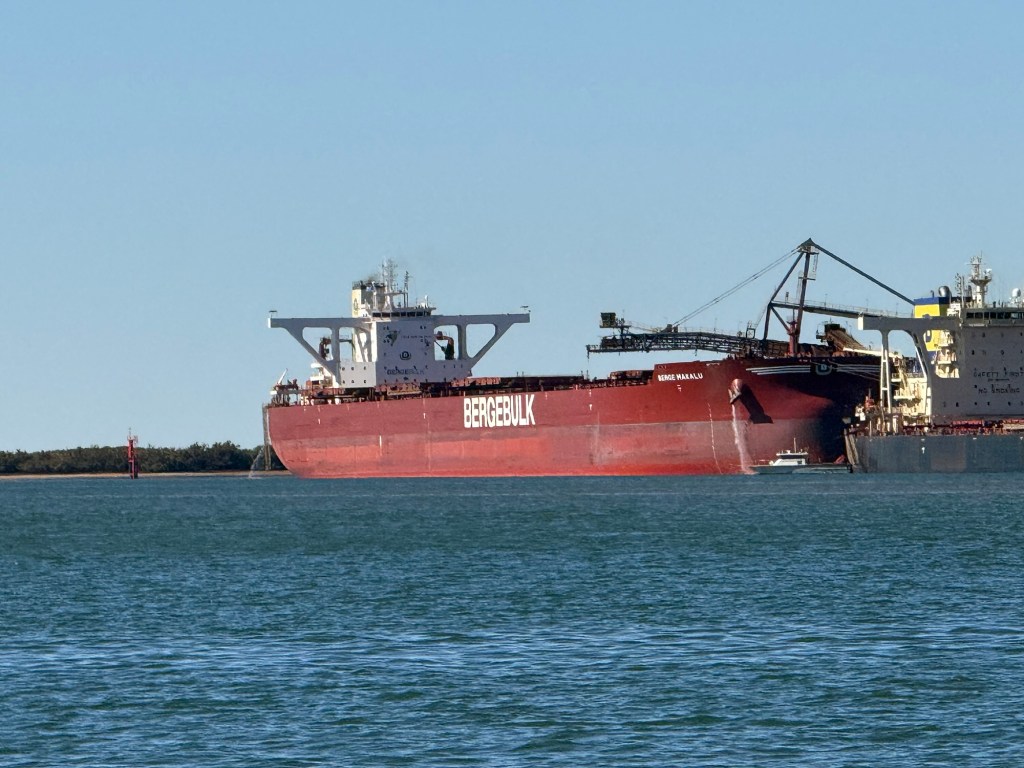
In our travels we discovered that the mining companies do not share. Naturally they have their own mines. They also own and operate their own railway lines and trains. The ore is delivered to their own wharves where it is shipped on their ships and managed out of the harbour using their own tugs. I think this is called vertical integration! As you drive across this empty country you come across an FMG railway crossing, followed by a BHP crossing and then a Hancock railway crossing.
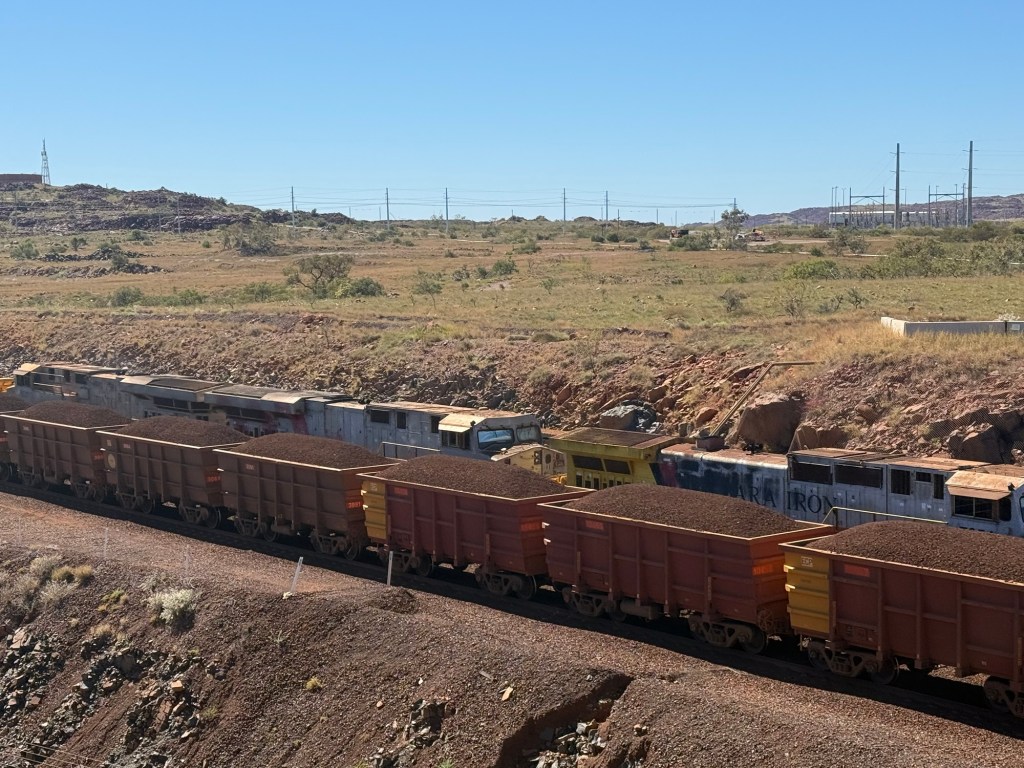
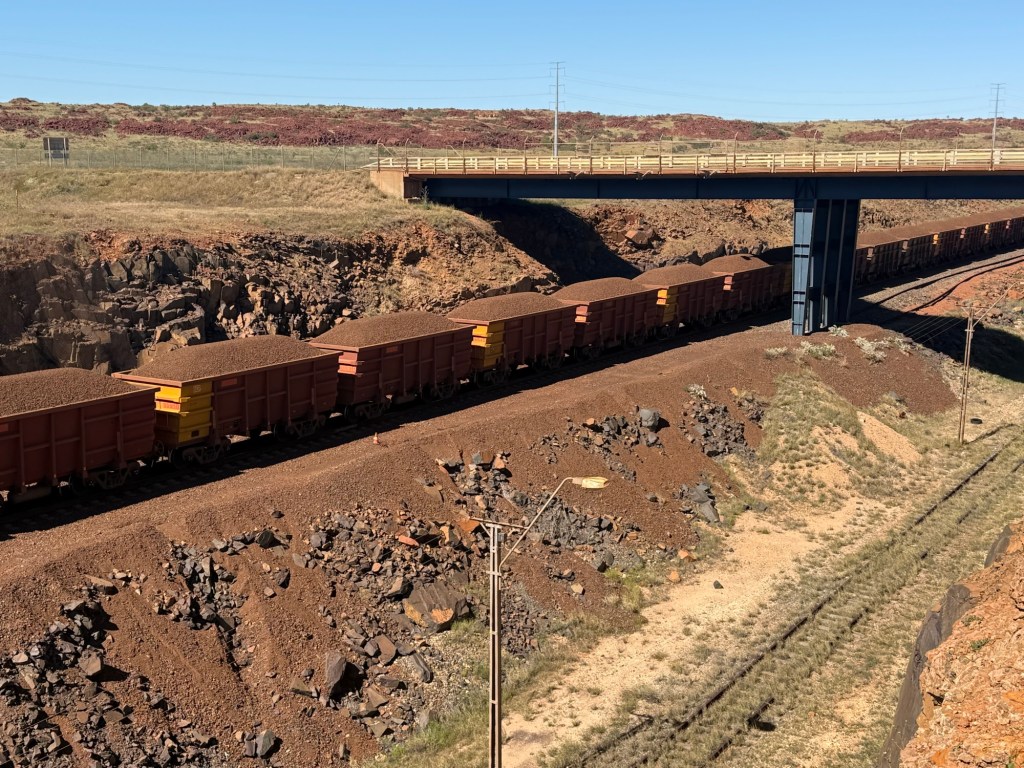
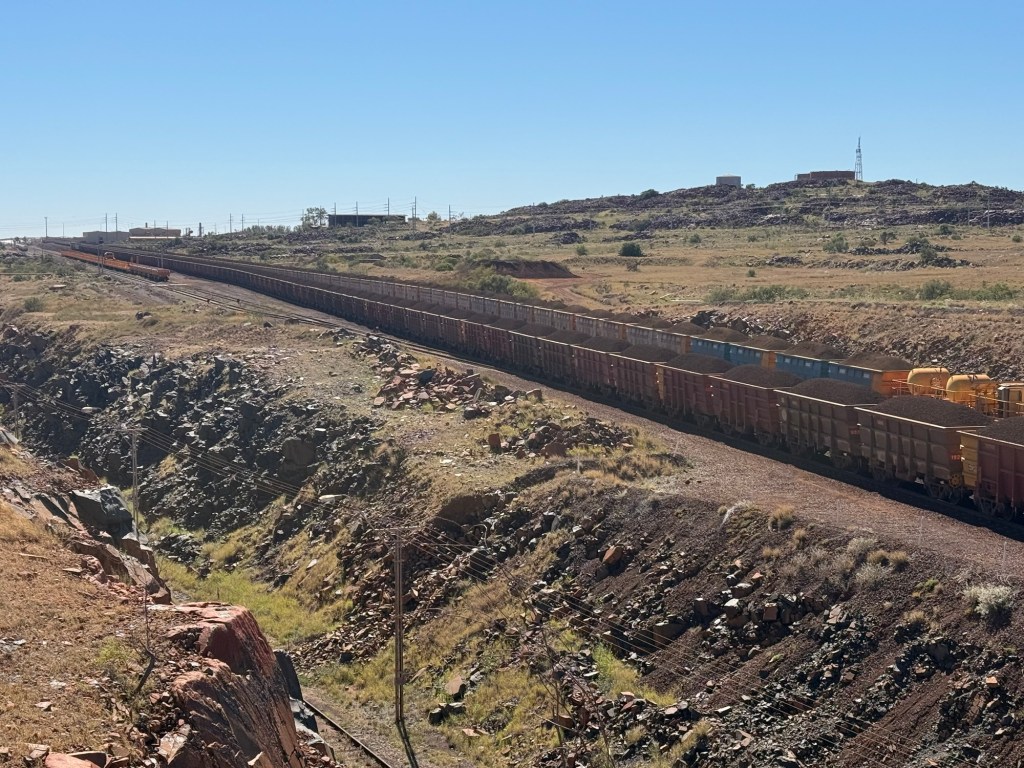
Port Hedland and Karratha operate 24 hours a day, 7 days a week. Wherever you are there is a quiet hum of railways operating in the background. Karratha is also home to the LNG export hub and Dampier exports iron ore and salt. Port Hedland is the biggest iron exporting port in the world. It’s big.
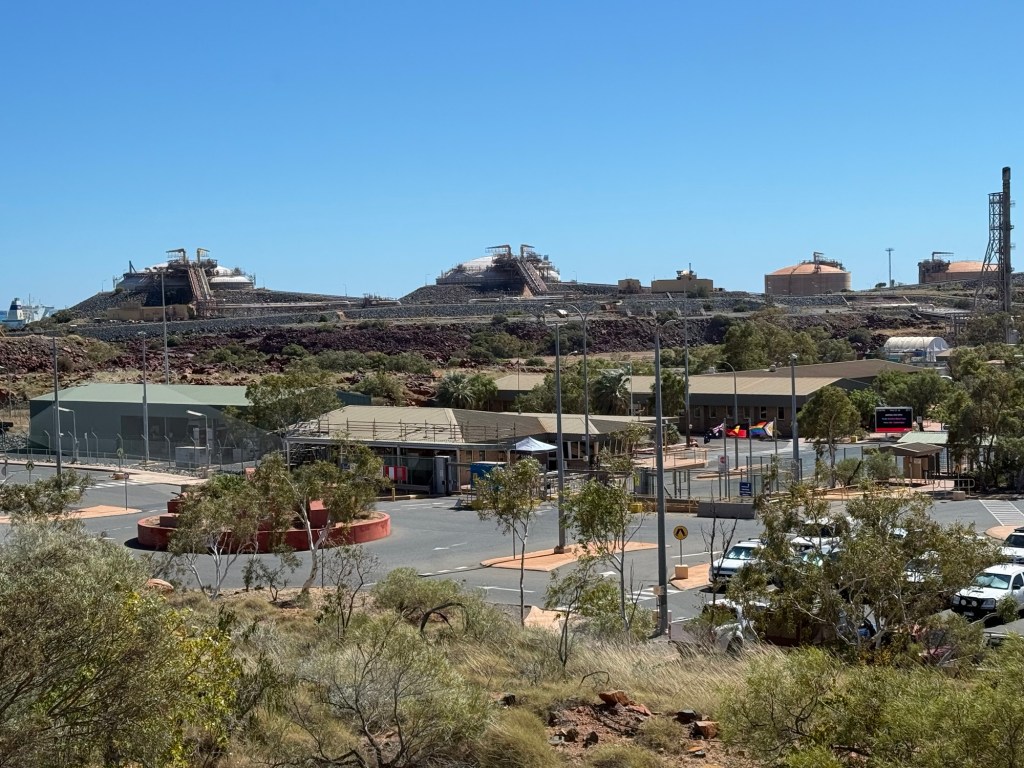
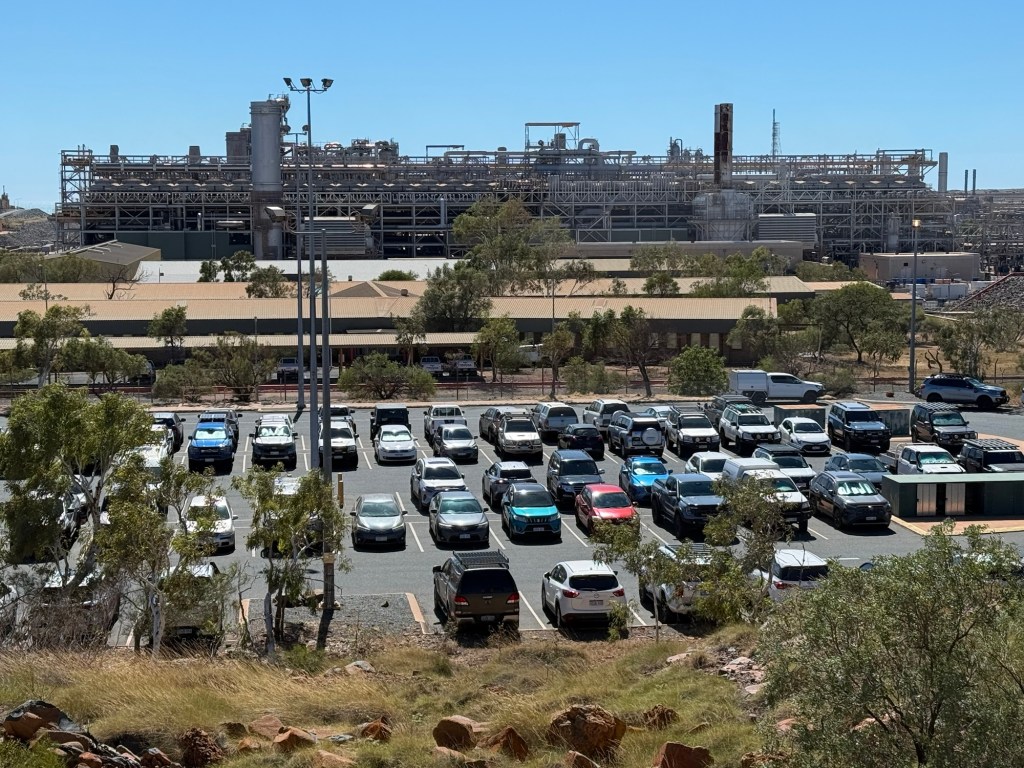
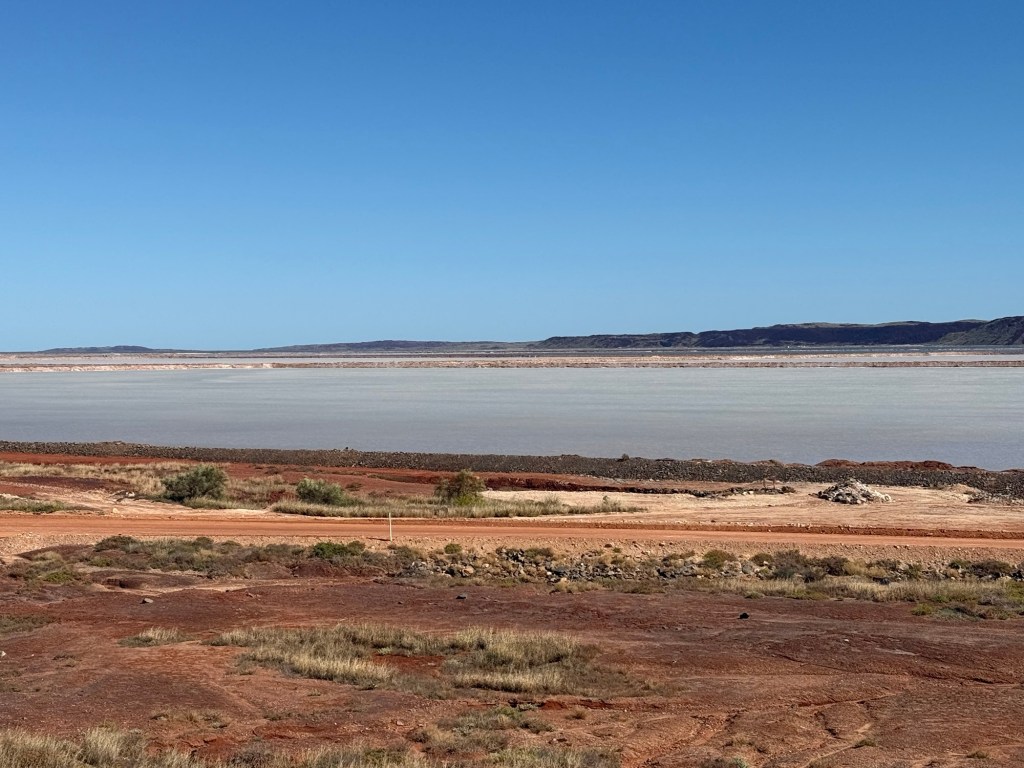
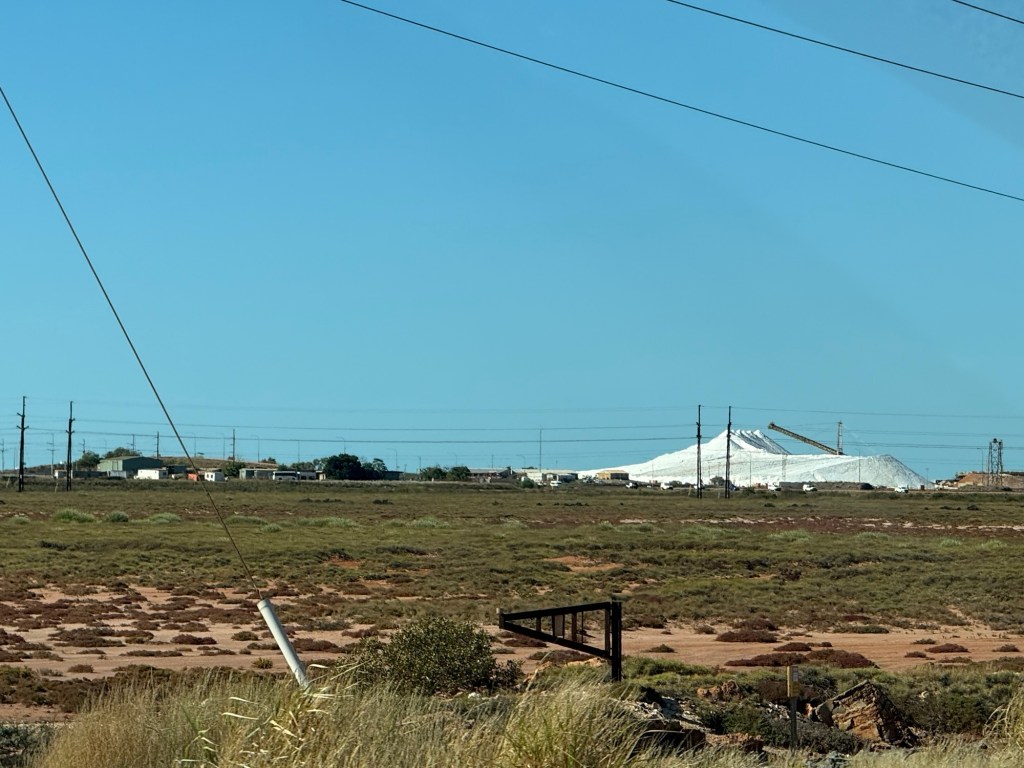
Right next door to the LNG plants are indigenous petroglyphs that are estimated to be about 47,000 years old. A curious juxtaposition of the ancient and the modern. Lots of extremes up here.
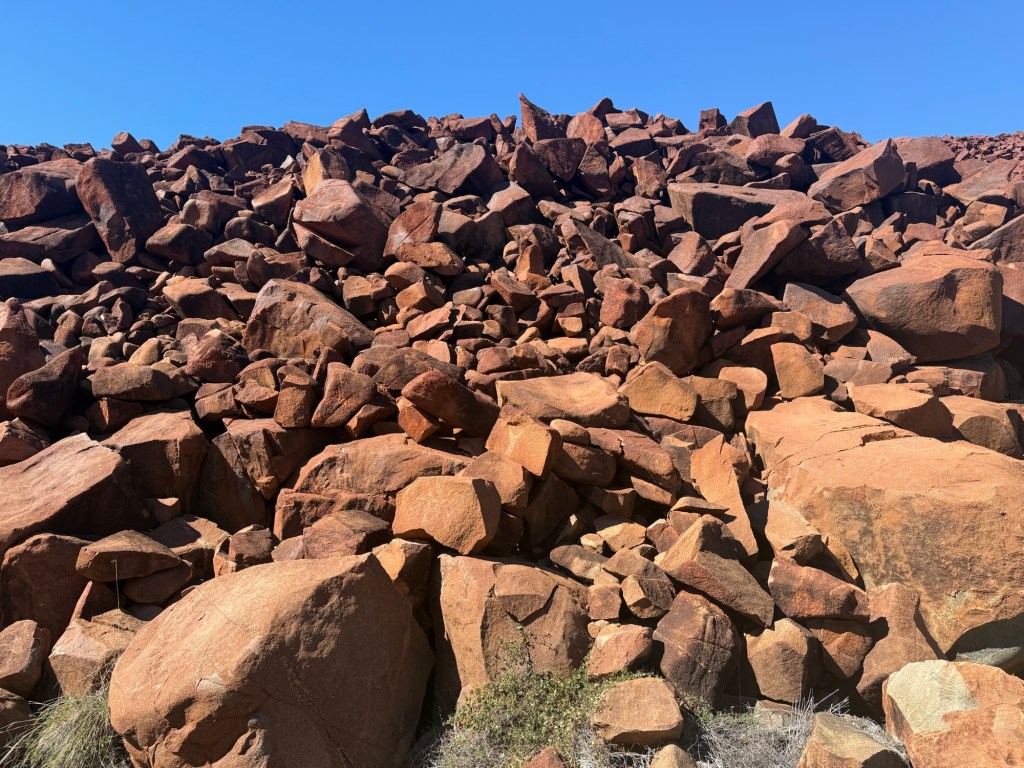
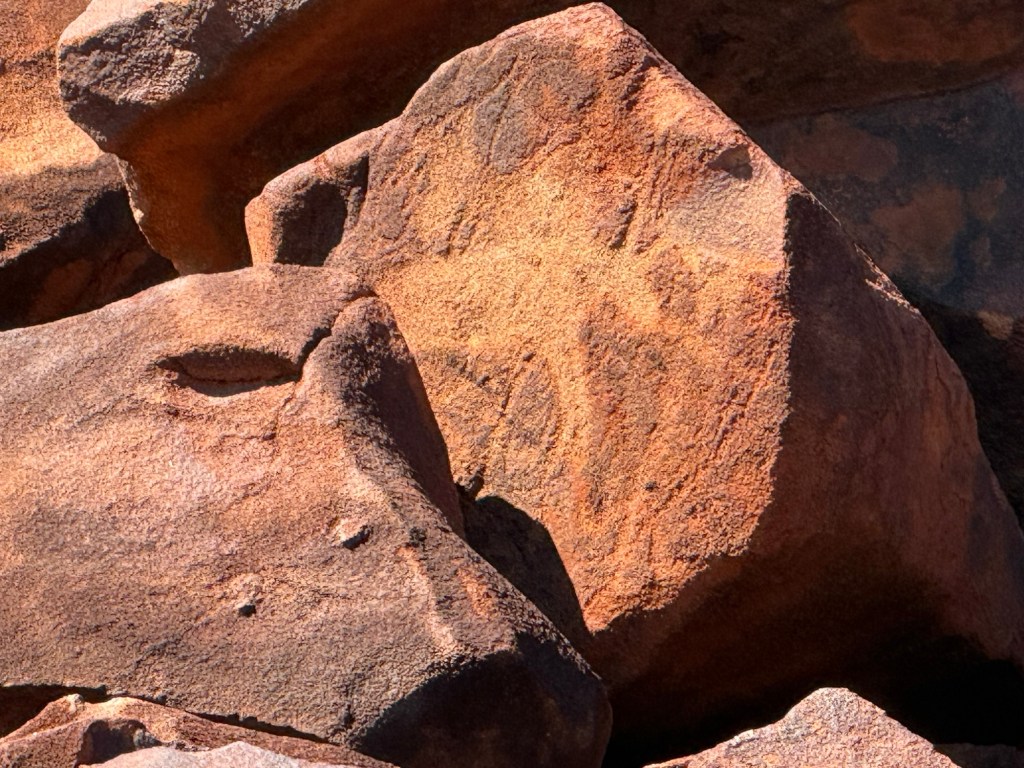
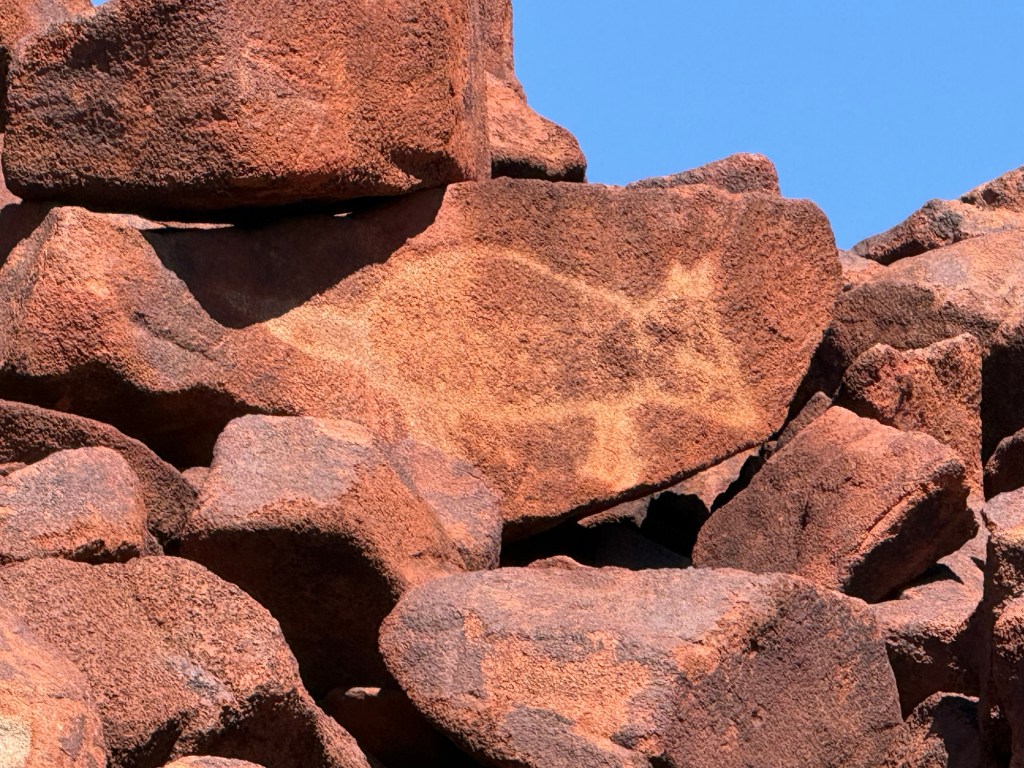
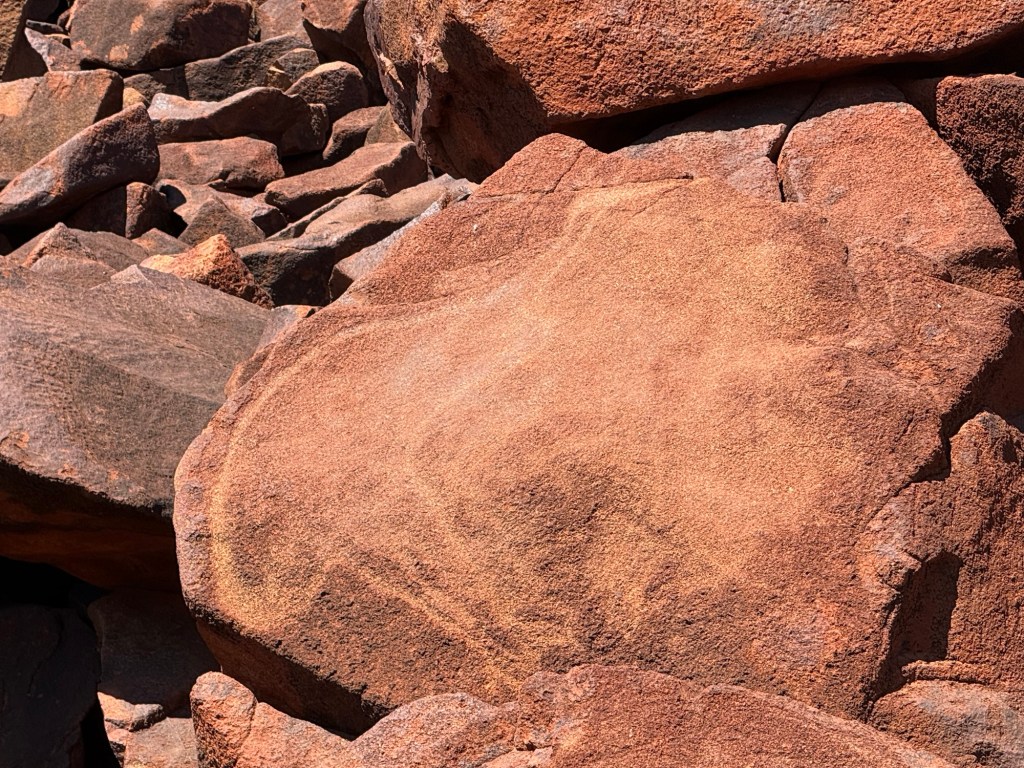
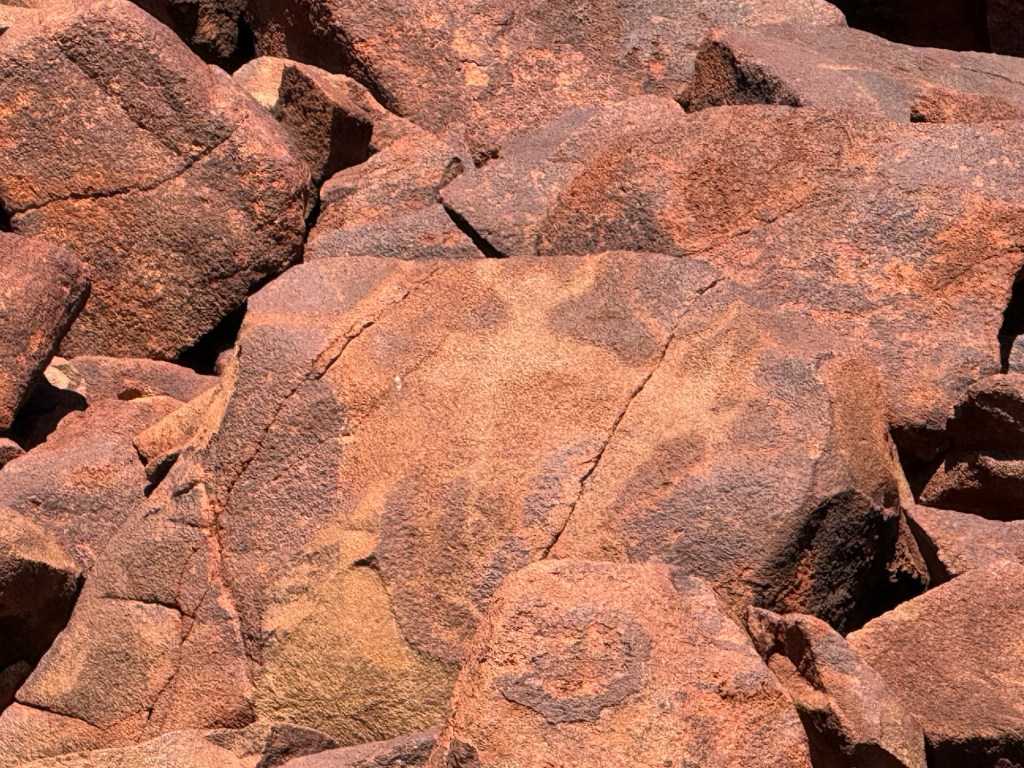
As you stare into a huge pile of rocks you are caught up in a ‘Where’s Wally’ scenario. Up there in amongst these rocks are hundreds of petroglyphs, you just have to find them.
The Karratha locals tell me there is a Bunnings hardware store under construction. In medieval times a cathedral defined a city, now it’s a Bunnings. It seems this part of WA is developing as a major centre. Our last Bunnings town was 6 weeks ago and I have a list of stuff I need. I fear I must wait until I return home.
We continue on our southerly path and more coastal adventures ahead.
18 July 2026
We are in iron ore country. There are mines everywhere and everything has a red hue, the trucks, the buildings, the cars, the landscape and the people.
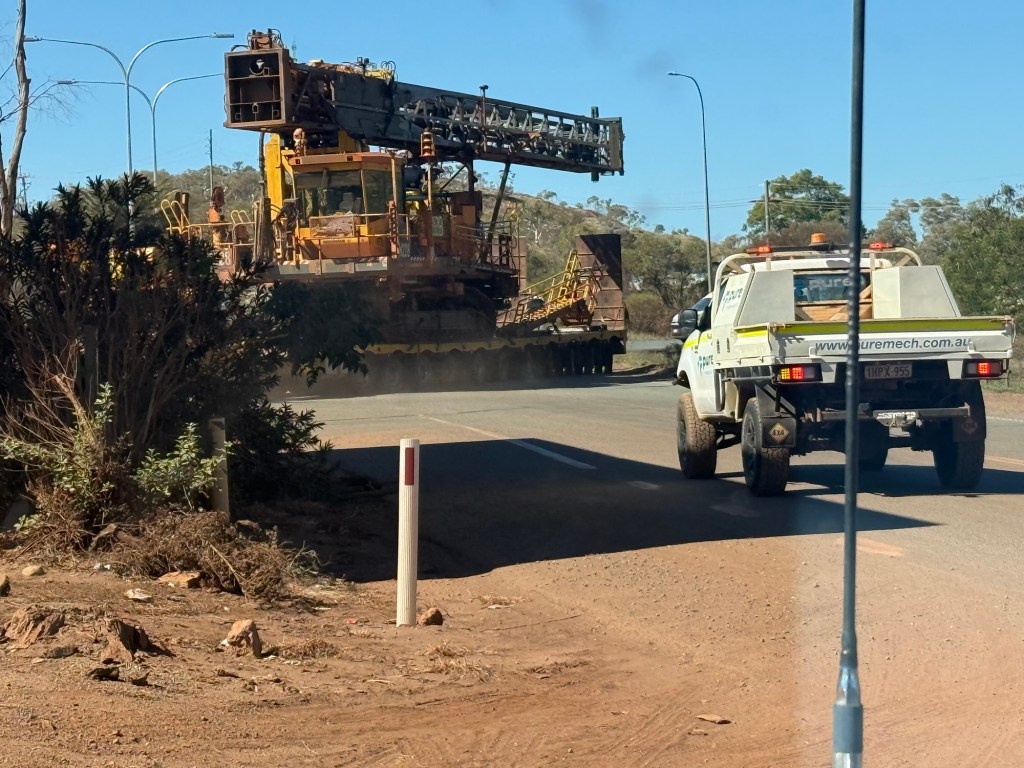
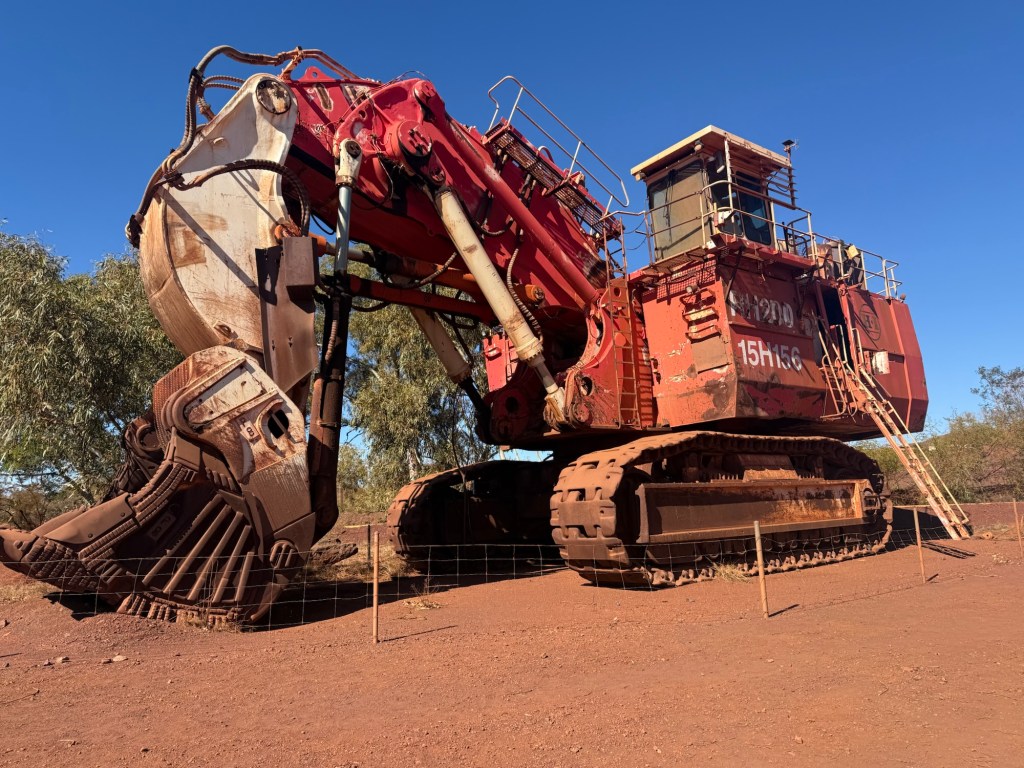
I am assured this red dust will remain in and on our vehicle forever. It’s just something that regardless of your efforts it will always be with you.
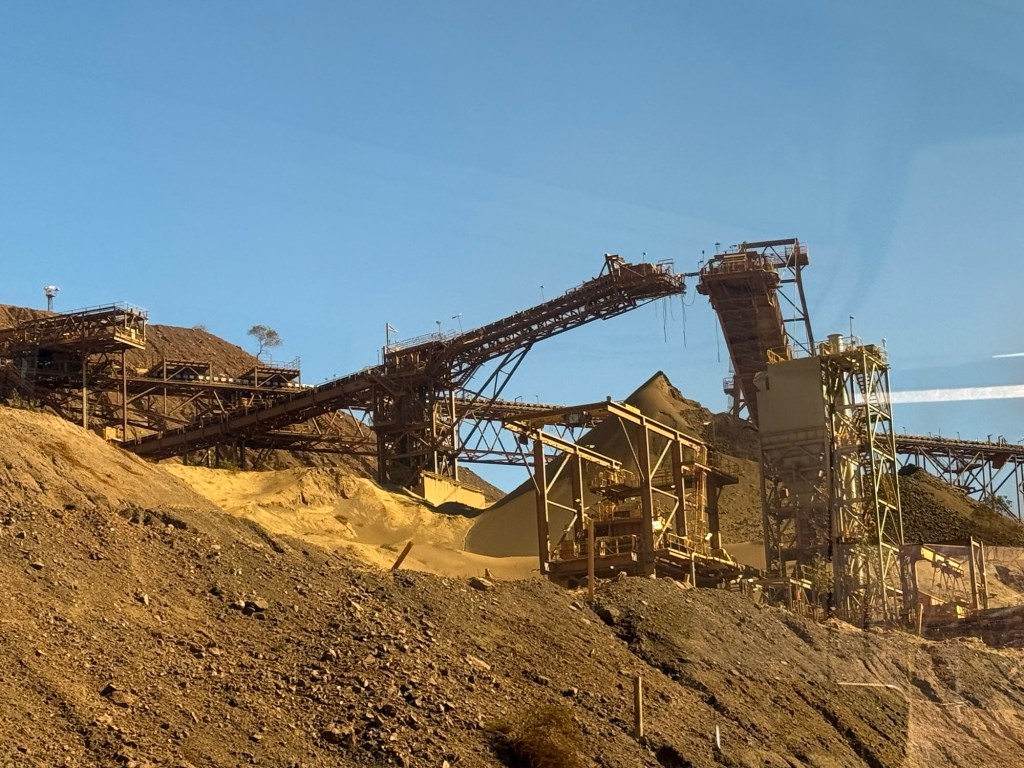
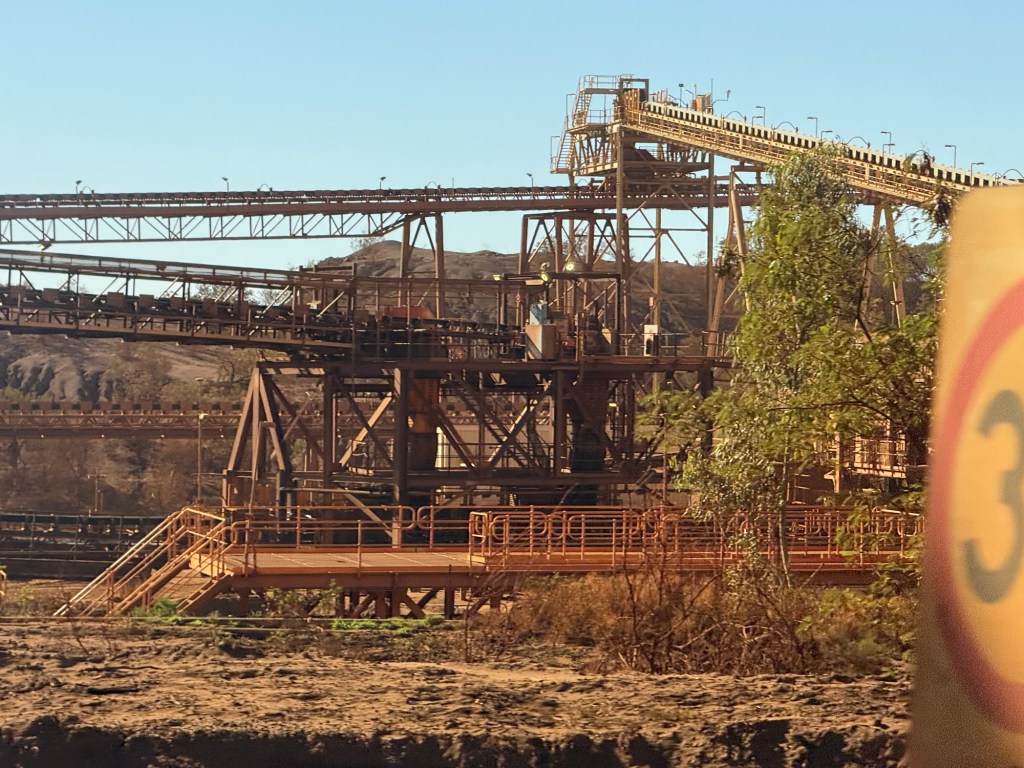
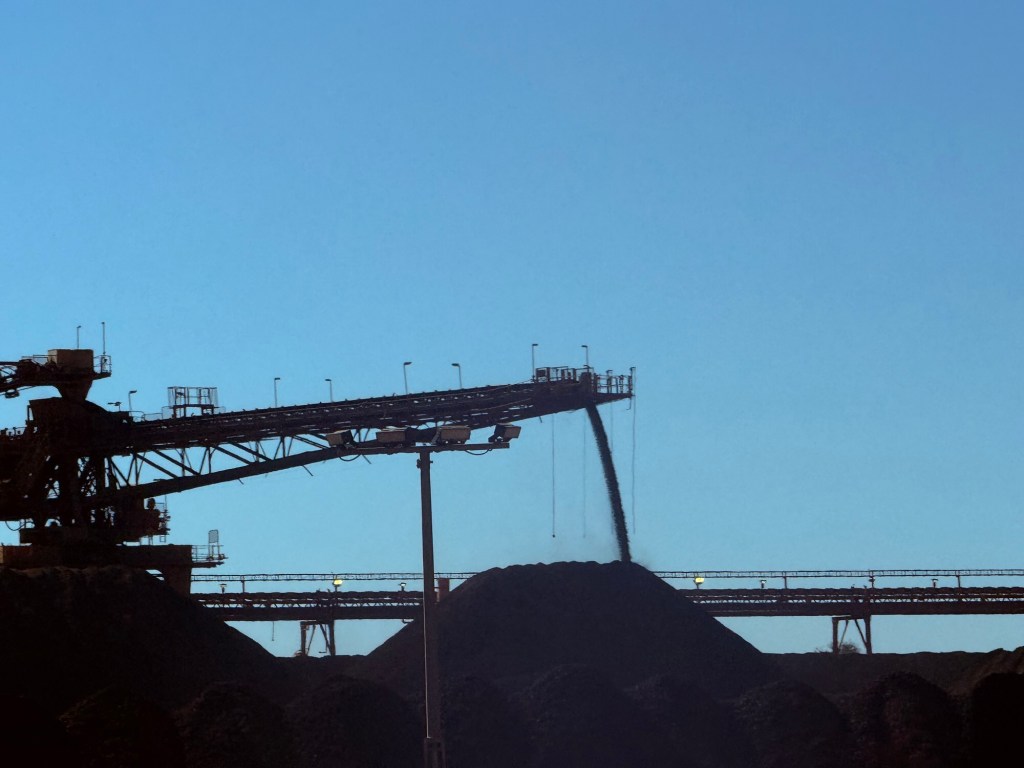
This is the source of Australia’s wealth. Iron ore trains 2.3 km long with 240 wagons each are running around the clock from the mines to the ports. And these trains have no driver, they are remotely controlled from Perth some 1500kms away.
Each wagon holds about 200t and there are 240 wagons per train. There are 8 trains per day. The ore sells for about $100/tonne. And this is from just one mine. You do the maths.
These estimates are for the three big miners but there are lots of smaller independents who rely on quads ie 4 trailer road trains to move their ore. In one day we must have passed a hundred trucks.
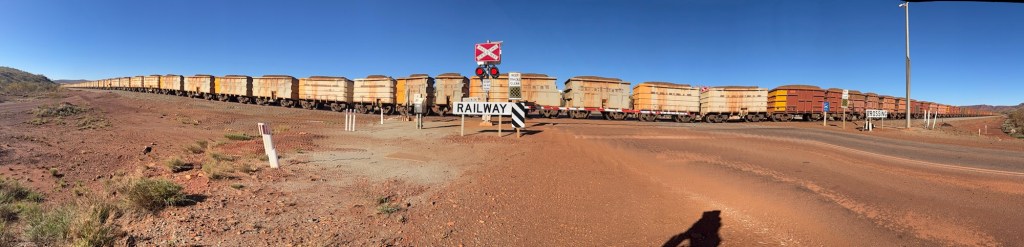
Up here everything is big, the trucks, the mines, the trains, the salaries, the value of each train load, daily fuel usage and on it goes. It’s all big.
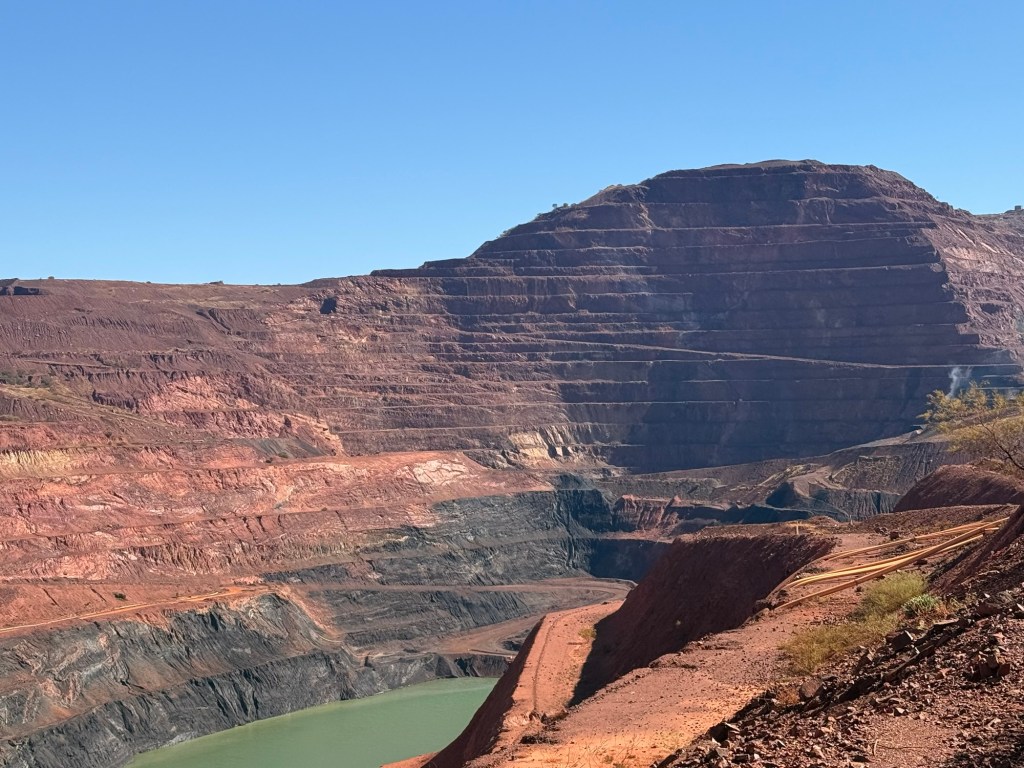
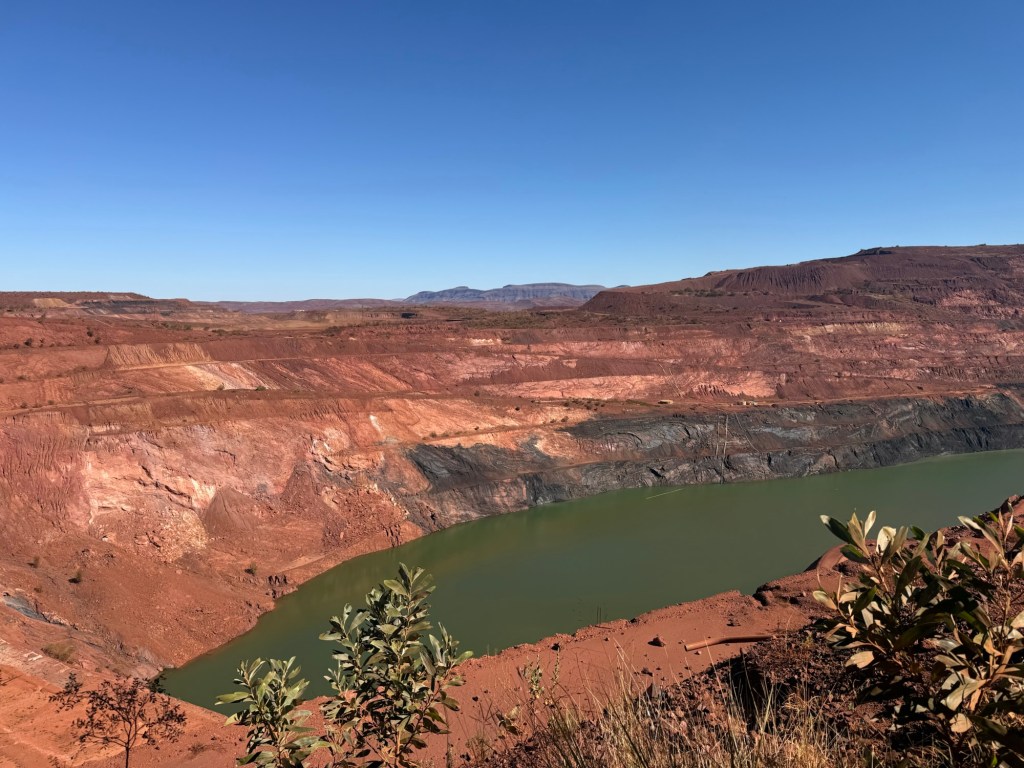
Karijini is the local national park. It’s a good thing that this is a protected landscape otherwise it too would be an open pit. Who knows what mineral treasures are contained within the national park.
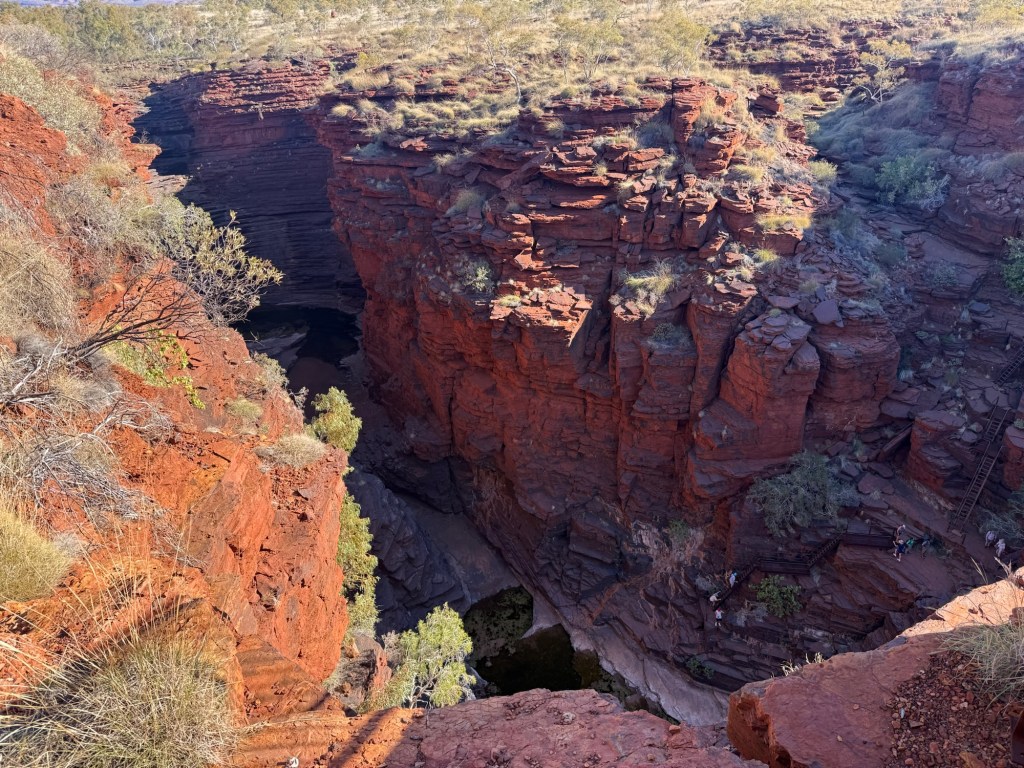
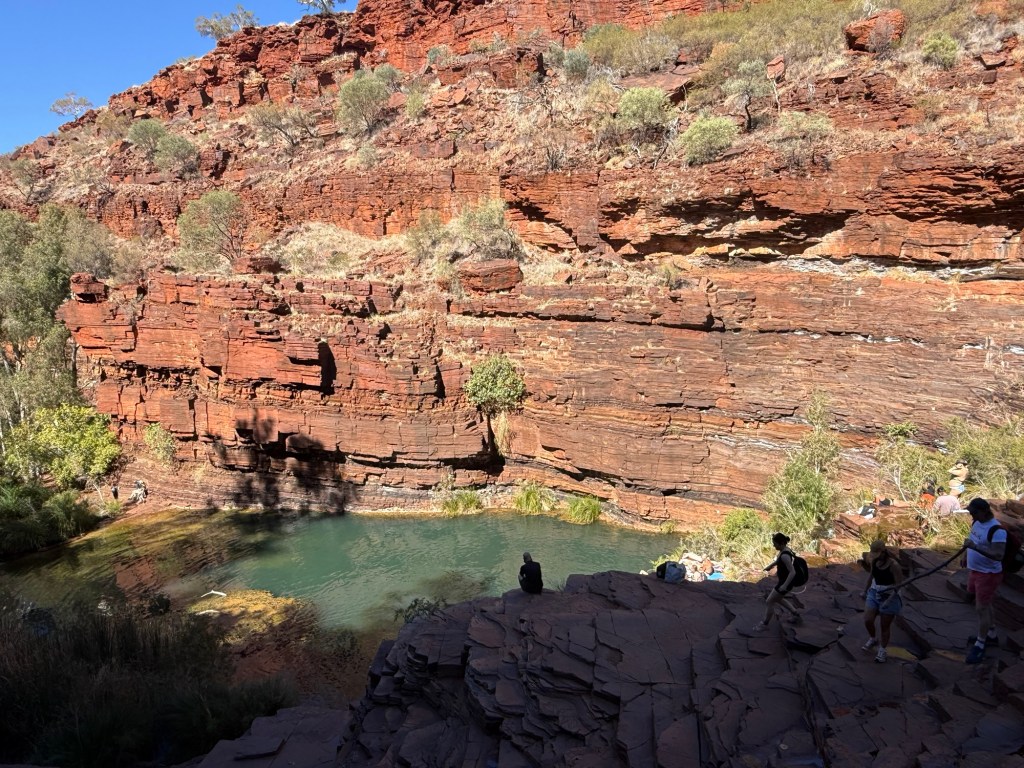
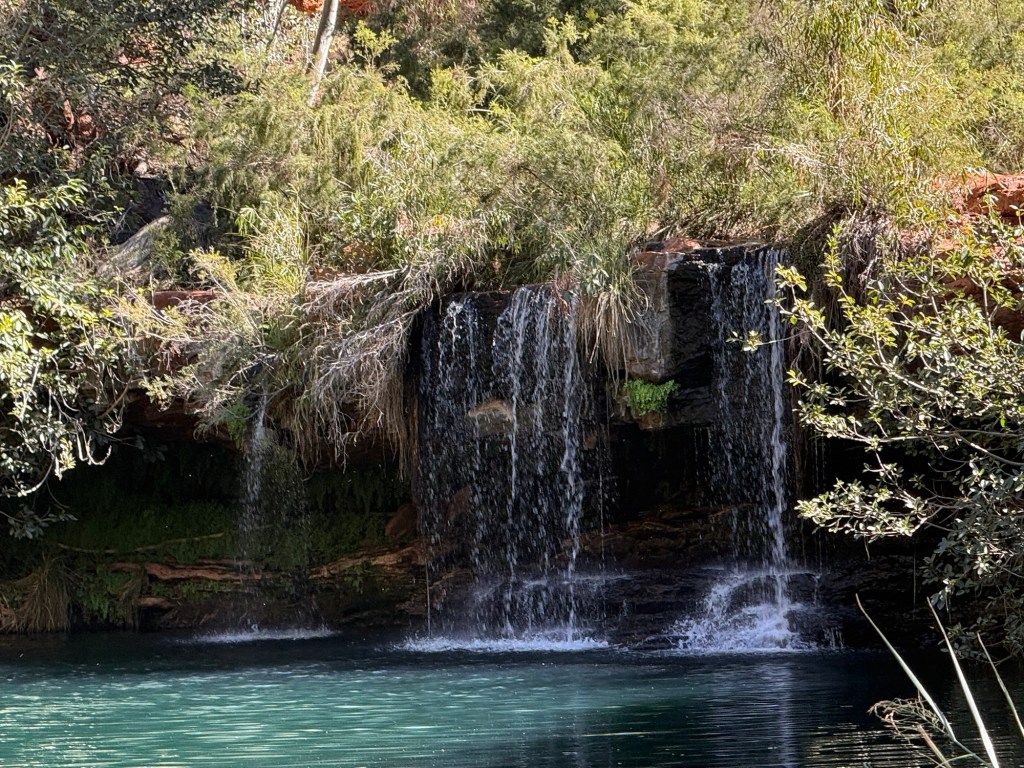
Karijini was until recently only accessible via some rough gravel roads. The roads are now all sealed and the campsites all booked out.
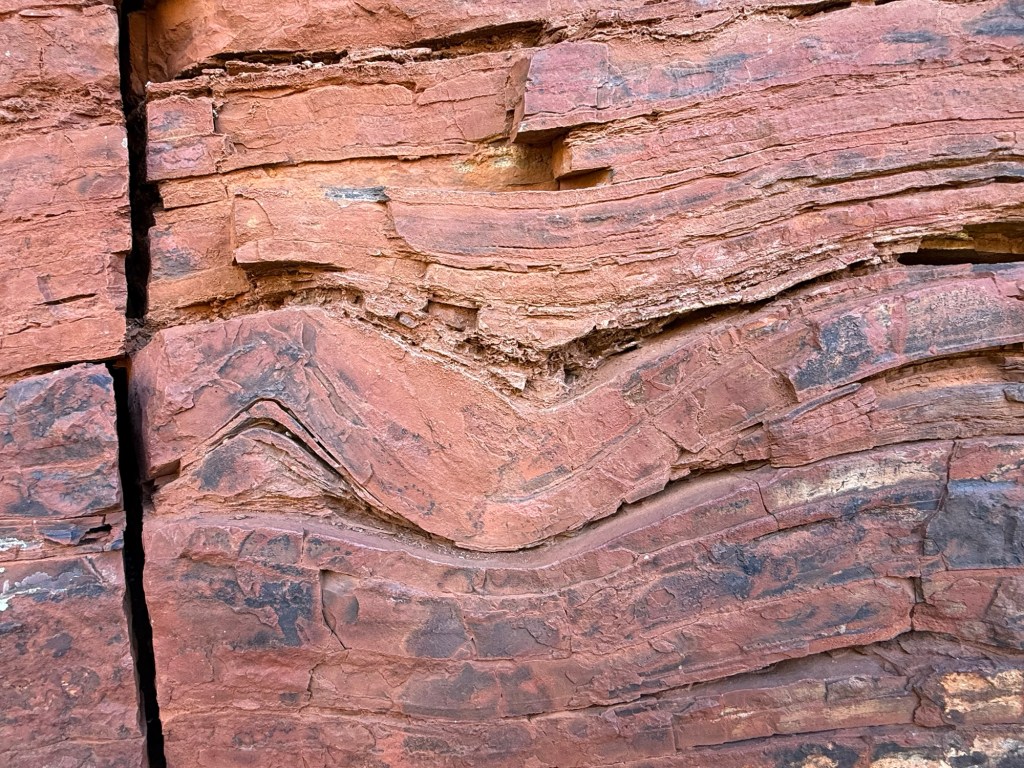
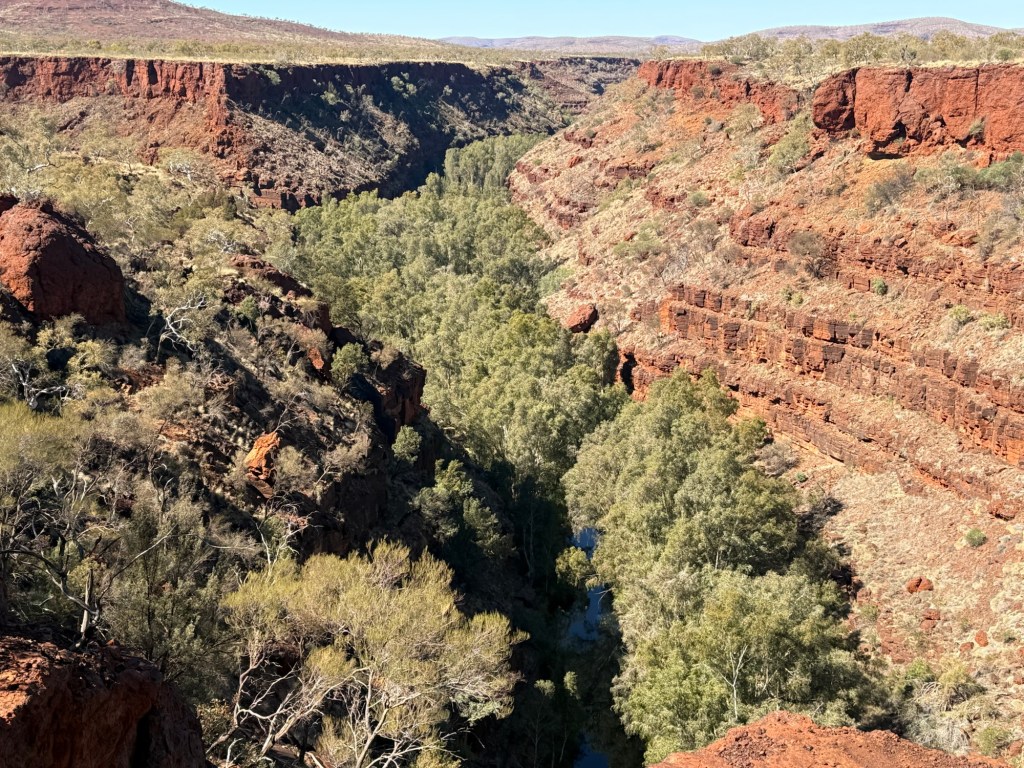
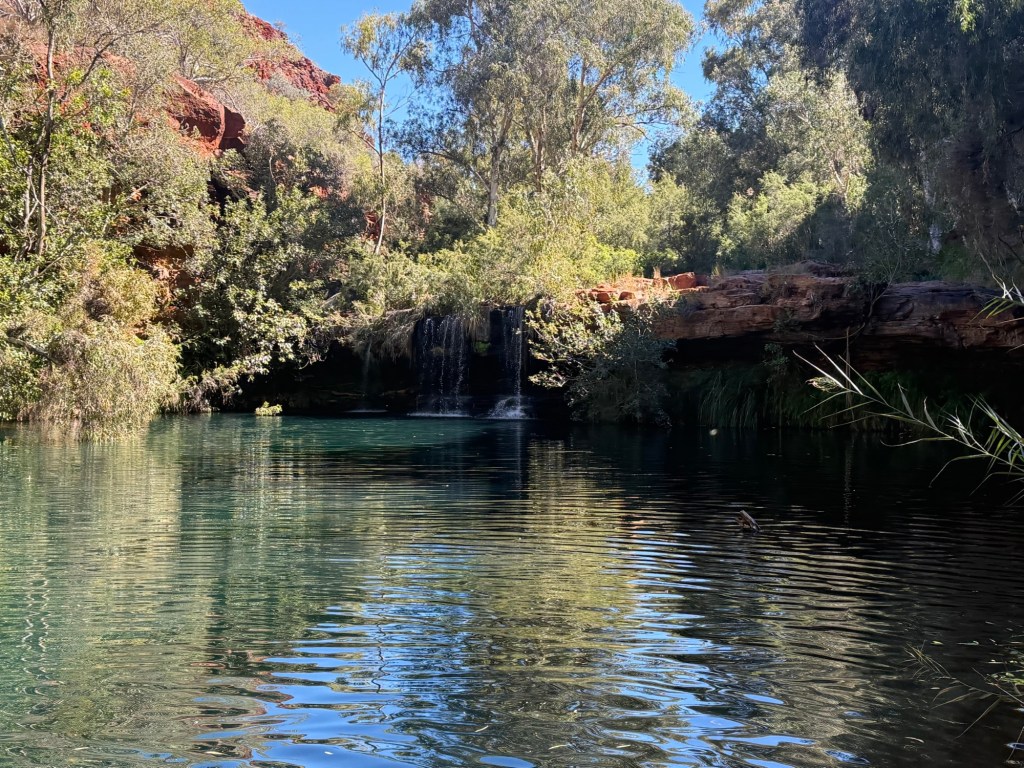
After more of Karijini we head back to the coast.
17 July 2026
From Broome we drove to 80 Mile Beach and whilst I didn’t measure it I did enjoy a long bike ride on the firm sand at low tide.
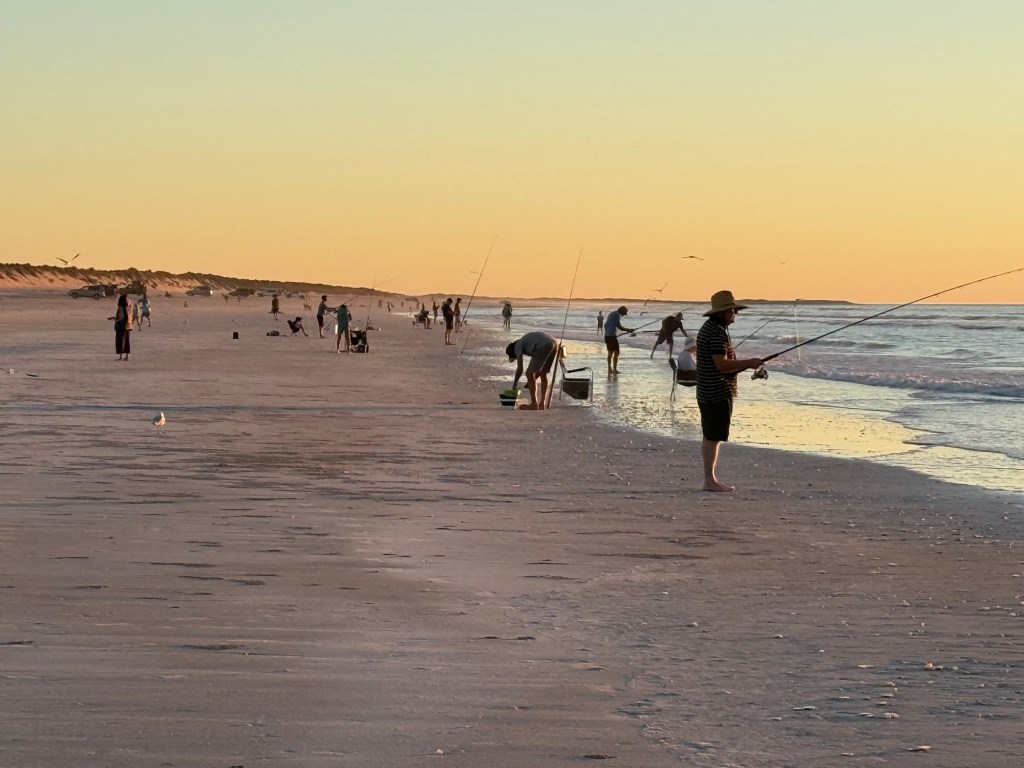
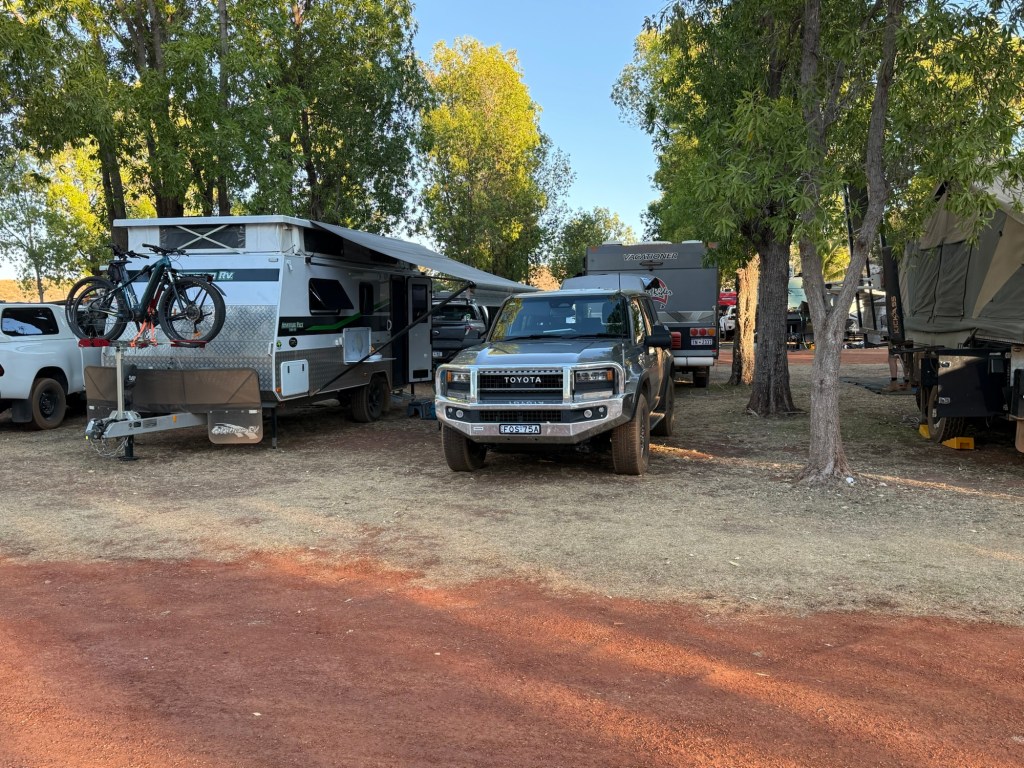
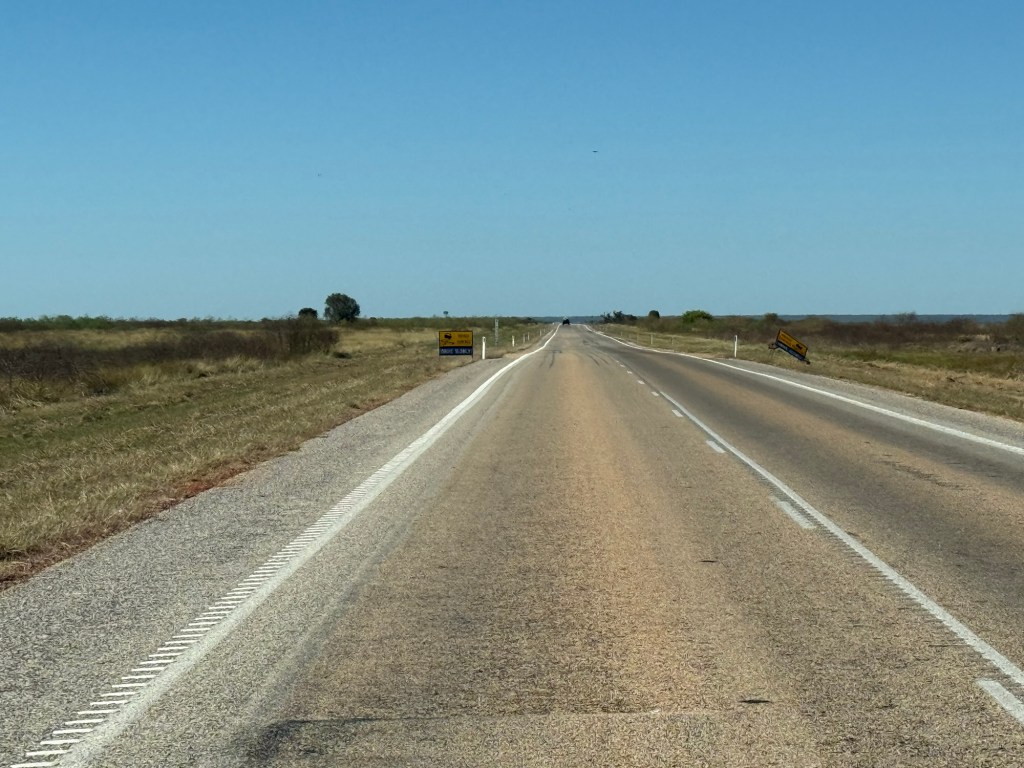
I have gone on about emptiness before and so it continues. The drive from Broome to 80 Mile Beach is about 382 kms and there is just one roadhouse over that whole distance. Even worse, and this might be hard to accept, they only offer instant coffee!

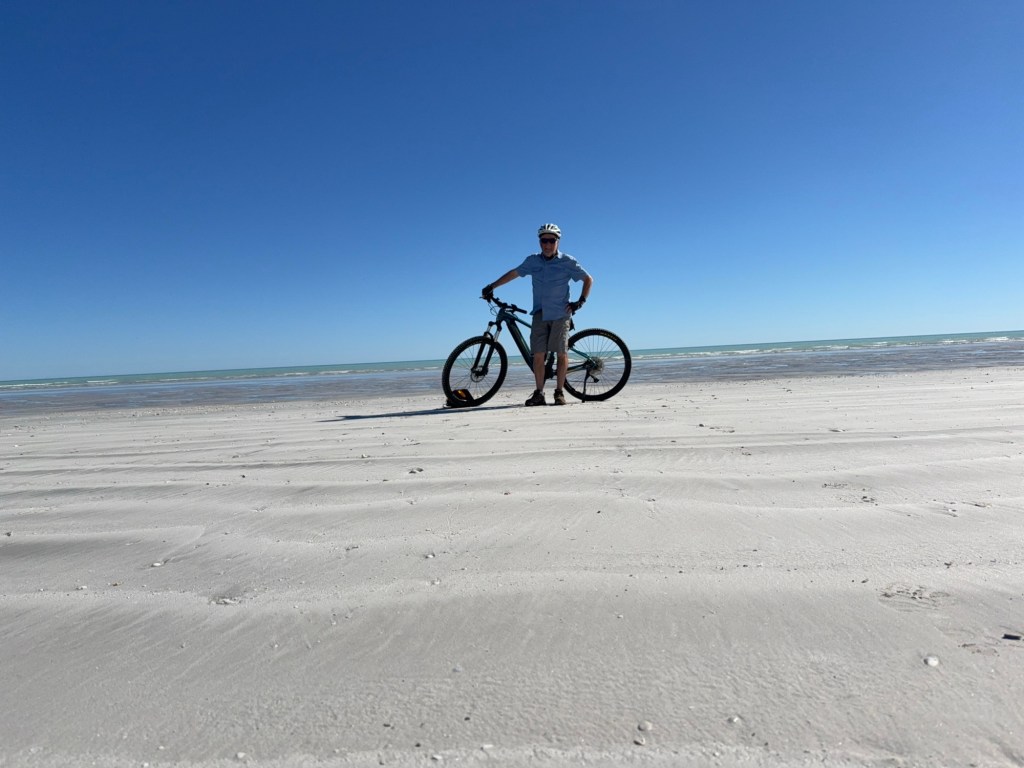
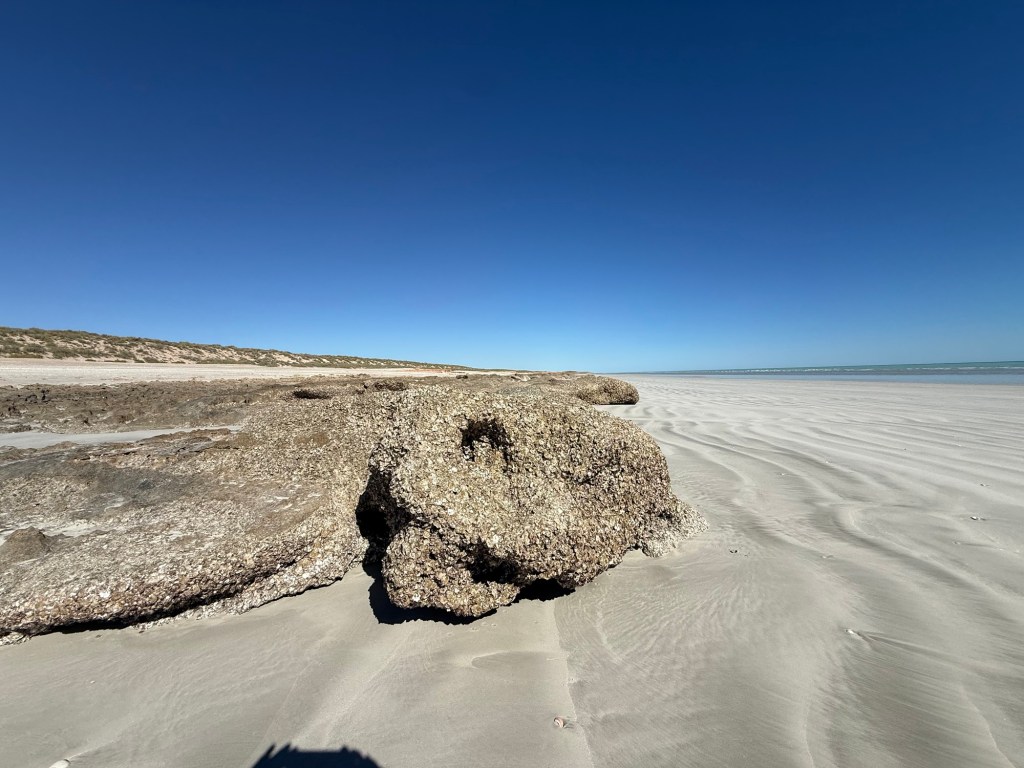
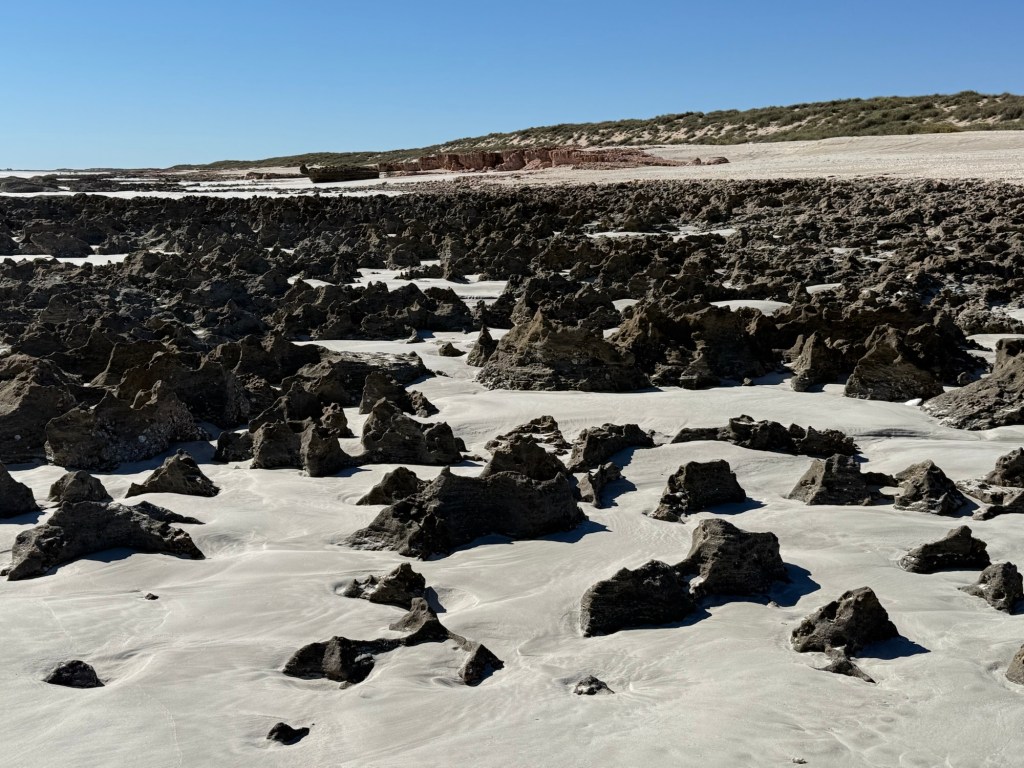
You drive all day and see the odd car and a few road trains and then you drive down a dirt road and there is this oasis of green, filled with campers. Where do they all come from?
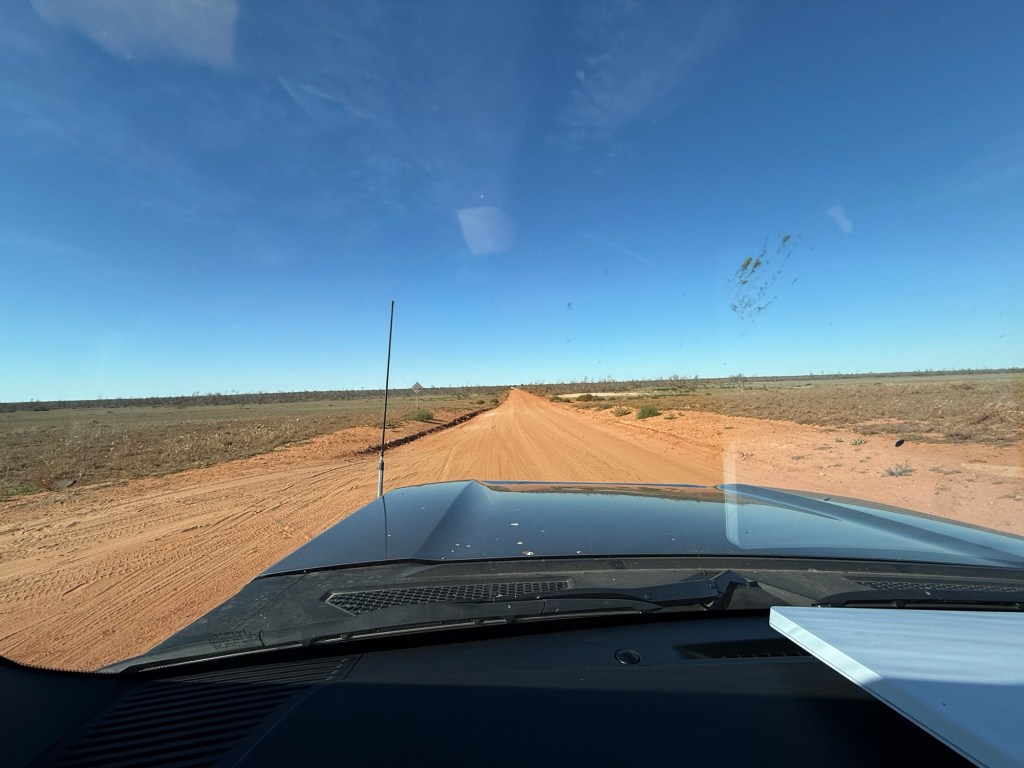
From 80 Mile Beach to Marble Bar a distance of 358 kms there was again just one roadhouse. Out here you have to be mindful of the range you can cover with the fuel in your tank.
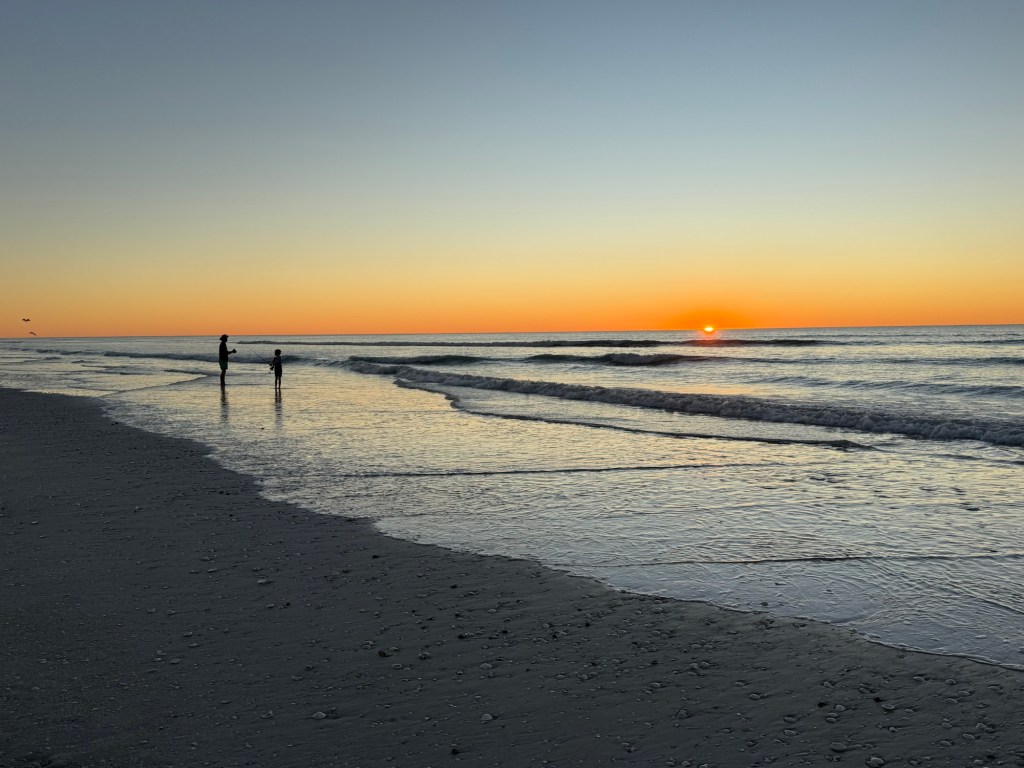
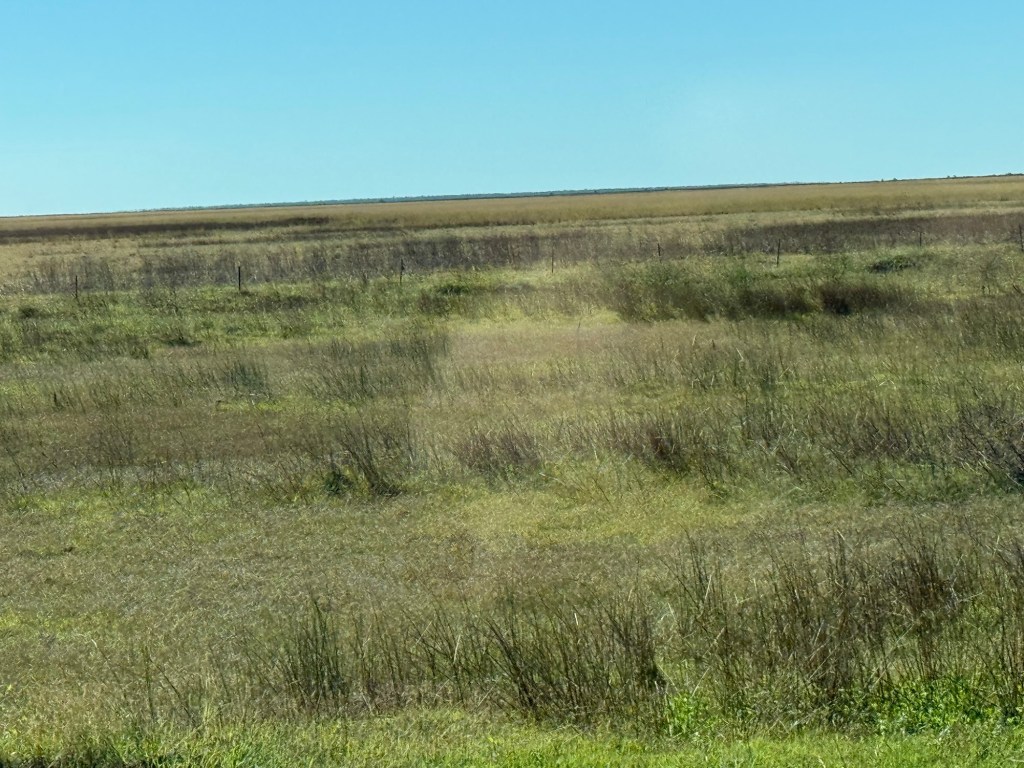
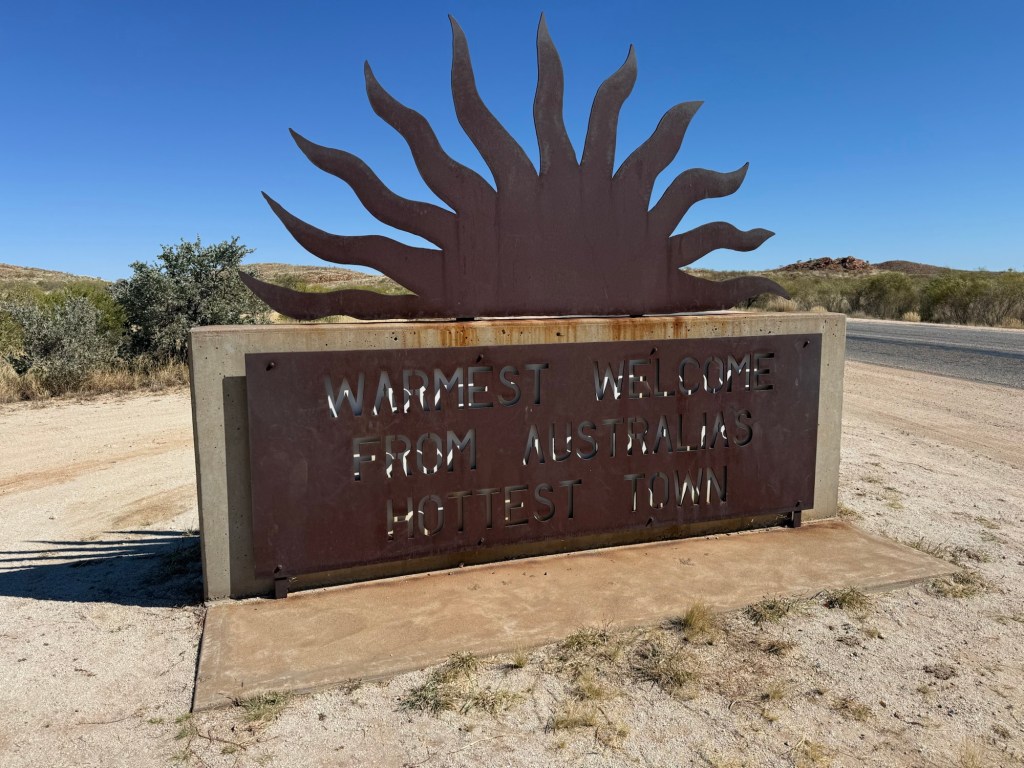
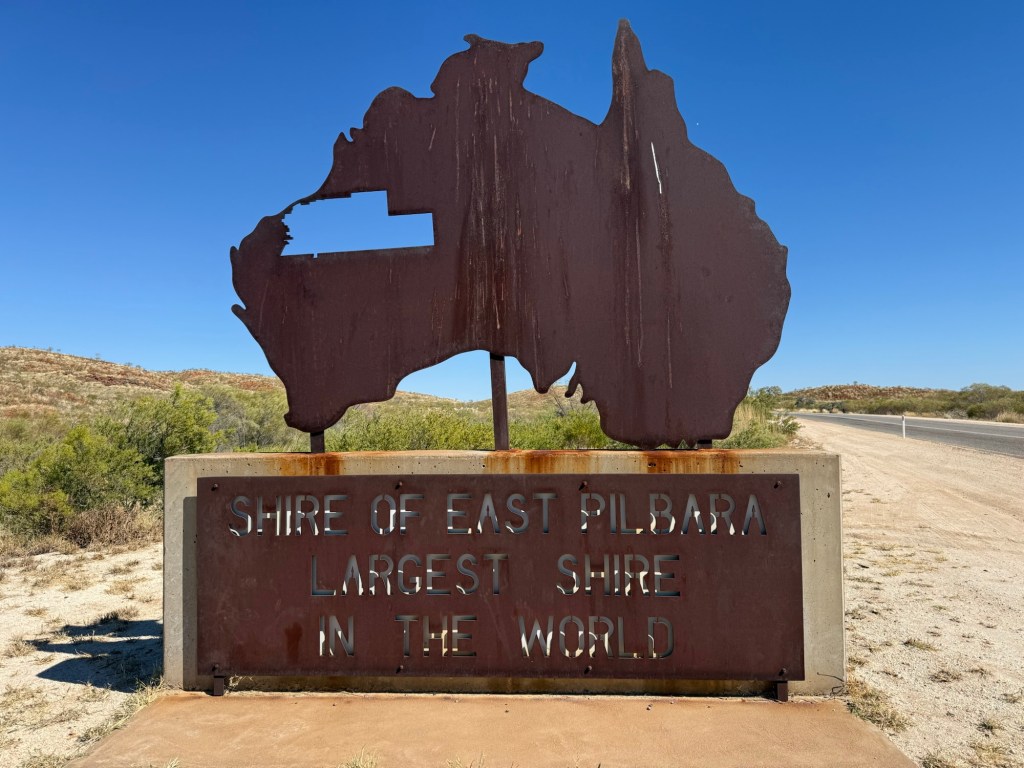
We visited Marble Bar, the town that holds the record for being the hottest town in Australia. This is a place you visit in winter and never summer. The other claim for Marble Bar is that it is the centre of the East Pilbara Shire which is the largest shire in the world. The East Pilbara Shire is larger than all of Germany but with a population of just 10,000 people, Germany 83 million.
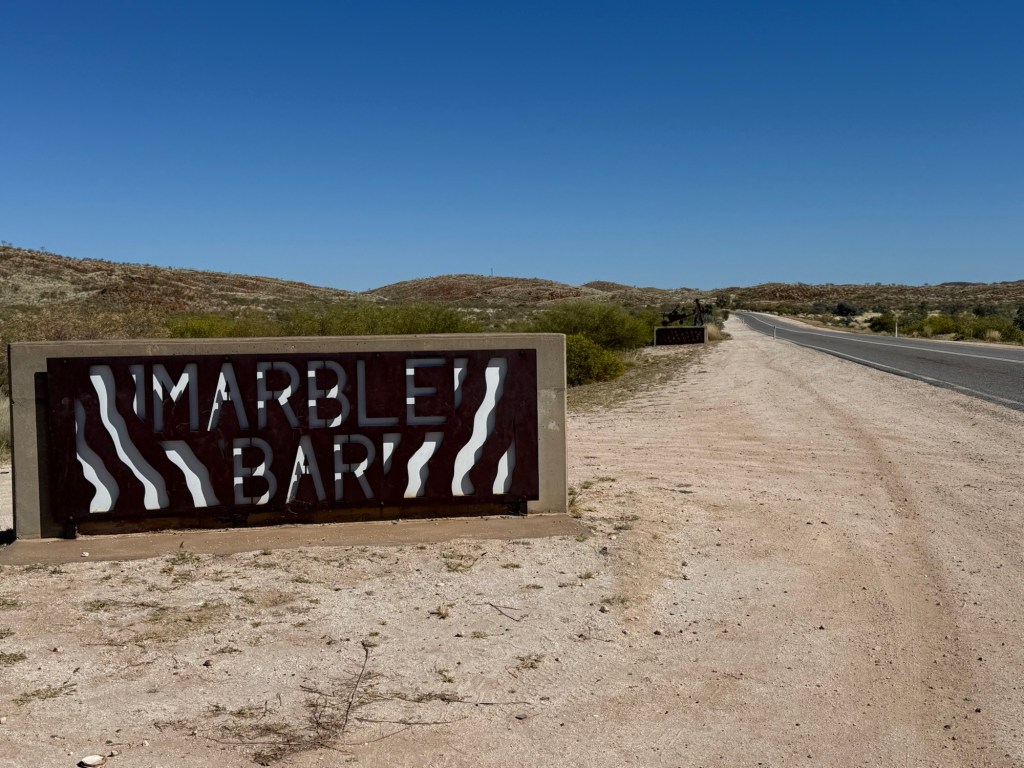
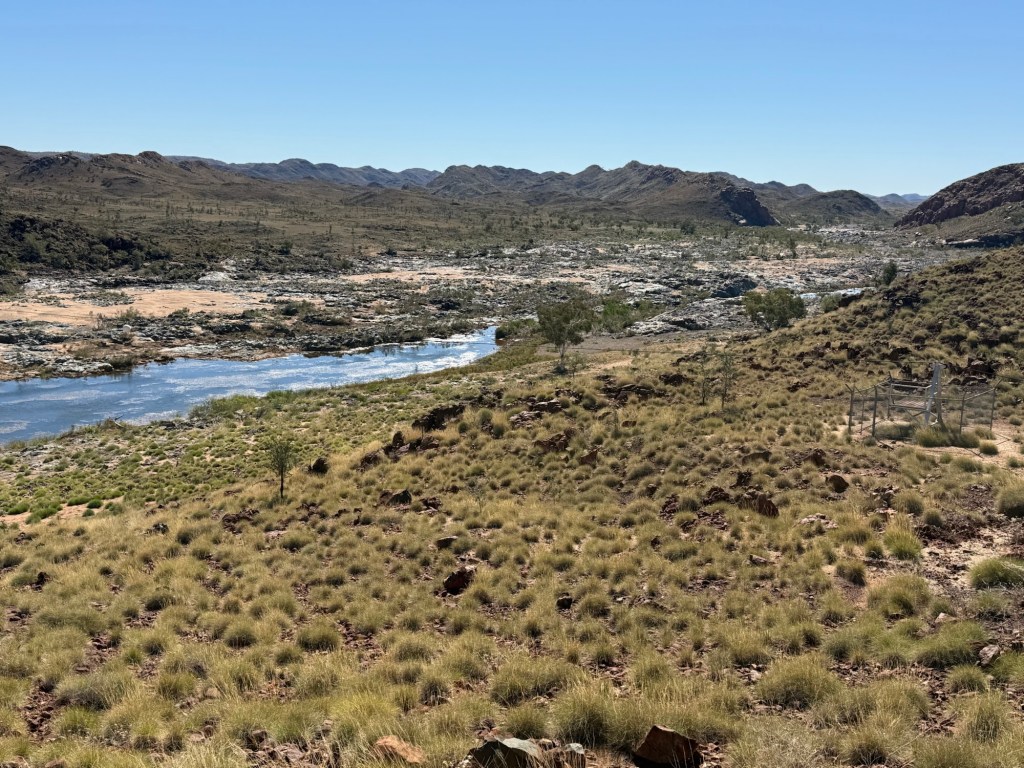
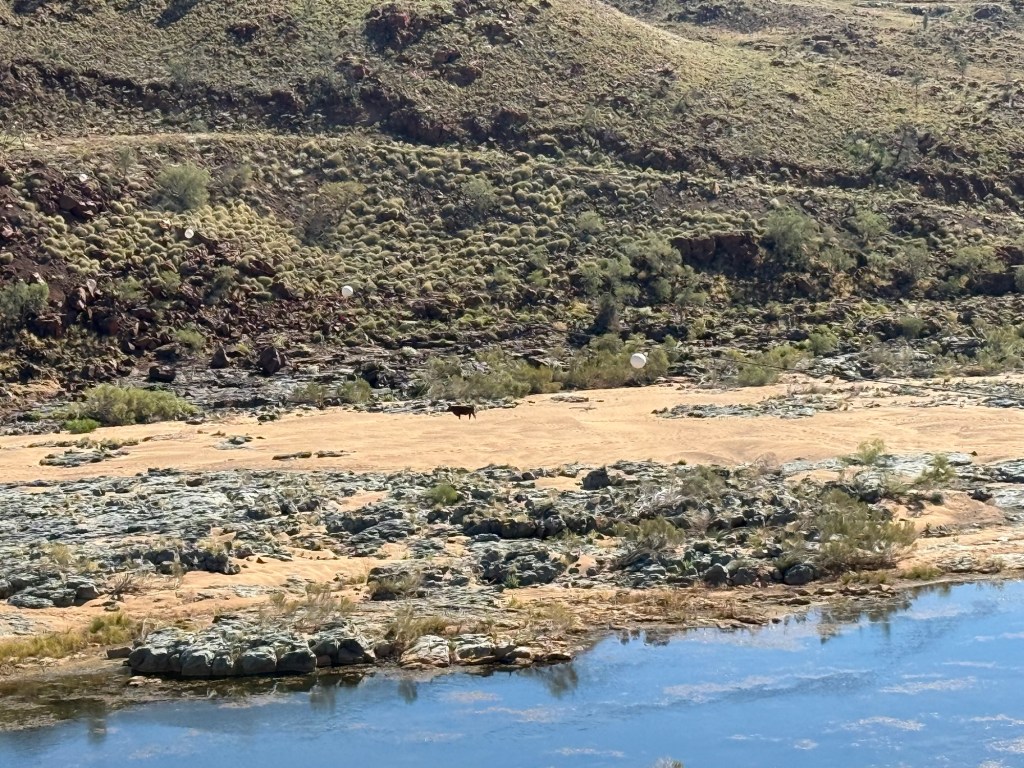
From Marble Bar we drove to Tom Price. This was a day of 392 kms which included about 75 km of dirt road. There was again one roadhouse on this route, the Auski Roadhouse. Auski is a major stop for mining and associated vehicles so the coffee was good as was the sausage rolls. Auski is located on the Great Northern Road, a major route from the mine sites to the coast.
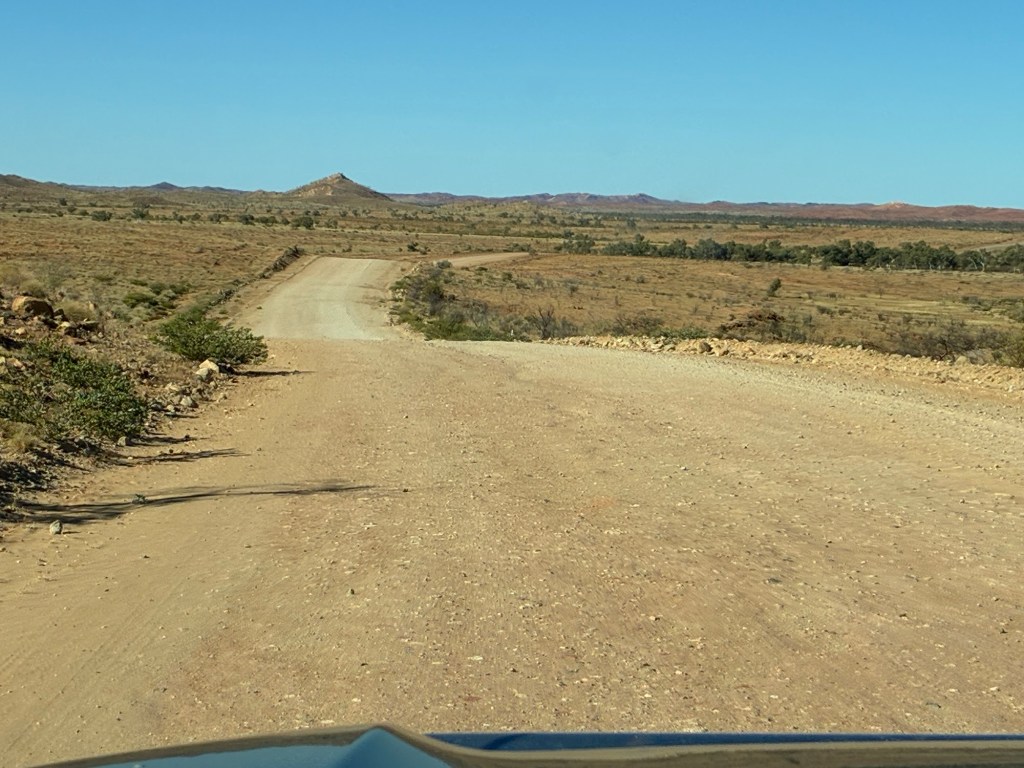
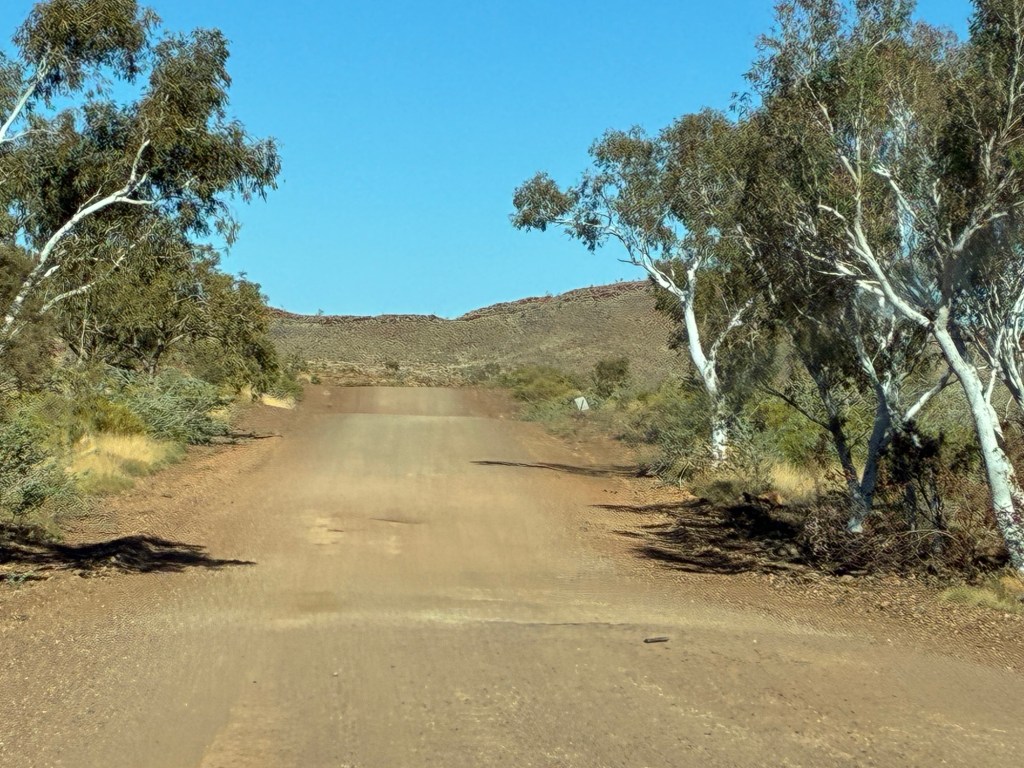
Next it’s Karijini National Park and Tom Price.
10 July 2026
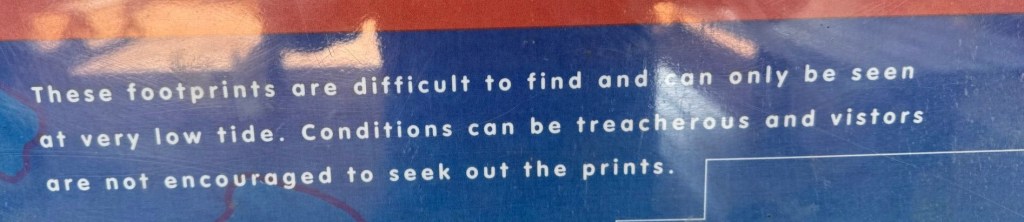
We were encouraged to check out the dinosaur footprints which are some 130 million years old. It seems these footprints are under water and can only be seen at very low tide. I checked the tide timetable to see when low tide was to occur and got up early to see these prehistoric markers.
I checked a couple of locations with no luck. I assumed where a large number of people had gathered that would be the place to see the footprints. This was a flawed assumption. Disappointment was the universal experience. It seems the tide has to be very, very low. The nearest I got to a dinosaur was a 3 year old roaring like we all assume a dinosaur would sound.
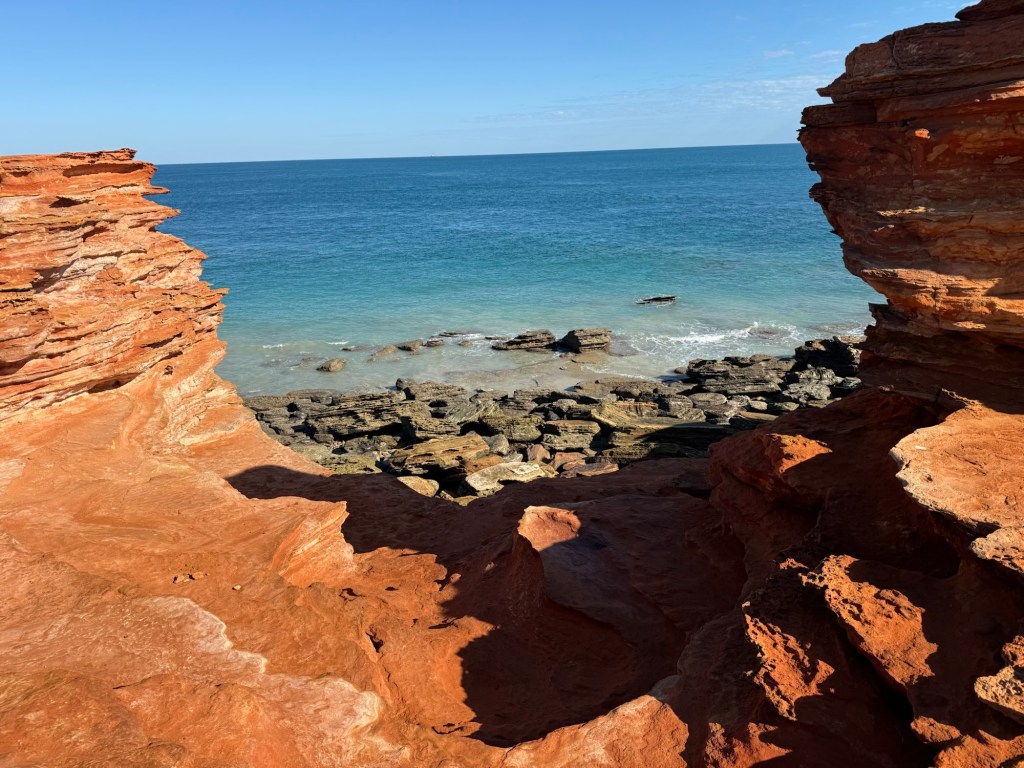
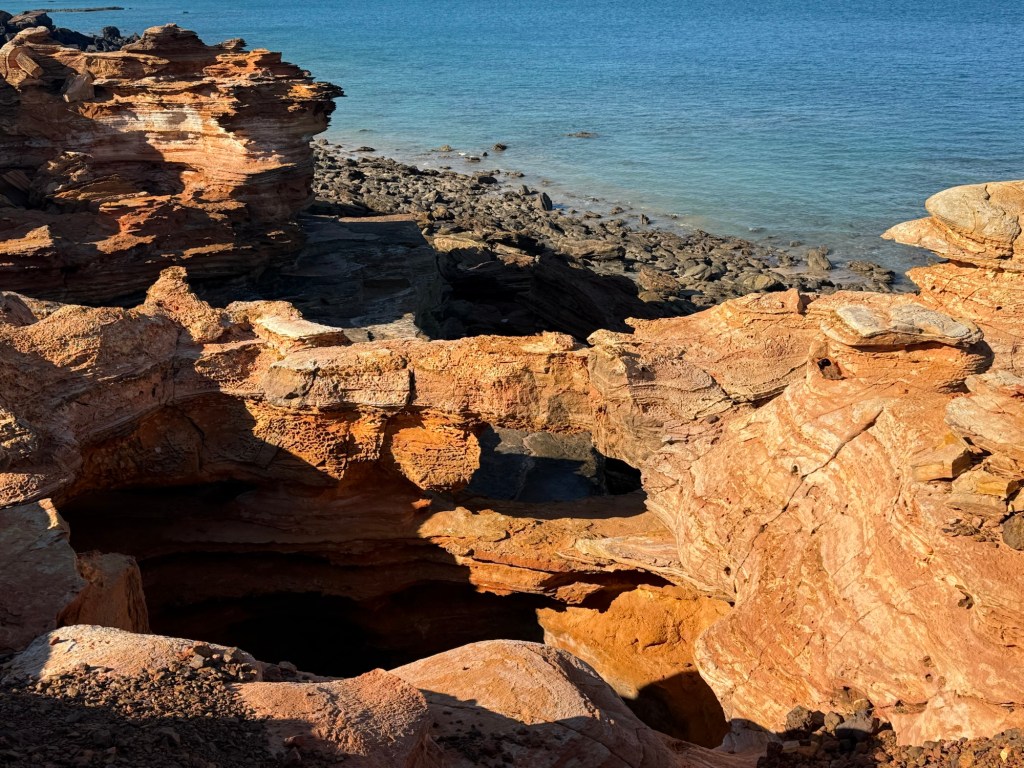

The town of Broome is a curious oasis in the middle of nowhere. You would need to drive north for 2-3 days for the next big town or a go a similar distance to the south. Broome is miles from anywhere. It is however a town of resorts, retail outlets, hardware stores, restaurants and cafes. It’s a place to get a haircut after weeks on the road and to generally restock. This is a town big enough for rental e-scooters!
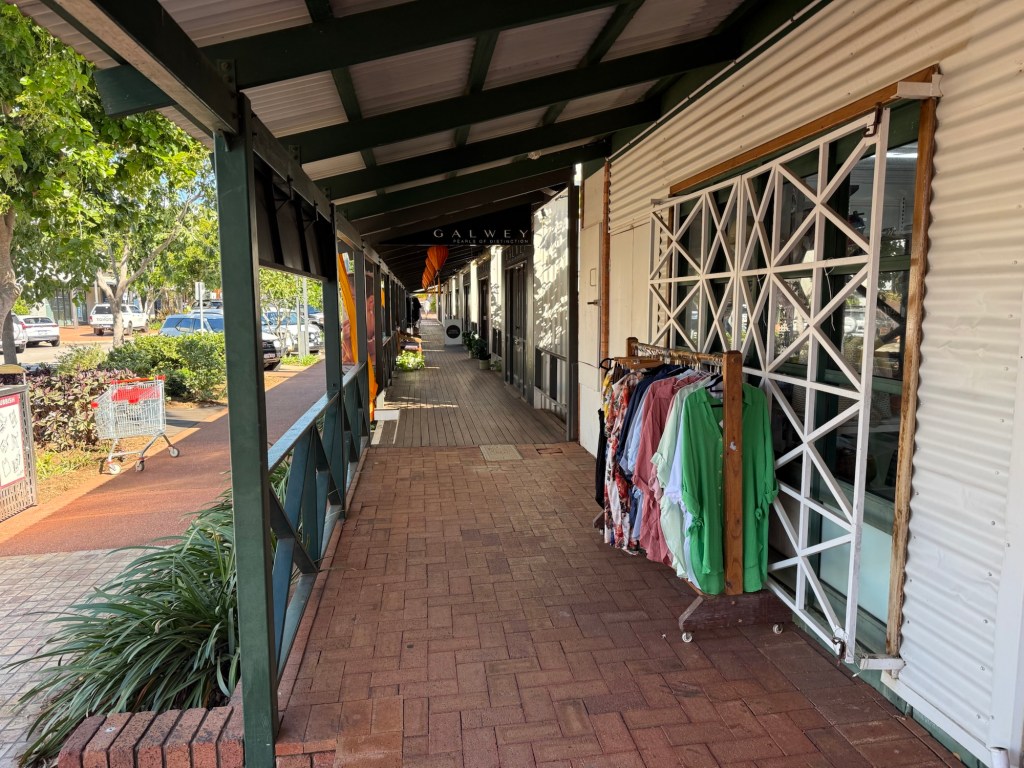
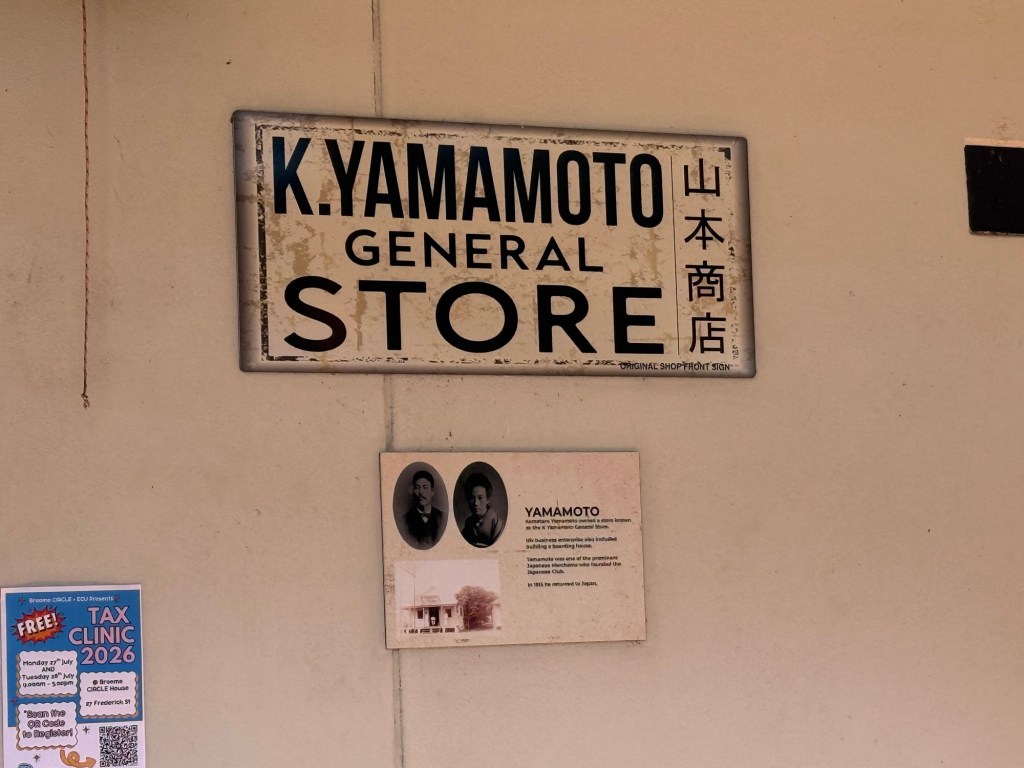

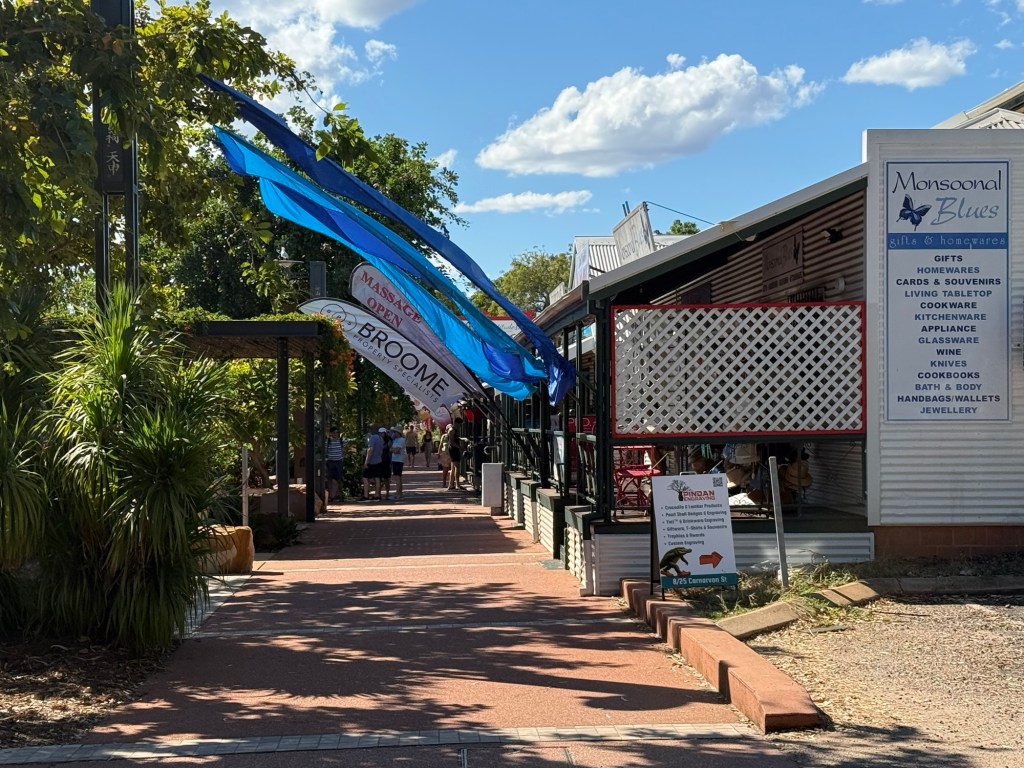
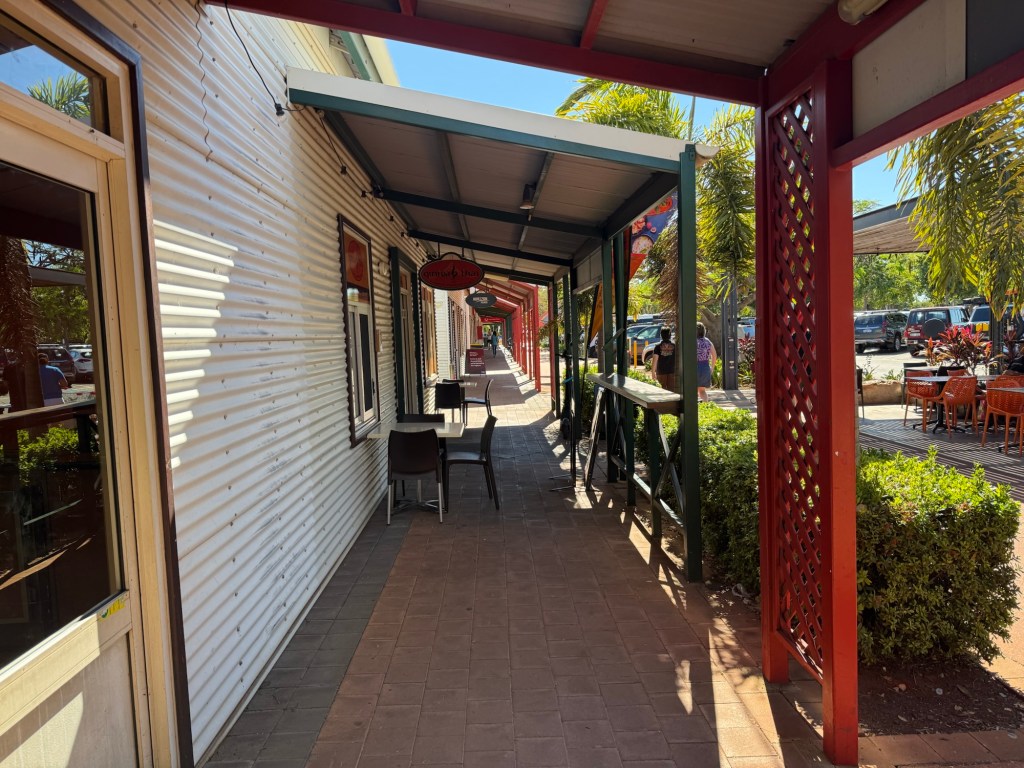
Broome’s main street is known as China Town even though it was Japanese pearling businesses that established this strip over a 100 years ago. The Chinese came later but it seems claimed naming rights. The old architecture has been retained and most buildings are made of corrugated iron.
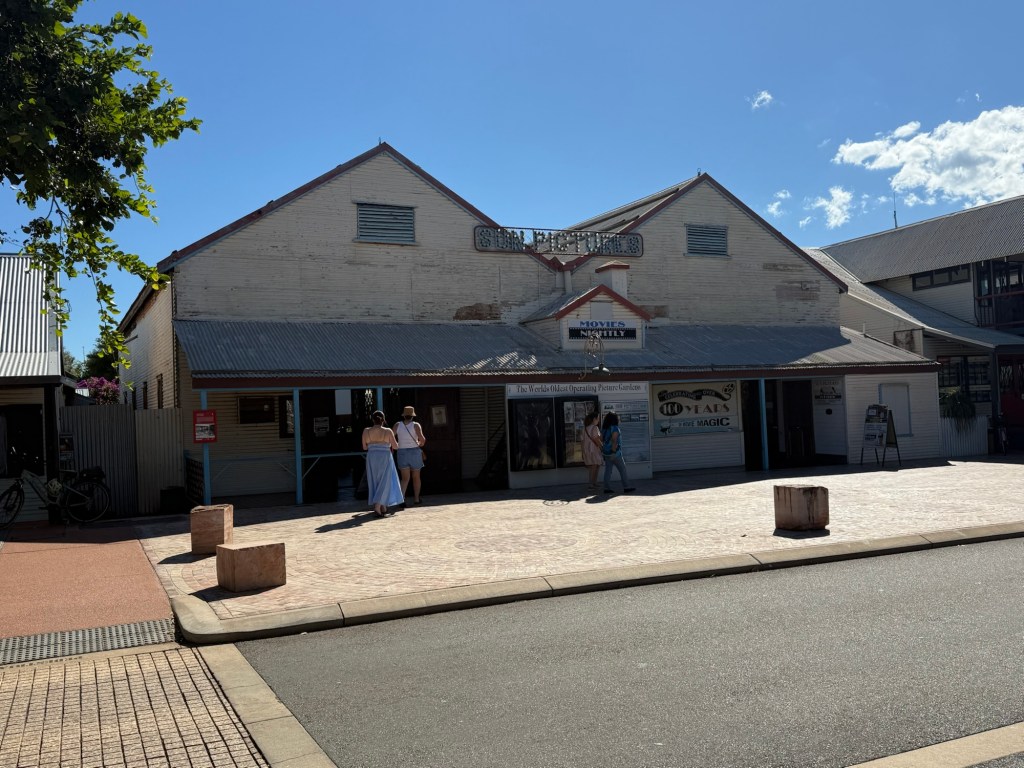
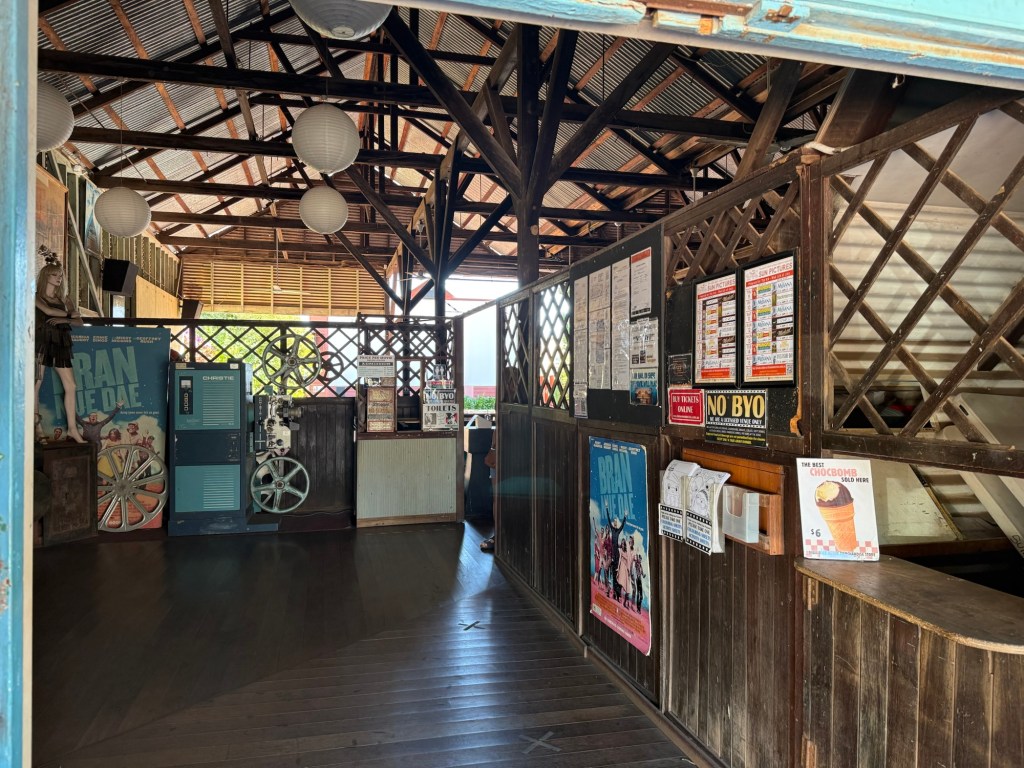
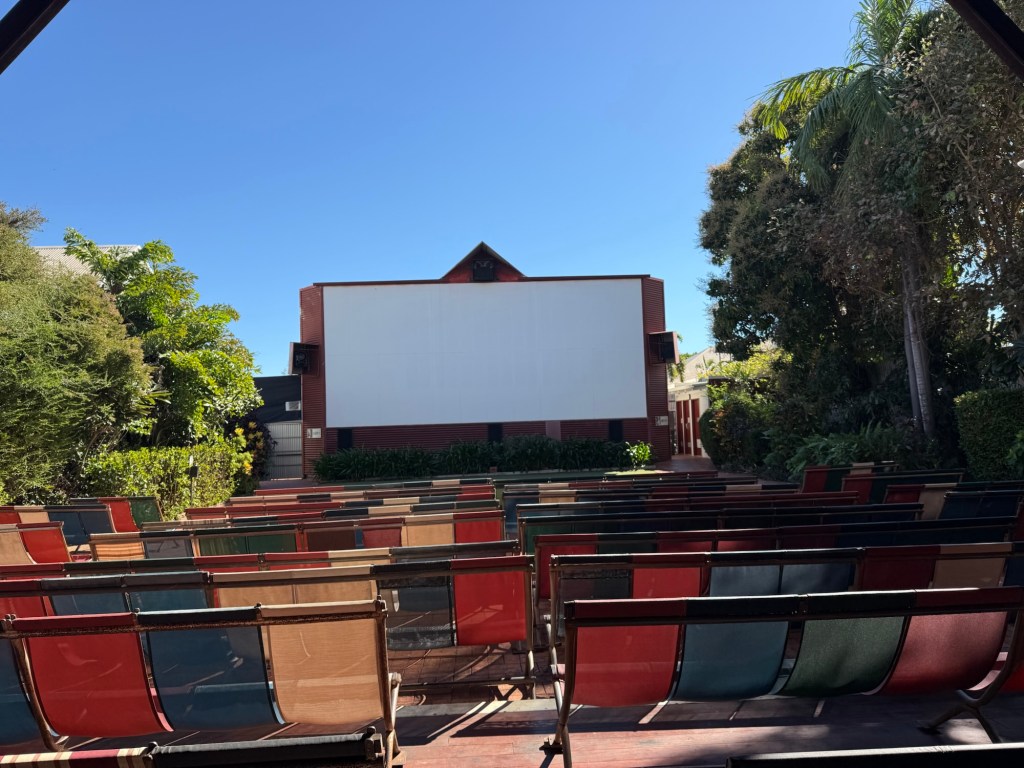
Broome has the oldest outdoor cinema still operating. The Guinness Book of Records recognises it as such. We had to see a movie at this famous venue. The seating is canvas deck chairs and there is no roof so the stars are visible as the night gets darker.
One issue for a cinema that was built in 1916 is that it was built before commercial flights and before the Broome airport. It is now unfortunately under the flight approach for the airport. We enjoyed one helicopter and one fixed wing aircraft. These slight interruptions just added to the whole experience. Rather than offering hand sanitiser this cinema provides mosquito repellent.
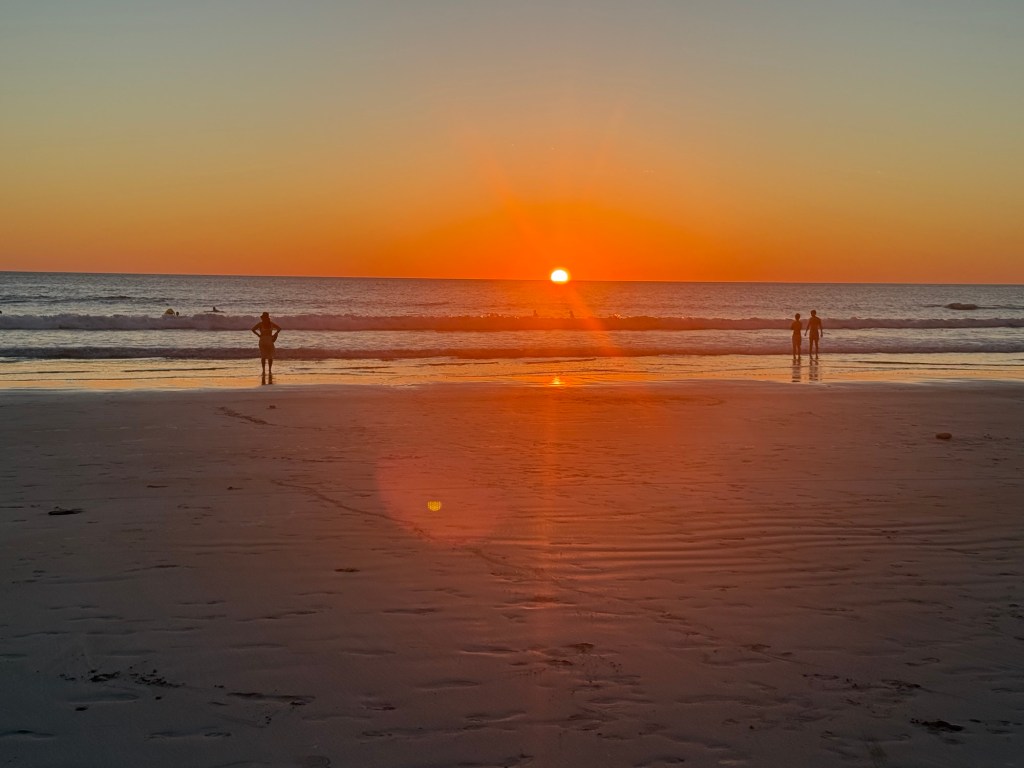
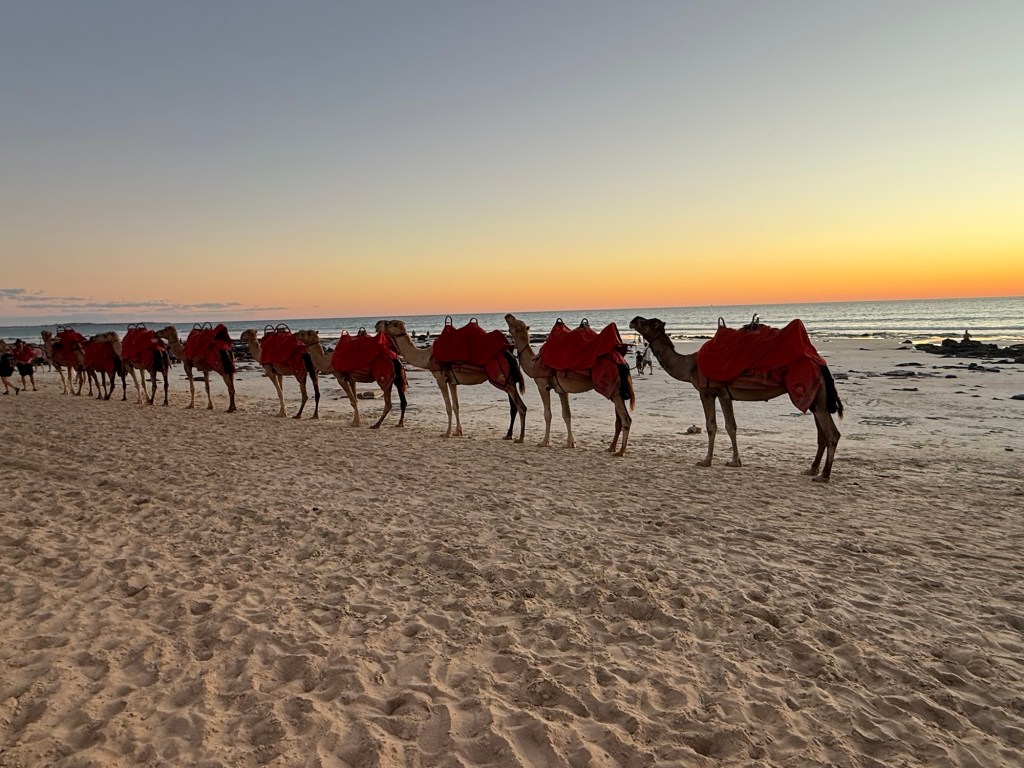
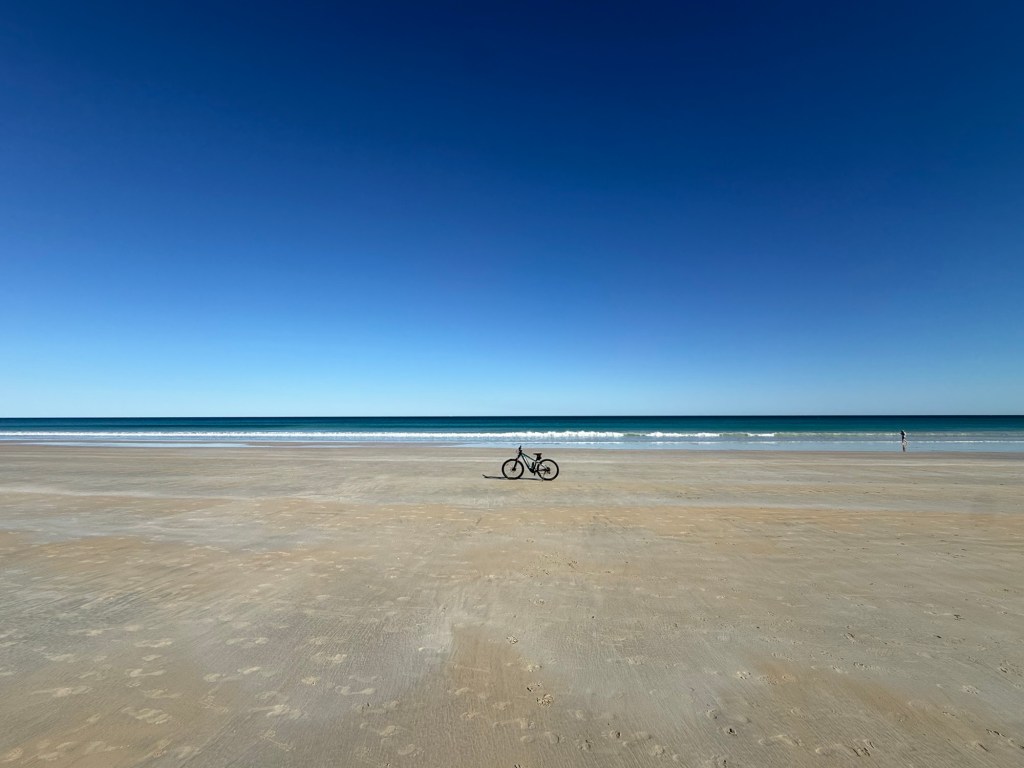
Another famous drawcard is Cable beach so named after the telegraph cable that connected Broome and Australia to the rest of the world via Java. This was back in the 1880s. This beach is now the place to take a camel ride, to enjoy the sunset or to just go for a swim. Even a bike ride is possible and at times you can drive on the beach at low tide.
We both got haircuts. My barber was from Italy having moved to Australia post COVID. Barb’s hairdresser was young French woman.
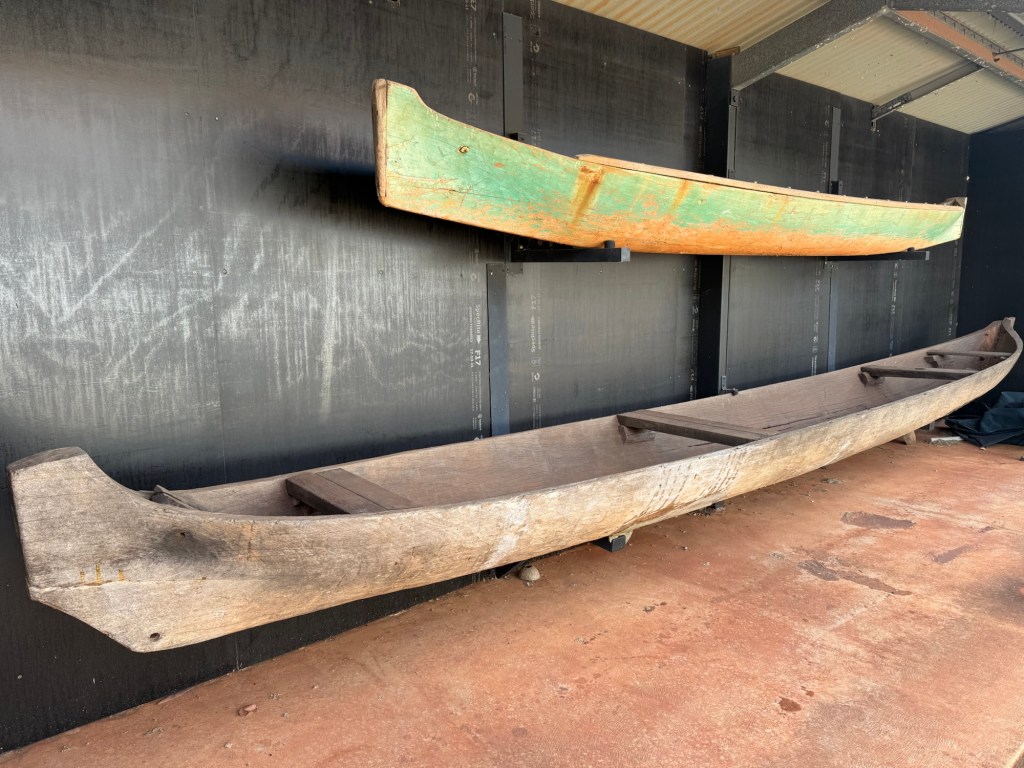
And so we reluctantly continue south.
6 July 2026
We are now in Broome, WA and have decided to put down roots for a few days to explore this part of the world.
Broome’s history is marked by several notable events. From harvesting and exporting mother-of-pearl at the beginning of the 20th century, being bombed by the Japanese in WWII, the development of cultured pearls in the 1950s and 60s and now tourism. Broome is a town of memorials to pearl divers who died doing their job and to the estimated 100 who died during the WWII bombings.
Tourism of course is primarily servicing climate refugees who are escaping winter in the south and those doing the big lap around Australia.
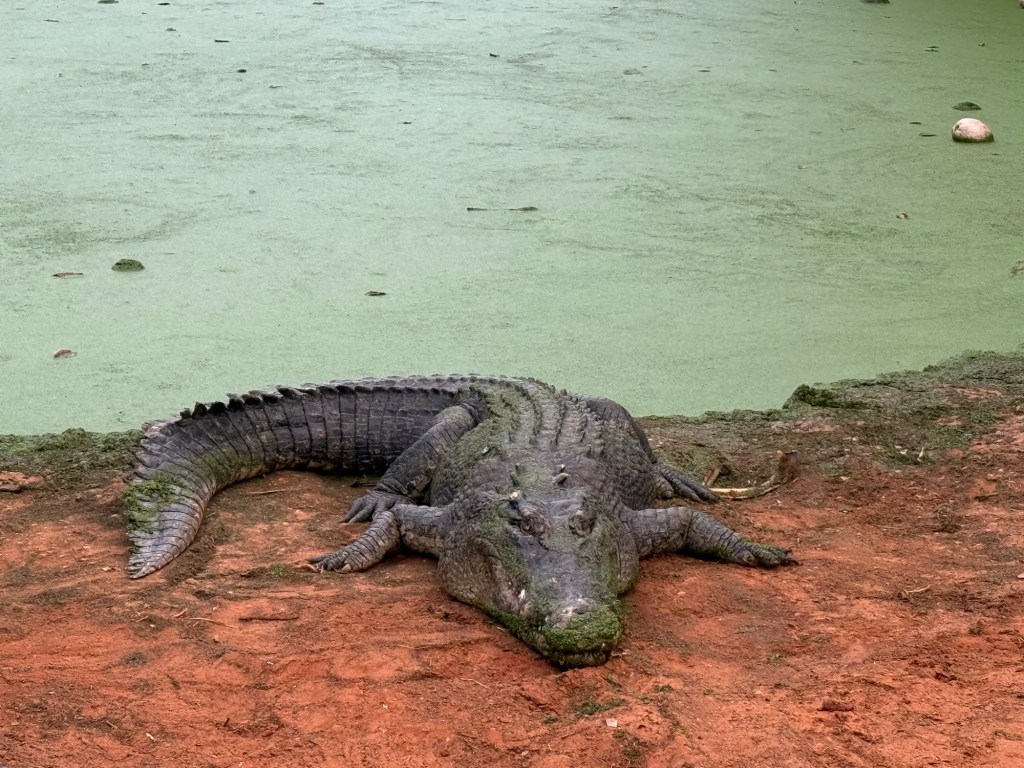

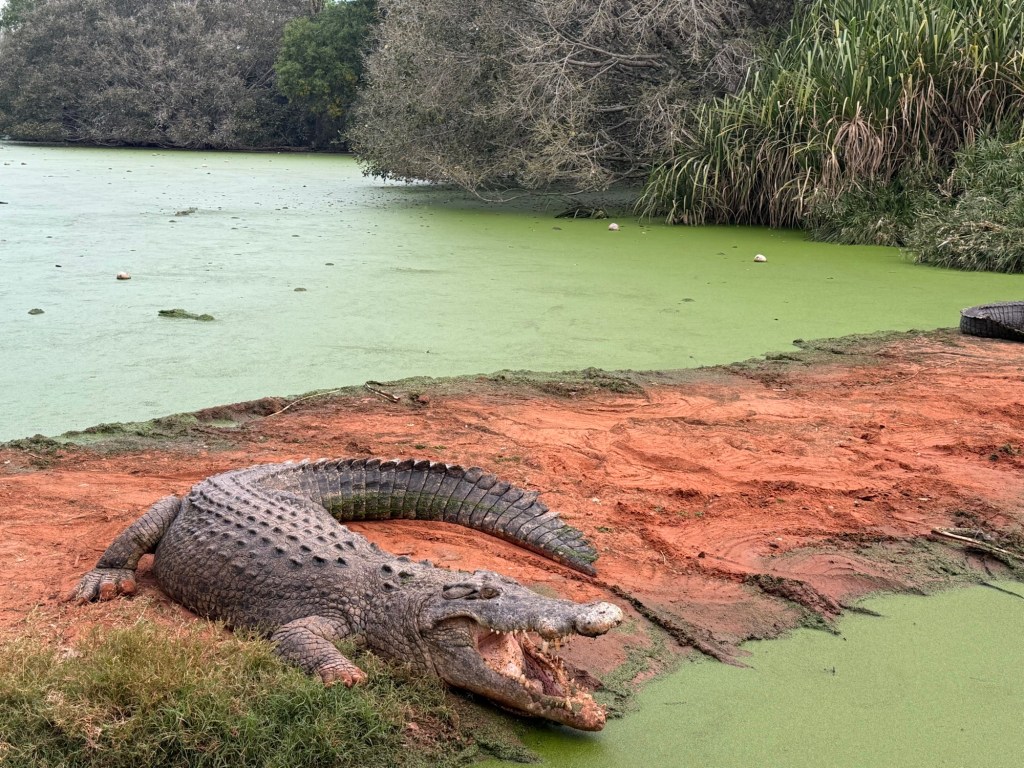
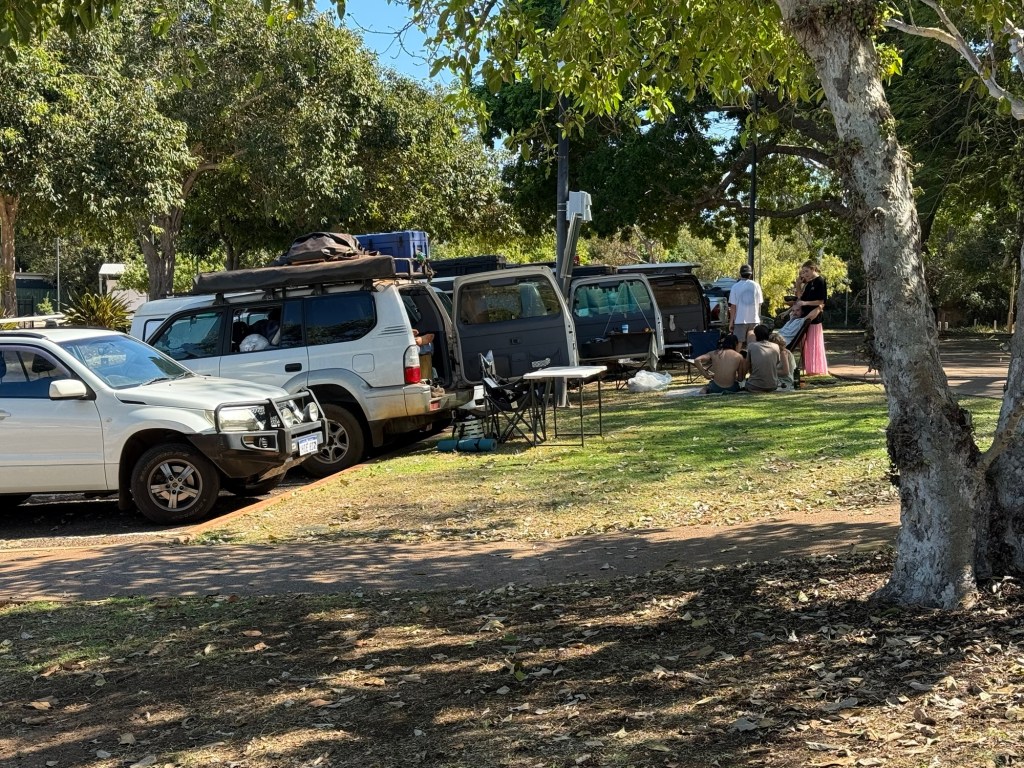
In this town there are backpackers everywhere. Your pizza is prepared by a young lady from Italy, the guy pouring your beer is probably from the UK and the chap steering the boat on your tour of the pearl farm is from South America. The parks are full of their campers and in the early morning you can smell the coffee they are brewing in their vans. Come the wet season they will all be gone along with the tourists.
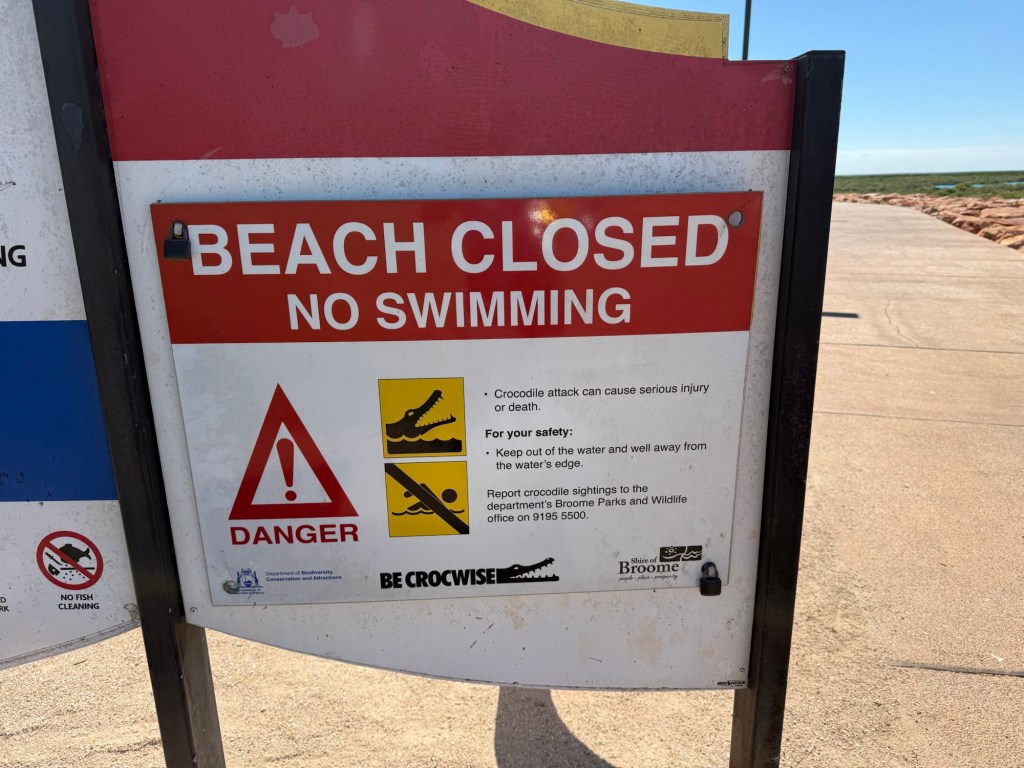
Another unique feature of Broome is their playgrounds for little kids. Anywhere else there might be unicorns, giraffes and elephant features in the playgrounds. Up here they have crocodiles!
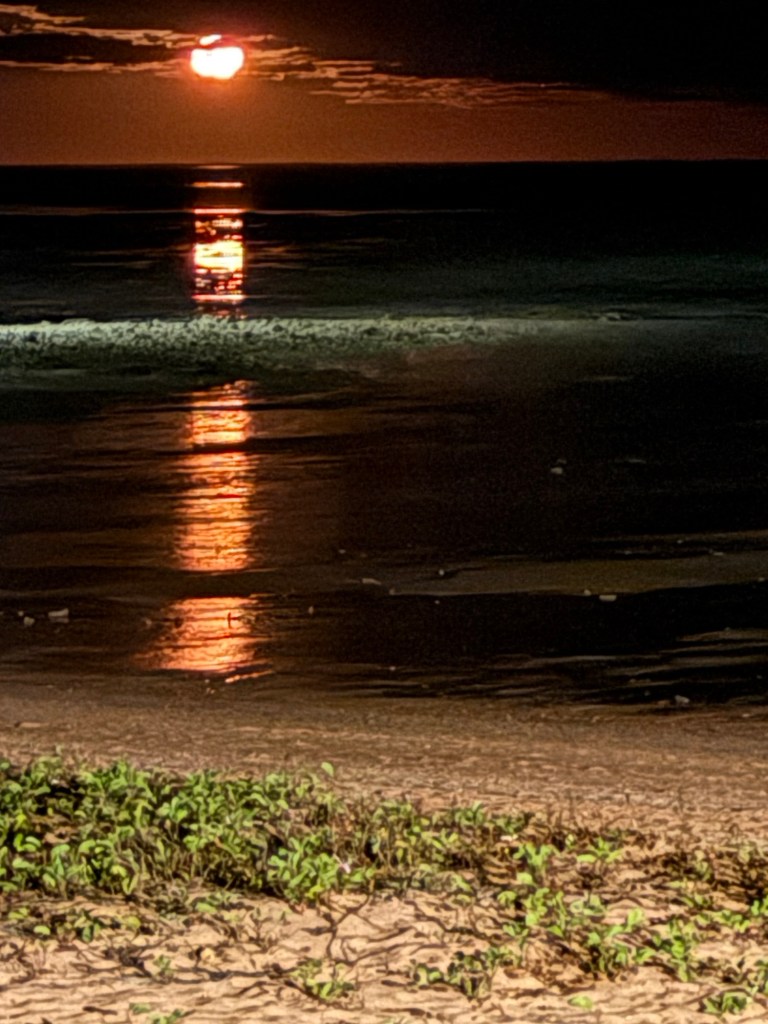
The other major attraction is the Stairway to the Moon. This is a spectacle that only occurs with the alignment of a full moon rise and a low tide. Hundreds are down by the beach, cameras ready with a glass of wine as you hope the clouds will clear as the moon rises. It’s all over in a few minutes and by that time the wine is finished anyway.

We did a tour of a pearl farm and learned just how labour intensive is this industry. Naturally the pearl farm had a shop and in that shop they had a lovely double string of 90 pearls for the bargain price of $250,000. They also had a single massive pearl that was not for sale but with a notional price also of $250,000. Bargains!
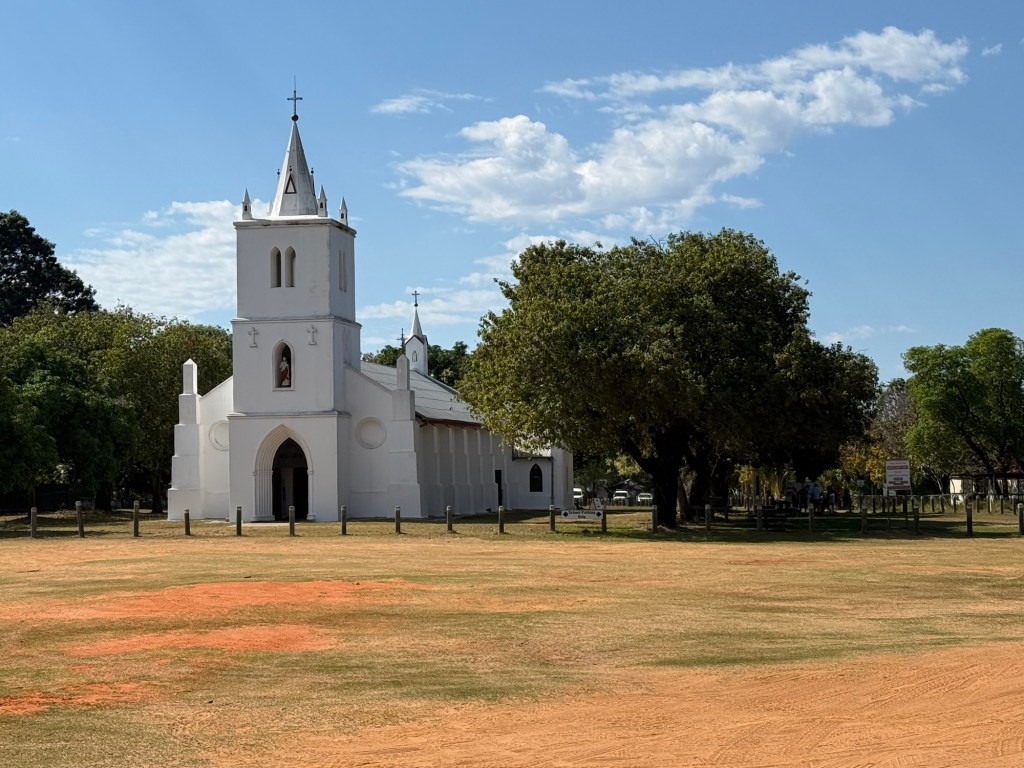
Back in the early days the cultured pearl technicians were universally Japanese and their process for seeding a pearl oyster was hidden from prying eyes behind heavy curtains. Their secrets were managed like Cold War secrets. Now you can get the process fully explained on a tour and the technicians are local men and women. They even have a video of pearl seeding. How things change.
Tonight we off to the oldest outdoor cinema in Australia and maybe the world.

