
11 August 2021
It’s been a while since I last posted a log. It seems we have been on the move quite a bit and time for writing has suffered.
We have left the tropics and are now well south of the Tropic of Capricorn. We are only two days from crossing the NSW border and are only too well aware that once we cross that border the gates will slam shut behind us, at least for a while.
My Most Recent Observations:
The Changing Scenery
We have left the green of the wet tropics and the mountains of the coastal ranges. We are back out west on the flat open country of outback Queensland. The horizon is obvious and the distance between towns immense.
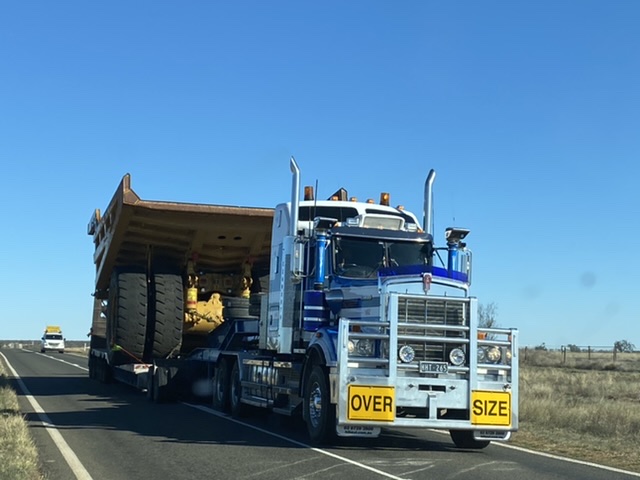
Out here the massive road trains hauling cattle to market or feedlots and trucks hauling mining equipment are more prevalent. The UHF radio is so useful when you need to call up a truck driver who might be approaching or sitting on your tail.
The Borderlands
We have reached the Borderlands. I am not talking about the border between States rather a wildlife border. We are now in a transition zone where the roadkill is consumed by both crows and kites.
North of here you will only see flocks of kites and south only crows and not a kite to be seen. I didn’t see the line on the road or the fence but clearly the crows and kites know where their territory lies. The wedge tail eagles are also absent this far south.
You are also more likely to see emus in open country now that we have left the tropics. Cattle of course along with goats and horses are out here but no avocado, sugar cane, bananas or mangoes.
Mining Towns
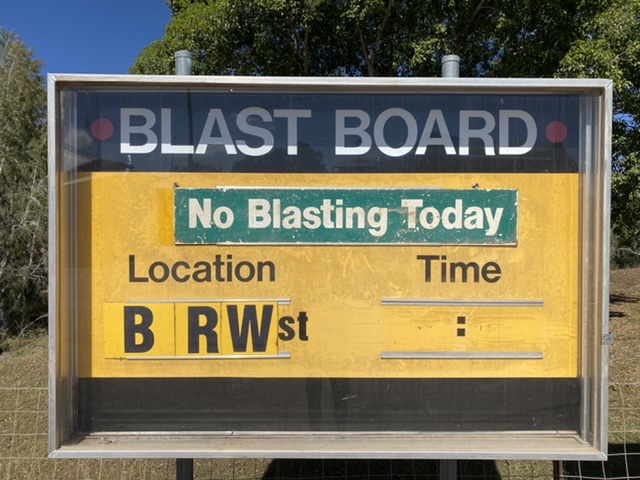
I have mentioned before the impact of fly in fly out mine workers and the lack of people in the small towns. Another impact of modern mining technology is open cut mines rather than underground mines.
The old mines had a limited impact on the landscape, with only the shaft opening visible and the relatively small heaps of waste rock. In contrast the new open cut mines leave massive scars with deep pits and huge spoil heaps.
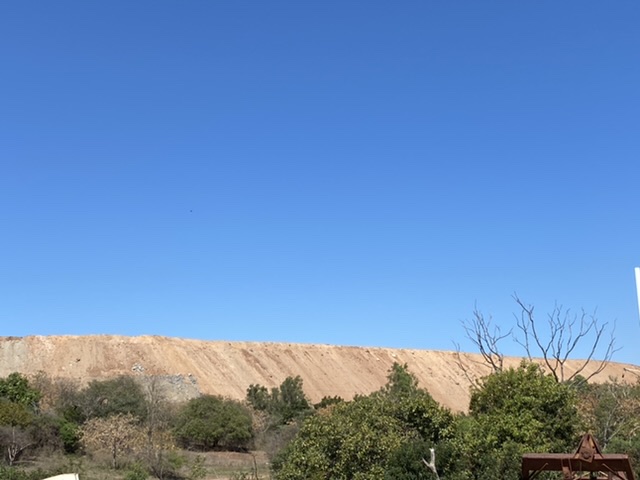


These days if it costs $1000 to mine one ounce of gold the mine is considered profitable. That could involve the removal of 30 tonnes of ore for 1 oz of gold. Those numbers help explain the huge waste piles so evident in this country.

The Good Old Days
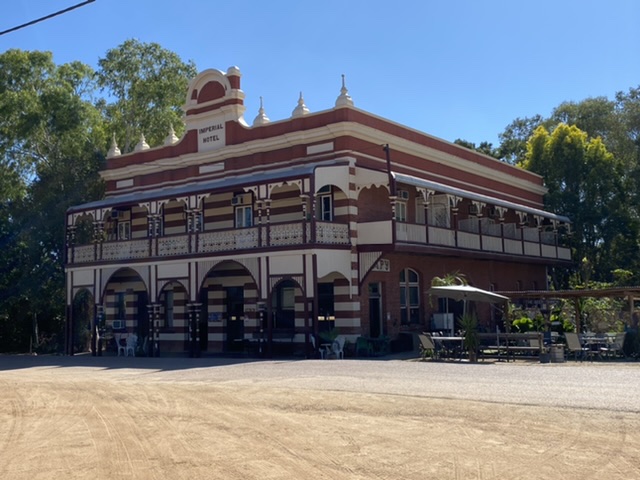
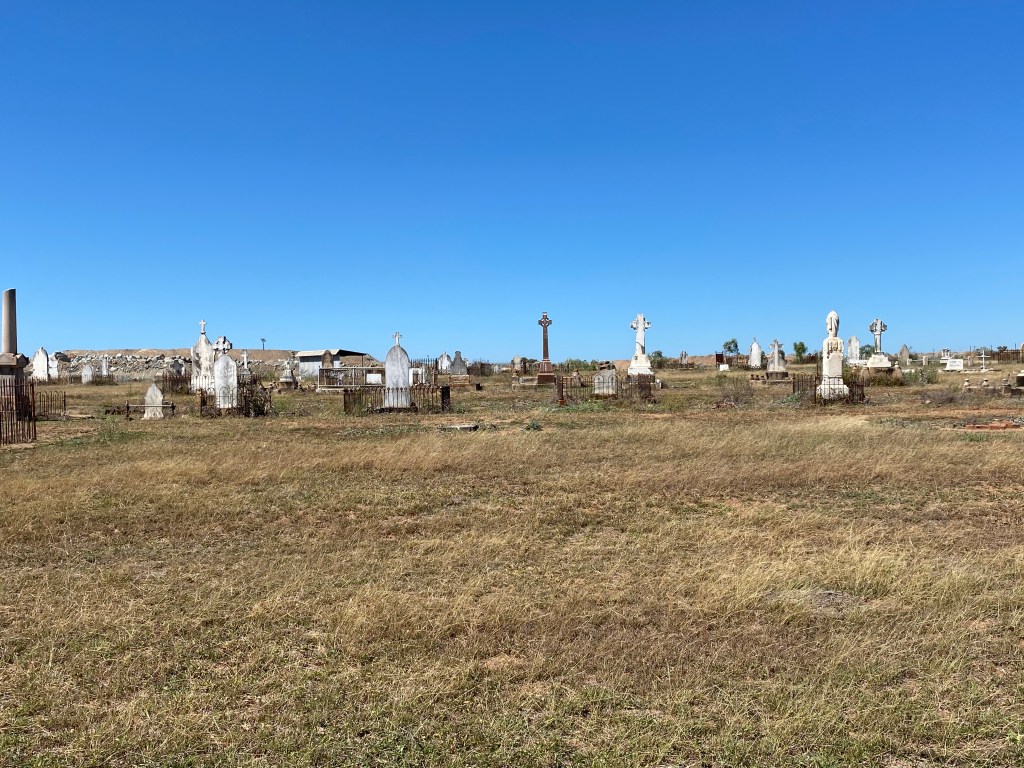
It’s pretty sobering to visit the cemetery in an old mining town. There a headstone recorded the death of a 15 month old baby due to arsenic poisoning. Maybe the good old days weren’t so good.
Stock Exchange
These days we think of stock exchanges only in the big cities, New York, Melbourne, Sydney, London etc. However in the day country towns like Charters Towers established their own stock exchange.
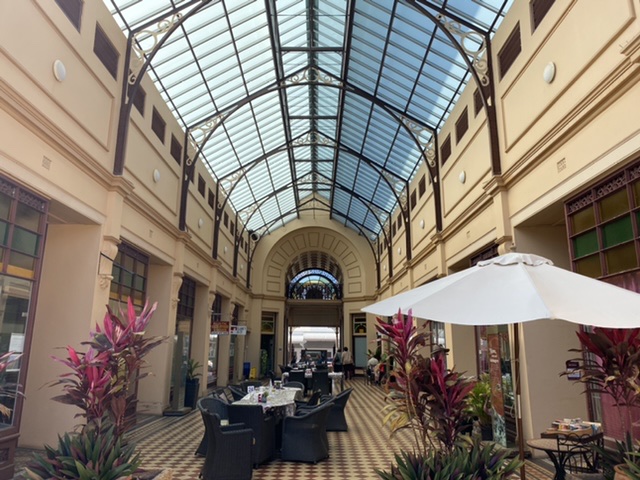
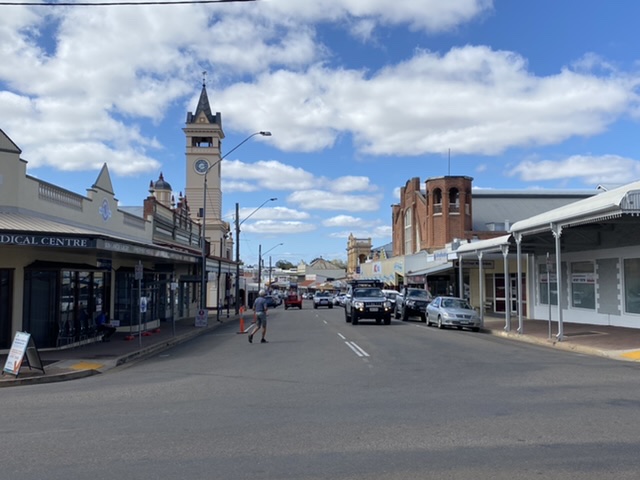
It seems there was a lot of skullduggery going on with lots of scams over potential mining claims. The stock exchange was established to bring some order to what was becoming a little too Wild West. And we thought scams were a modern aberration.
Gem Stones
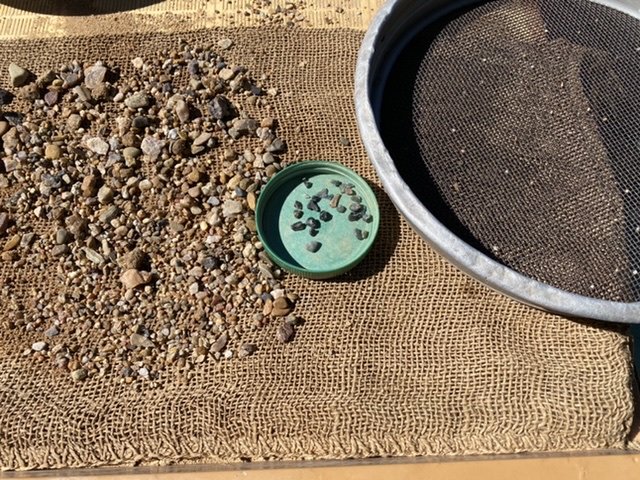
While the big mining ventures are so visible there are still opportunities for the amateur prospector. In the areas surrounding the ramshackle towns of Sapphire, Rubyvale or Anakie you can still try your luck at finding that sapphire. Alternatively for $15 you can spend an hour or two picking through a bucket of sand looking for your gem.

Tour Guides
We have come across a few tour guides these past three months. Some very good, some not so. Some who can tell a story from their own life experience and others that talk straight from pre-prepared notes.
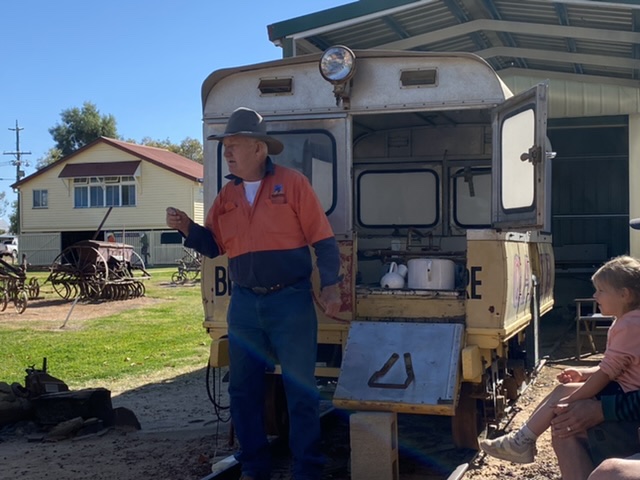
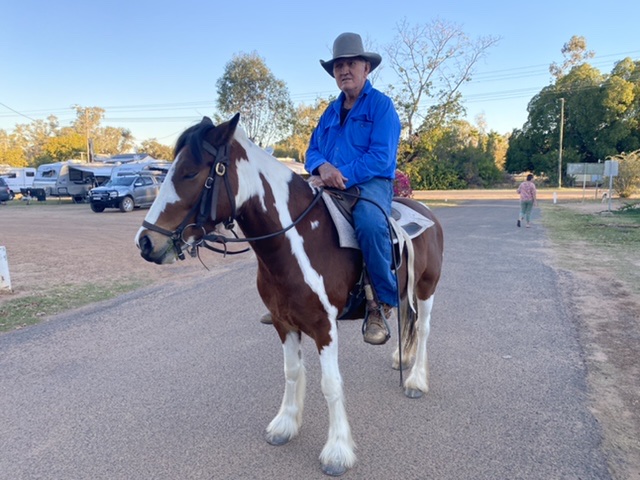
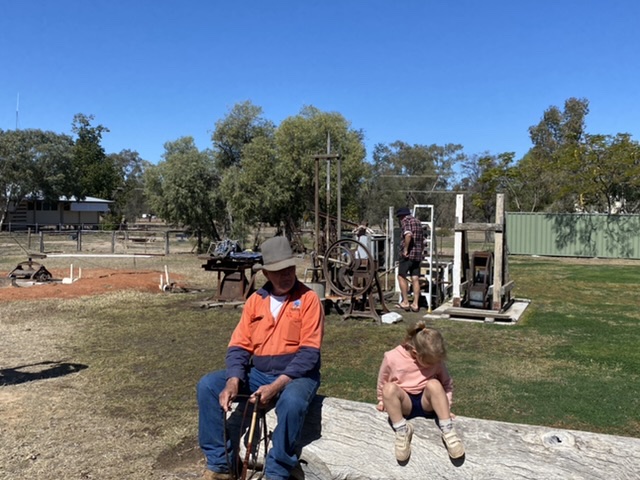
Stewart Benson is the guide at the Ram Park museum at Blackall. Stewart is an old drover with the skills of the true story teller. He lived his life as a drover and a horse man and has little time for political correctness. His stories are the stuff of legend and the Australian outback. He talks about his exploits as a kid and the Chinese veggie growers who might have enjoyed the smoke of the poppy, to the woman who served goat meat sandwiches and pigeon pie to train travellers and the doctors who travelled with the sick on the single carriage railway ambulance. He told stories of outback women who were tough enough to kill a goat in the morning, prepare lunch, get to the hospital to give birth and then be home to prepare dinner for the men.
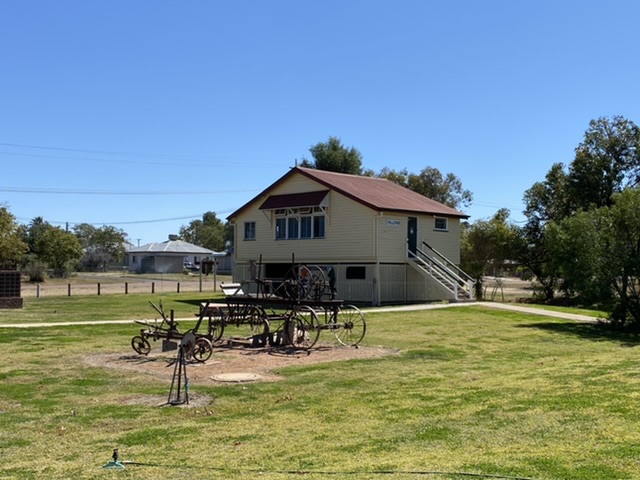
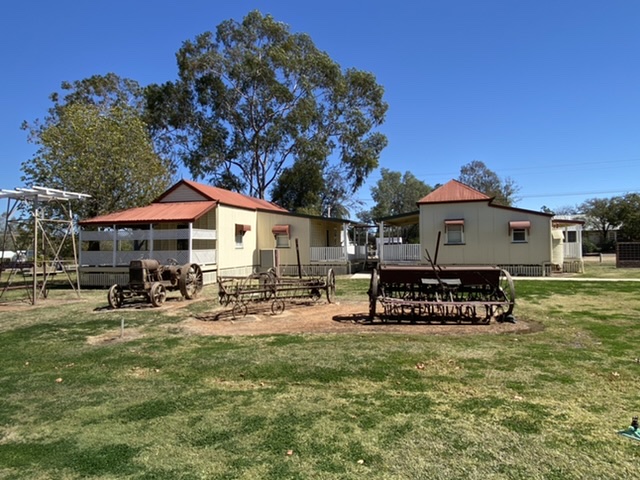
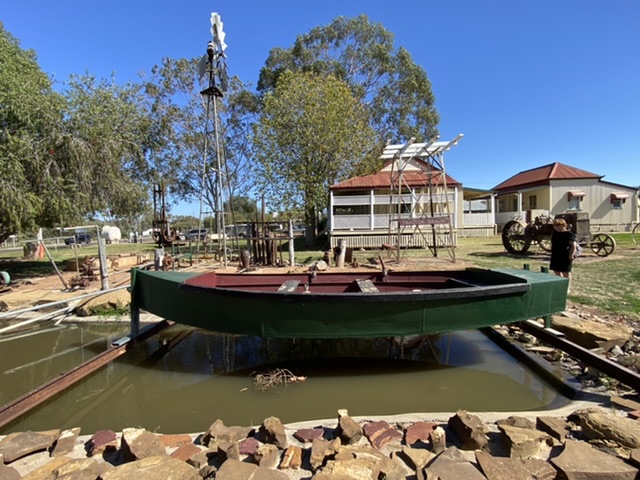
Stewart encourages people to come to his tour by riding his horse through all the camp sites regaling travellers with his encouragement to come to his tour which is free. Anyone travelling through Blackall must visit Ram Park but do it soon, Stewart is no spring chicken.
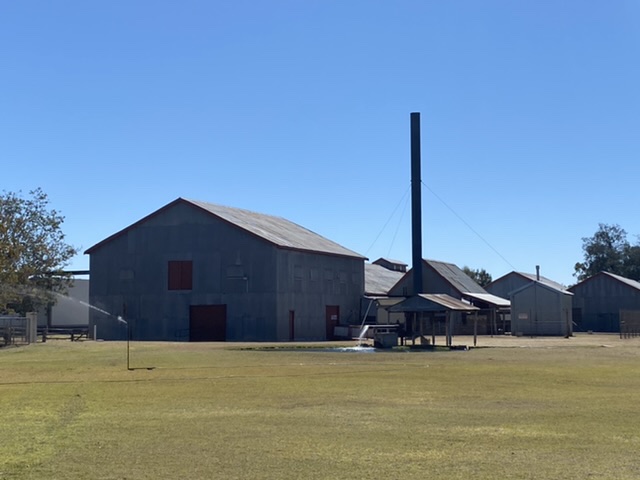
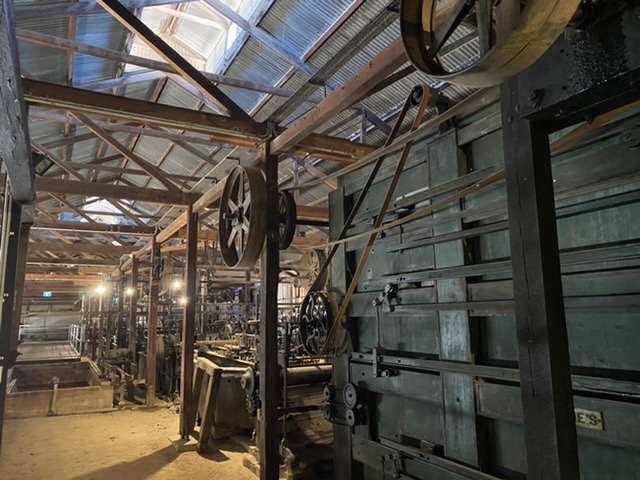
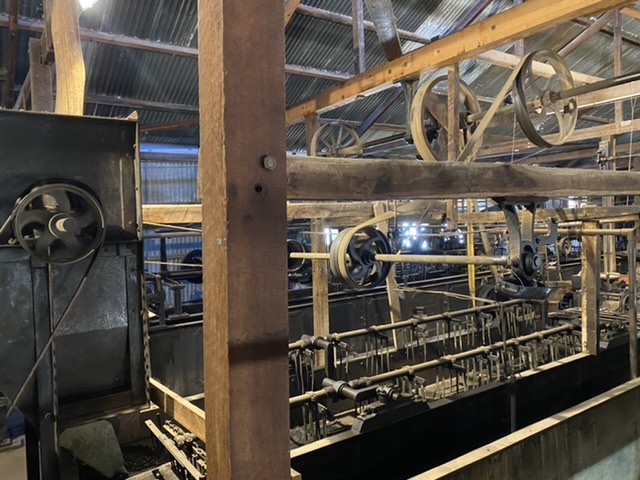
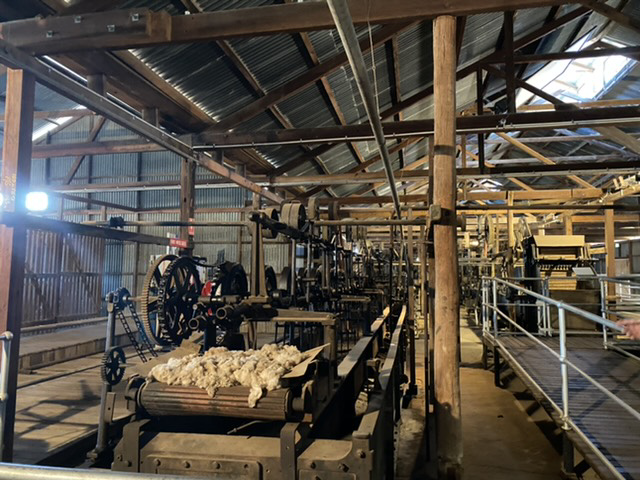
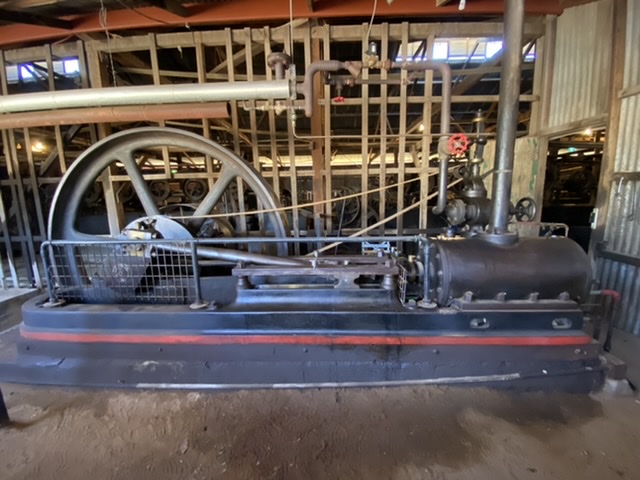
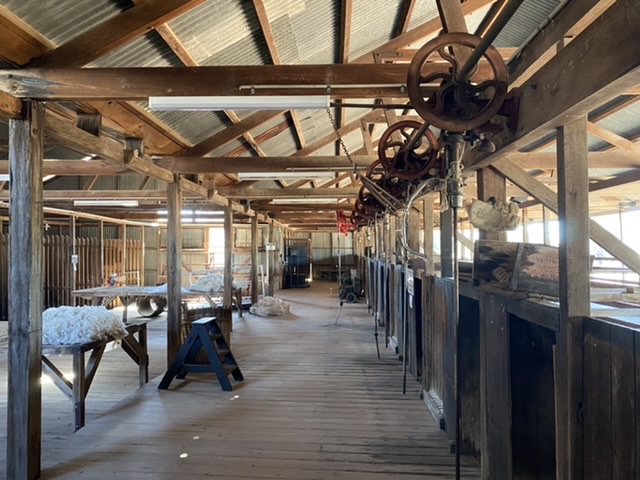
Blackall also has the last wool scour left in Australia. The Blackall wool scour is a steam driven wool washing plant that serviced the region from 1908 to 1975.
And so we travel on south and back into NSW, maybe……
 A Traveller's Tale