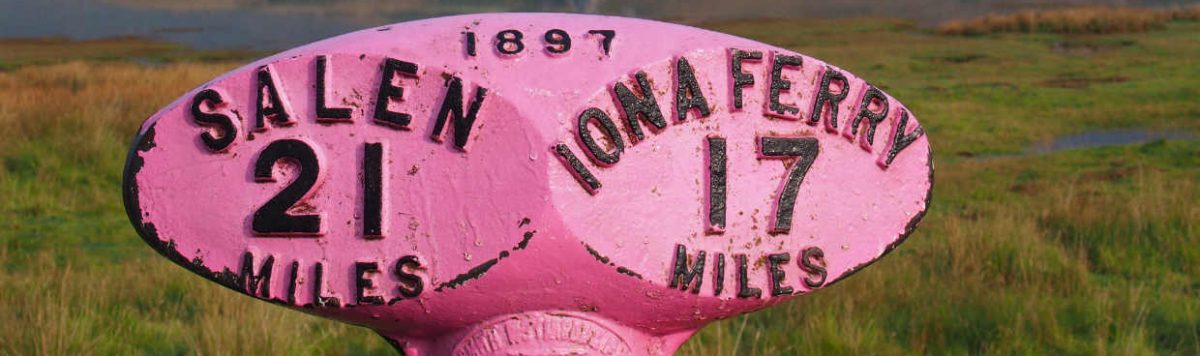
21 July 2021
This is the tenth Travel Log in this series and it’s the 10th week we have been on the road. We have completed 8725 kms and have now visited the most northerly point of the Australian continent.
During our travels we have also been able to procure our second COVID vaccine shot right on the 12 week mark.
The stories to tell are some many and so varied its impossible to recall them all in these travel logs. Suffice to say that the wide range of characters you meet, from the two homeless guys living in their van or tent and staying in free camps through to the interesting characters managing camp grounds or pubs all add to the richness of this trip. Camping ensures you are never isolated from people and their marvellous curiosities. Being mobile means there is always new people to meet every day.
My observations of recent days:
Museum Visits
It’s confronting when you are able to explain to a father and son how something in a museum works. You’re old enough to have seen what is on display actually operate and be part of normal life.
Captain Cook
Two hundred and fifty years ago Capt Cook ran into the Great Barrier Reef and put a couple of holes into the hull of the HMB Endeavour. Today he would probably be fined for environmental damage to the reef but in 1770 he saved his ship and crew and became a hero. His efforts are now celebrated in the town named after him, namely Cooktown. We are a creative bunch when it comes to names like Cooktown.
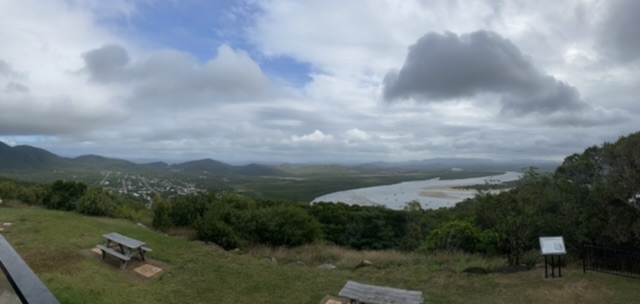
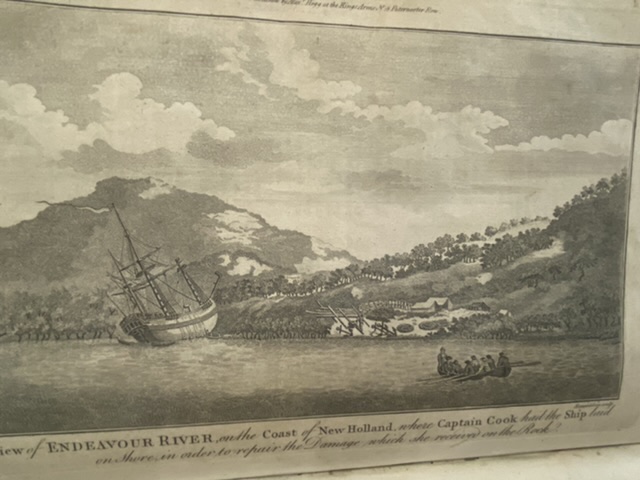
What is also interesting is to examine paintings of the HMB Endeavour when it was being repaired on the bank of the river of the same name. Here is a vivid record of the river when Cook was repairing his ship and the impact of Aboriginal fire management of the landscape. The landscape of the Endeavour river no longer looks like what it did in 1770.
The Daintree Rainforest
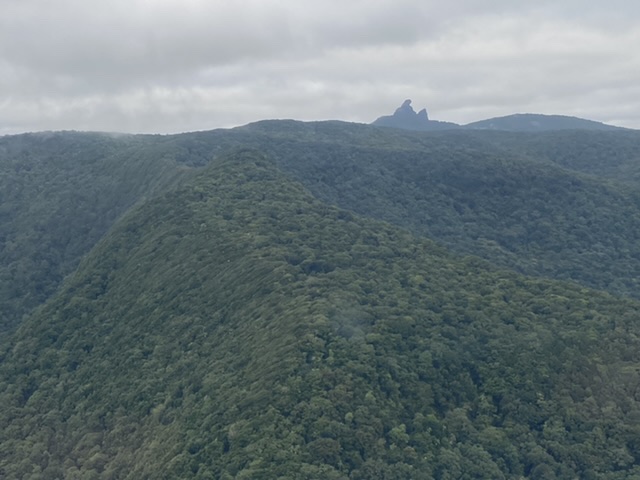
This rainforest is reported to be the oldest rainforest in the world, older than the Amazon or the rainforests of Africa. It is recorded as being 180 million years old. This is a little incongruent when you realise it’s on the driest continent on earth, apart from Antartica. It’s also pretty amazing when you realise that this forest was around when dinosaurs roamed the world. Looking at the forest now I would not be surprised if there was the odd dinosaur still roaming that wilderness. Of course there are relatives of the dinosaurs living in the Daintree, namely crocodiles and there are plenty in the rivers, estuaries and coastline of the Daintree.
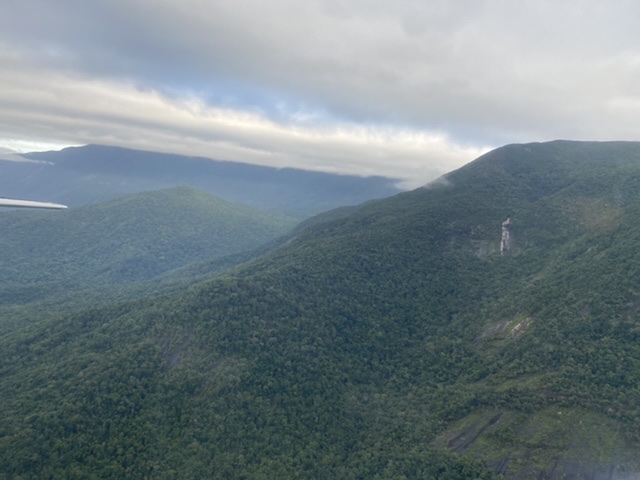
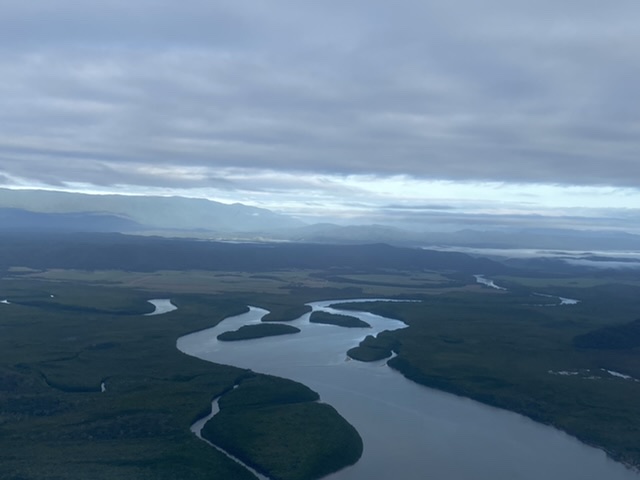
I met a character who had an altercation with a cassowary which chased him around his car trying to get the man’s food. He expressed the view that on observing the cassowary’s sharp claws he was sure it was a direct descendant of velociraptors. Cassowaries are described as dangerous birds capable of killing which just adds to list of Australian critters that want to do you harm.
French Patisserie
In Cooktown there is a French patisserie of exceptional repute. Unfortunately our movements never aligned with their opening hours however we did get to enjoy their amazing French pastries and cakes. People come from miles away and in fact even from overseas to visit this hidden gem. The locals love it and it seems the owners have no interest in working longer hours just to satisfy the fickle demands of the tourist.
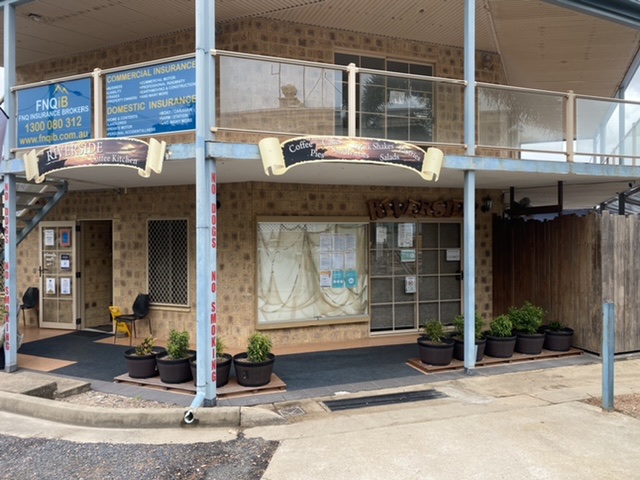
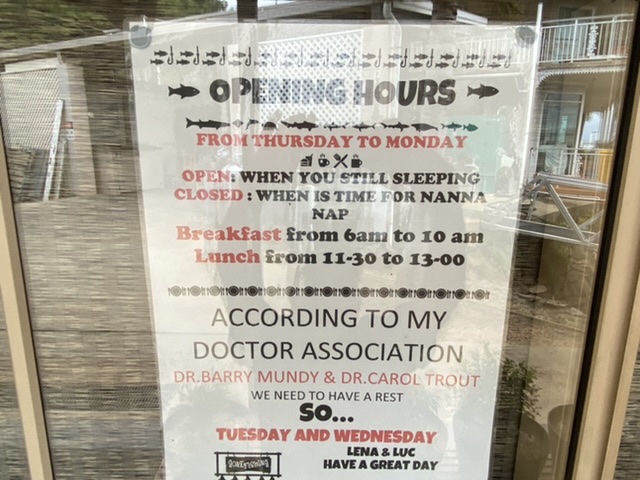
I direct your attention to the names of the medical professionals who provide counsel to these bakers.
Pubs in Obscure Places
Today most of our mining companies rely on a FIFO workforce. For those readers who don’t hail from Australia that’s an acronym for fly in fly out. Fortunately back in the 19th and early 20th century we didn’t have aeroplanes and no FIFO workforce at our mines. This meant that towns were built and people lived where they worked, not thousand of kilometres away from their workplace.
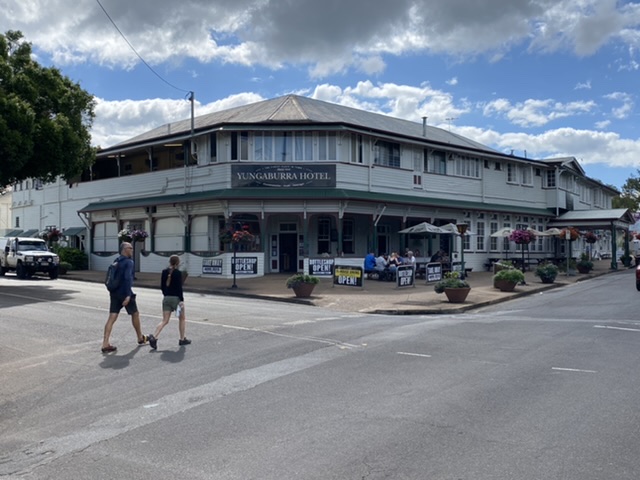
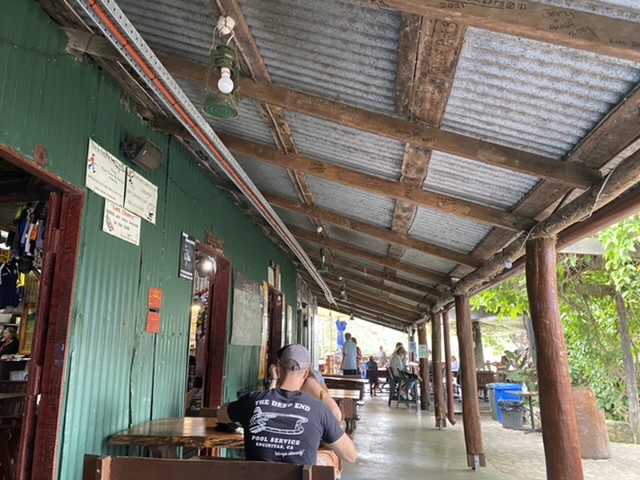
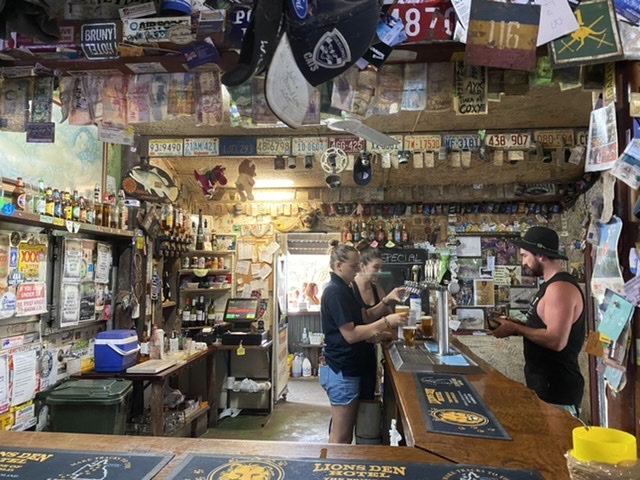
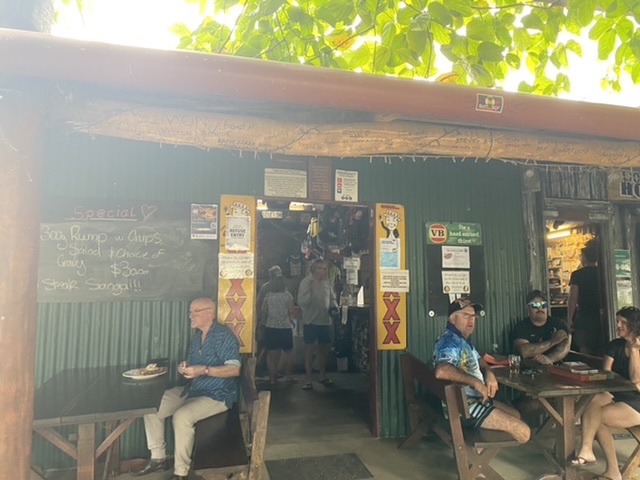
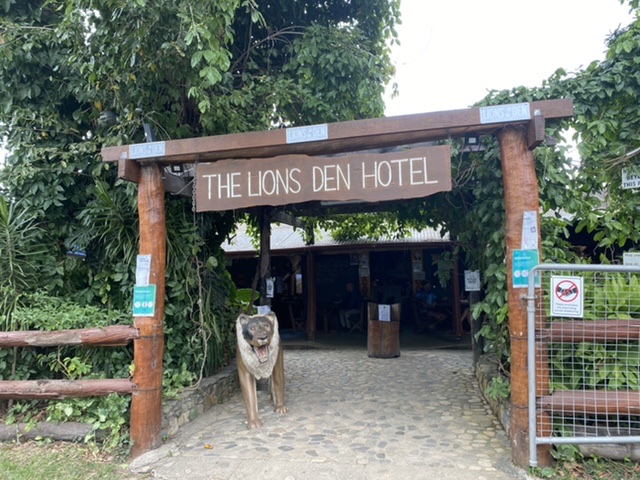
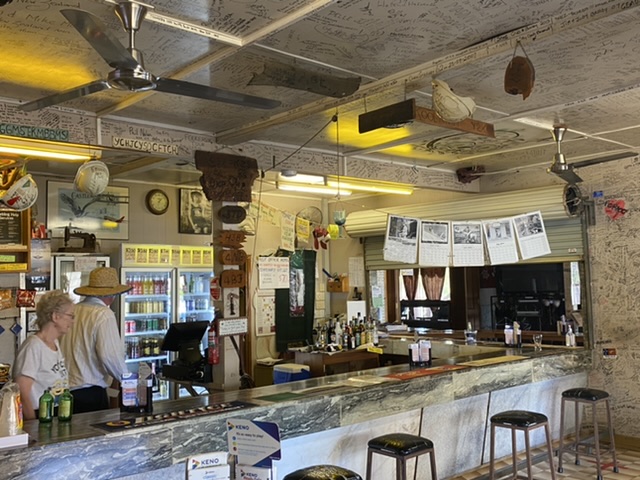
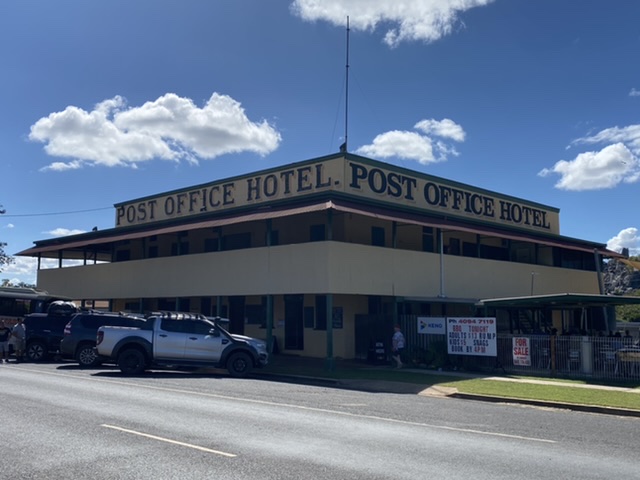
With a large workforce these mining towns required many pubs to service the thirst of the miners. Some of these pubs remain and are now enjoyed by travellers in some very remote locations where now a mere remnant of what was past populations once resided.
The Coastal Mountain Range
Out west in what is best described as the outback we have observed a critical lack of staff across many other industries. It seems the mines and the salaries they offer are like a vacuum sucking up all the available talent.


The situation changes when you cross the Great Dividing Range. Suddenly critical staff shortages are not apparent. There are cooks at the restaurants, two receptionists staffing the counter at the camp grounds, bar staff aplenty and gardeners maintaining the landscapes. I am thinking that not only does the mountain range that runs the length of the Australian east coast acts as a barrier to rainfall it is also a barrier for people to go west. It is clear we Australians really do love the coast, sandy beaches, surf and fishing.
Cape York
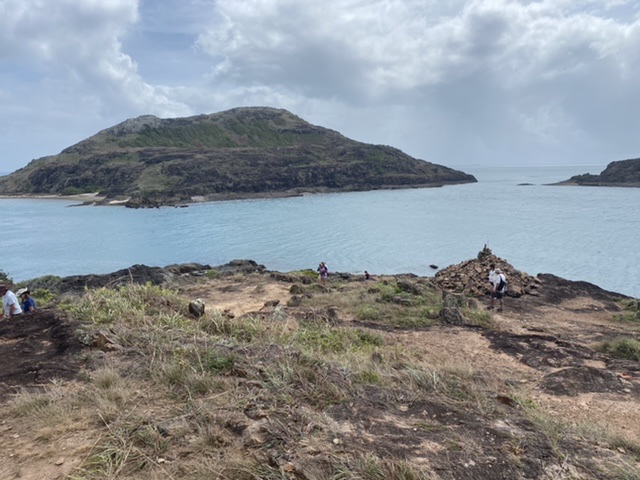
The northern most point of Australia, the Tip, is for many Australians our version of Everest. It’s a place you have to go to once in your life.
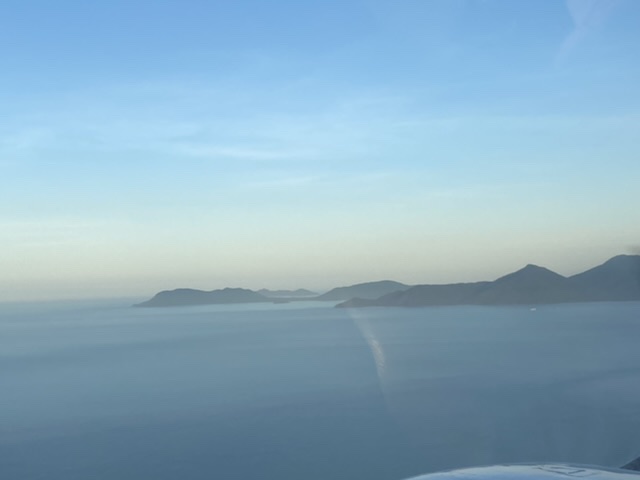
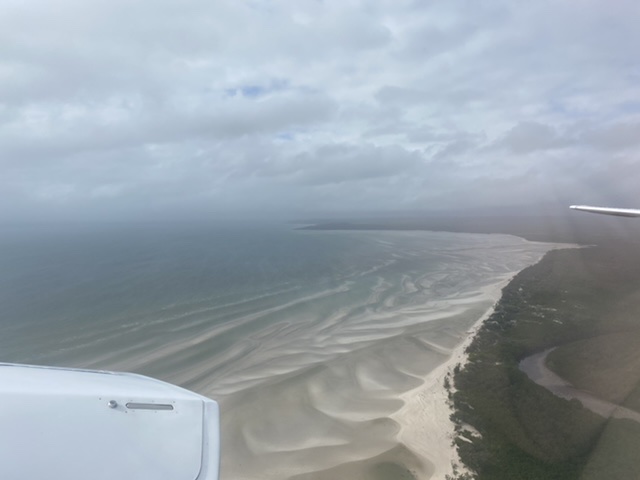
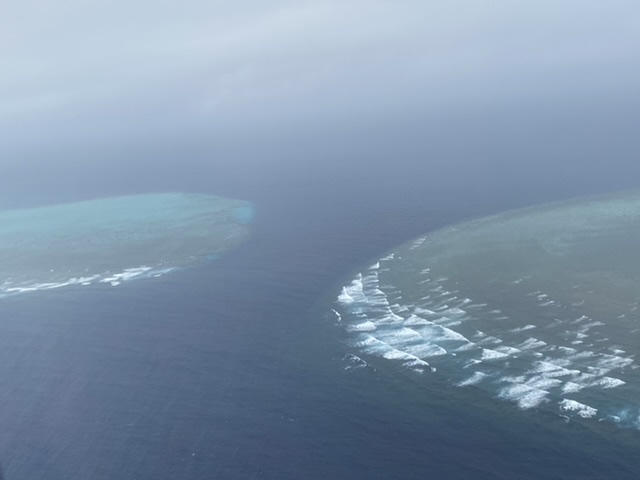
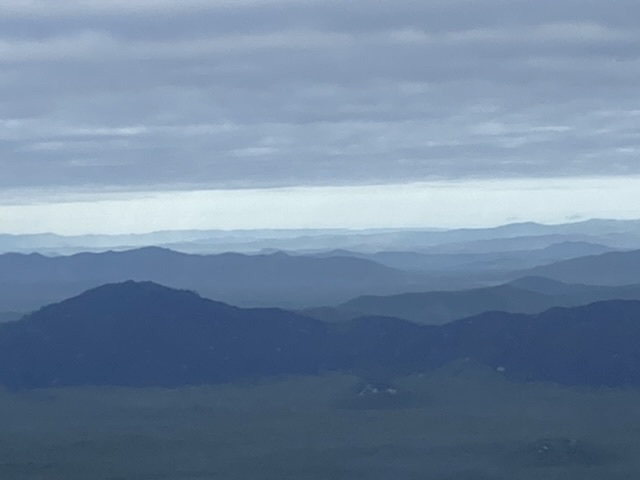
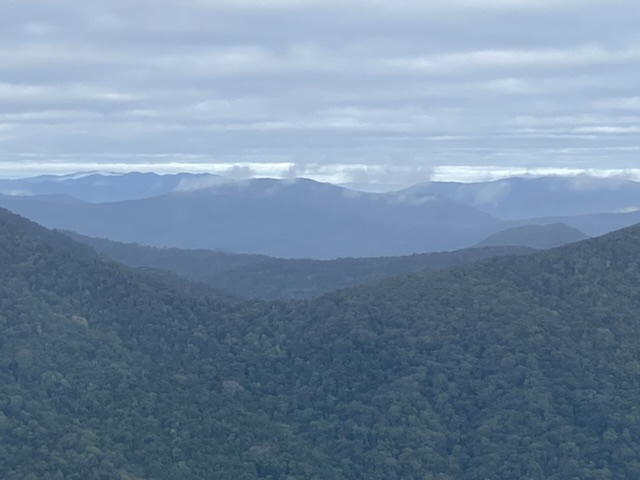
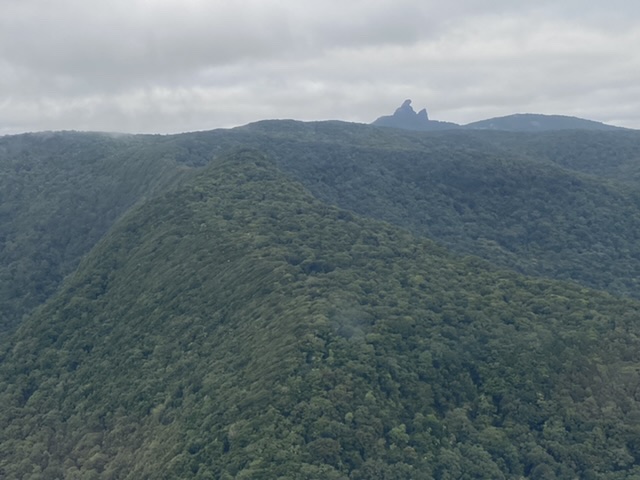

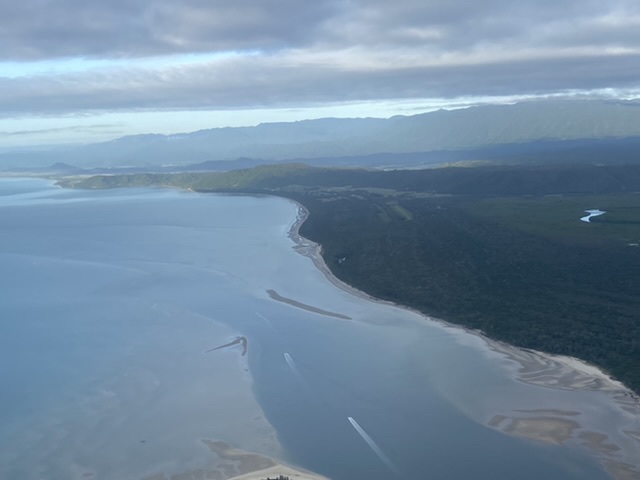
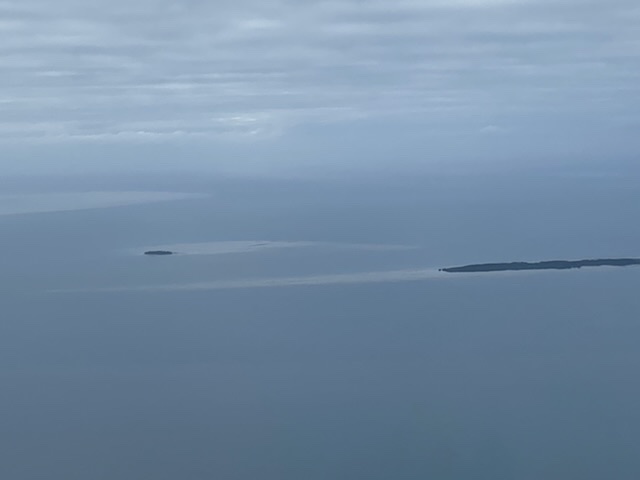

Few people live there and its largely a wilderness.
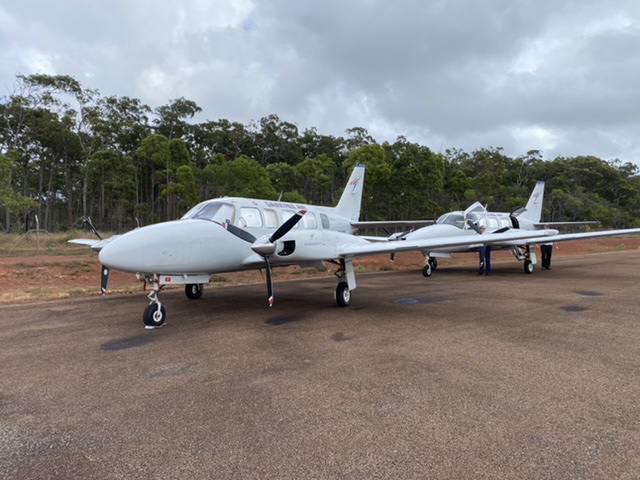
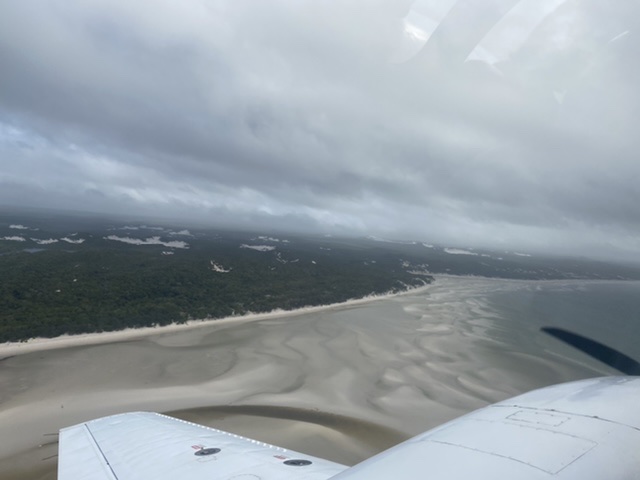
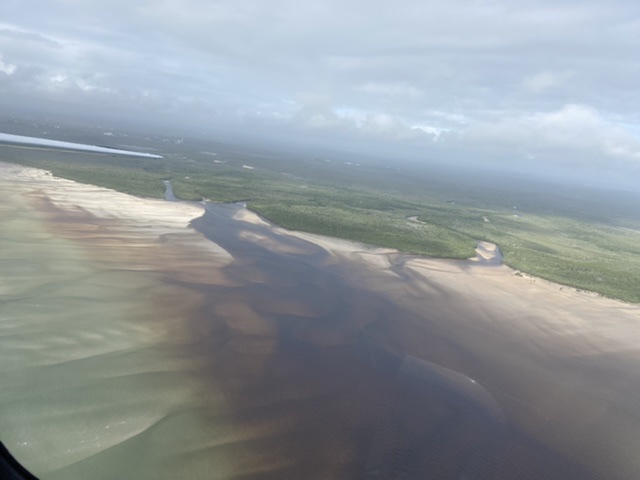
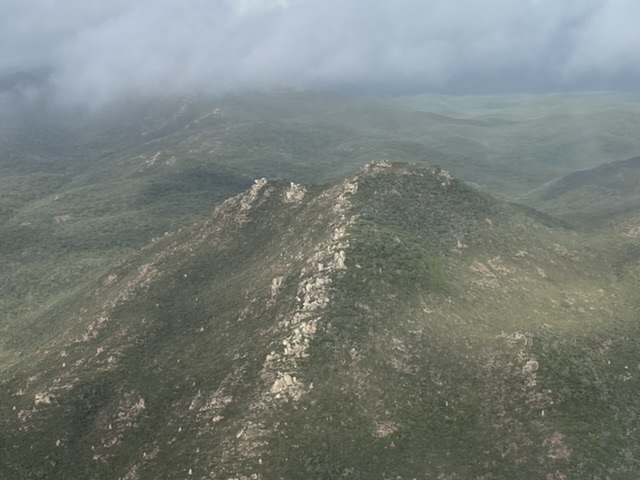
So to get to the tip you have three options. You could go by the barge which is a six day return trip from Cairns. You could drive to the Tip which will take about two weeks for the return trip. You will be driving on seriously corrugated roads and you will be sleeping rough. As an aside there is a large wreckers yard at the top of the peninsula full of cars that didn’t make the return trip. Finally you could fly to the Tip leaving in the morning and be back for a gin and tonic in the late afternoon.
You can guess which mode of transport we took. The view of the Great Barrier Reef and the wilderness from 780 metres is quite stunning. We were also able to spot the odd 4WD wreck submerged in the water obviously caught in a rising tide.


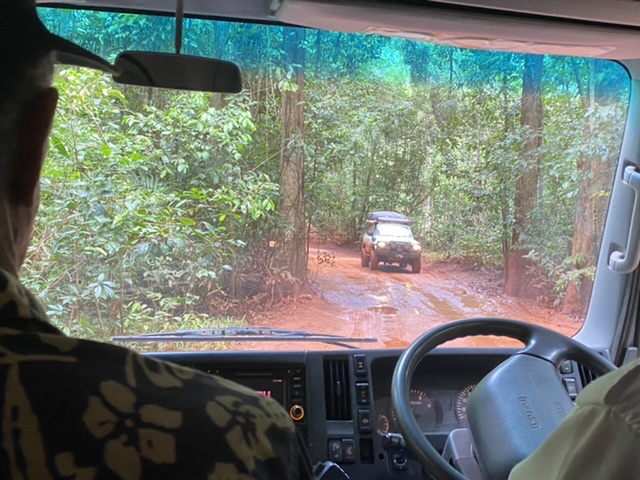
COVID Signs
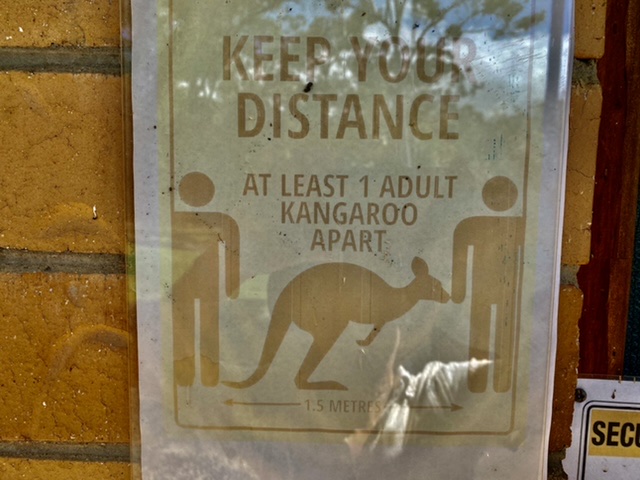
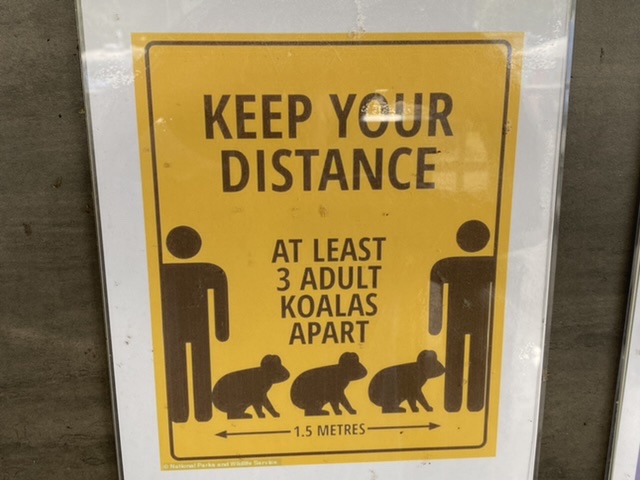
I’m not sure what they were thinking when they thought we could get a kangaroo or maybe three kolas to stay beside you while strolling through the supermarket.
 A Traveller's Tale