25 June 2021
Before I get into my ramblings I just wanted to tell my readers that if you haven’t already done so you can register your interest in this site and receive an email every time I publish a new article. This service is all part of my subscription so please avail yourself of the service. To do so look for the Follow dialogue box at the bottom right of the planetrowe.com screen.
We have now completed more than 6500 kms and have been on the road for 7 weeks.
We have left Normanton and are heading east towards the coast. Our minds are now focussed on avoiding anything that looks like a congregation of people, traffic lights, traffic in general and anything that might hint of civilisation.
Recent Observations
Fellow Travellers and their Rigs
The people on the road represent all sectors of the Australian community. Everybody is out here. There are retired couples, young families doing ‘the lap’ around Australia, single men and single women, groups travelling in convoys and those making their own way. There are those moving on to their next job and those for whom paid employment is a fading memory and something they did so long ago.
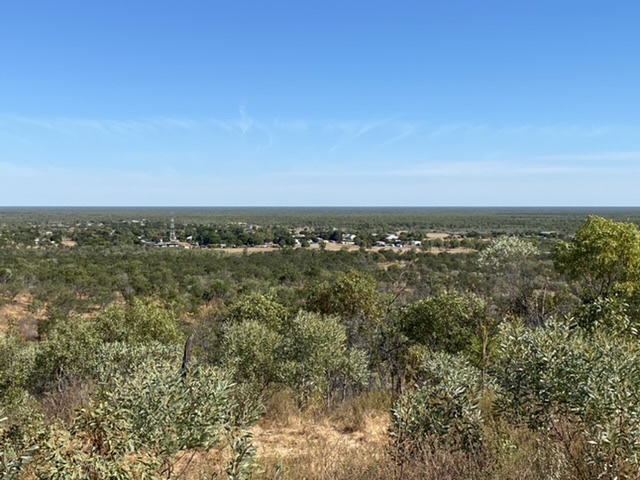
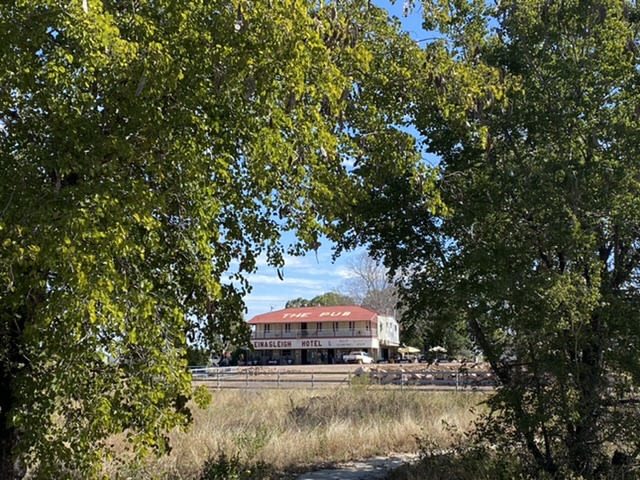
Croydon 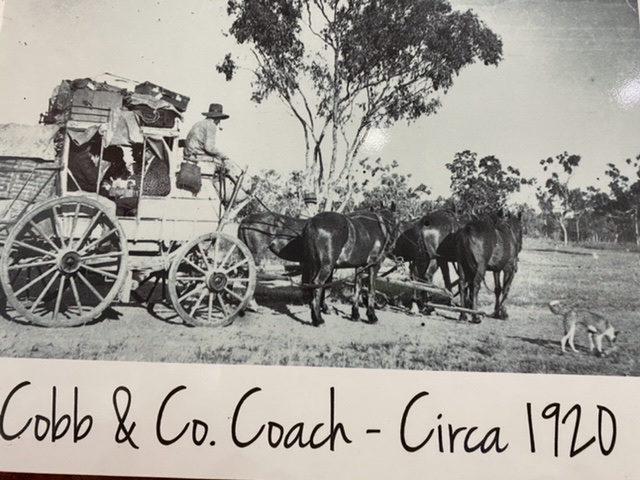
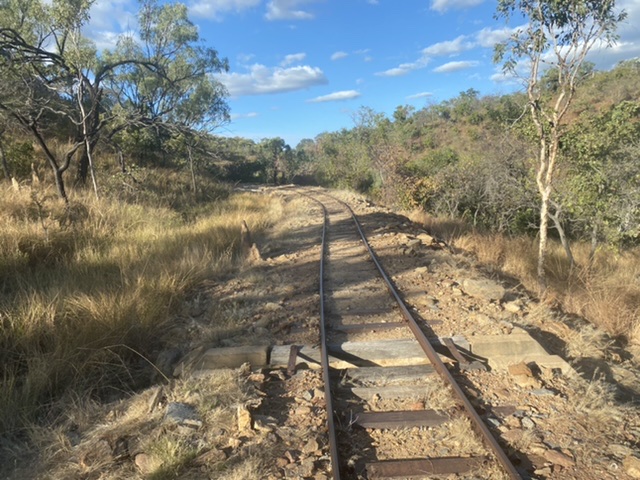
Early transport 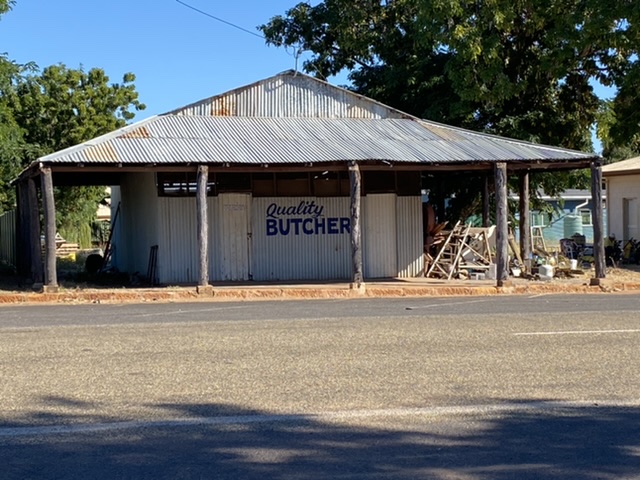
Croydon butcher that was. 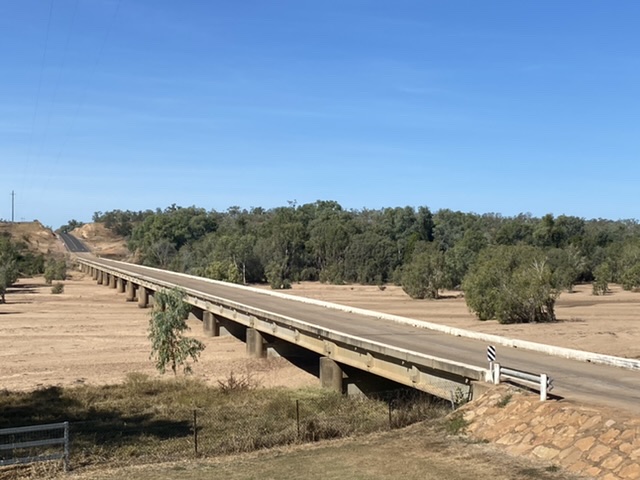
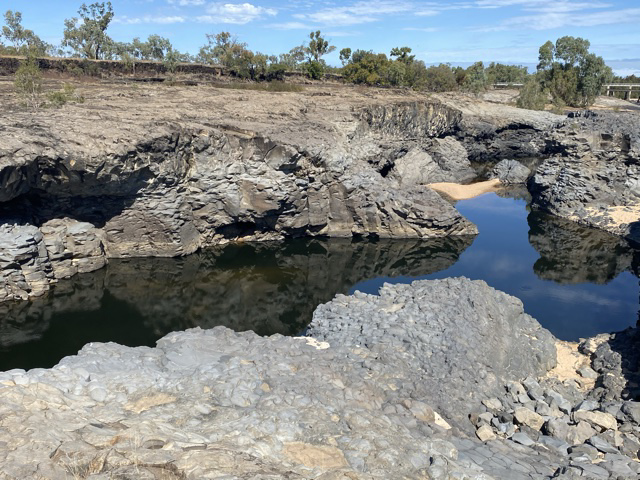
Etheridge River sans water.
There are the planners who know where they will be each night. The wanderers who make it up each day and never know where they will be one day to the next. There are the homesteaders who travel to the same town and campsite every year and then there are those who keep moving, some quickly because time is limited, some slowly because there are no deadlines.
The rigs range from a small tent through to an apartment on wheels. There are people with their pets and people without. There are boats, motor bikes, bicycles. There are off road campers, caravans, and RVs of all sizes. There is the experienced and the not so.
There are those comfortable with driving on dirt and gravel roads and those that ‘don’t do dirt’.
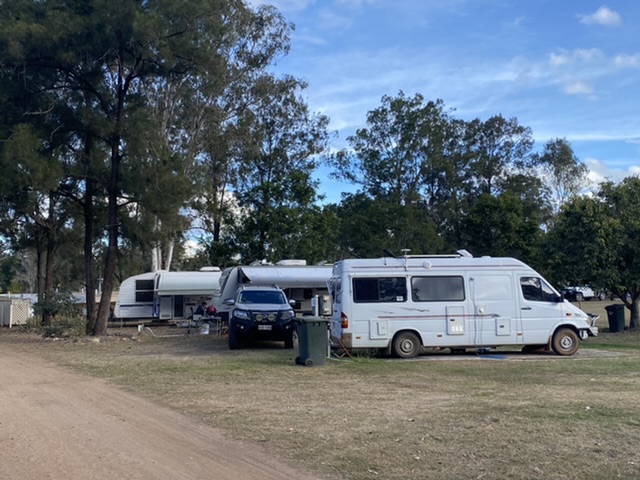
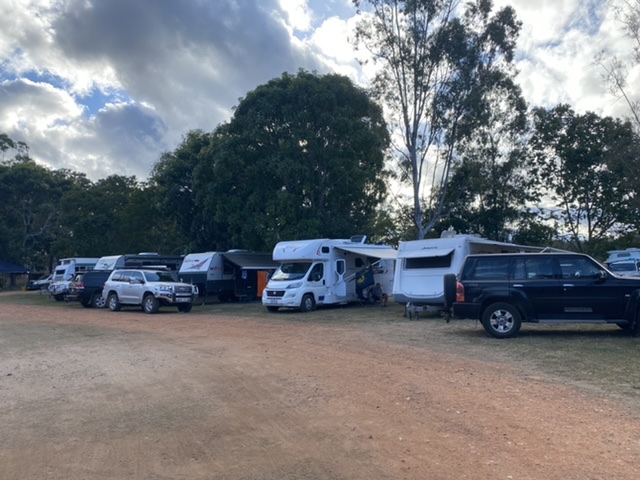
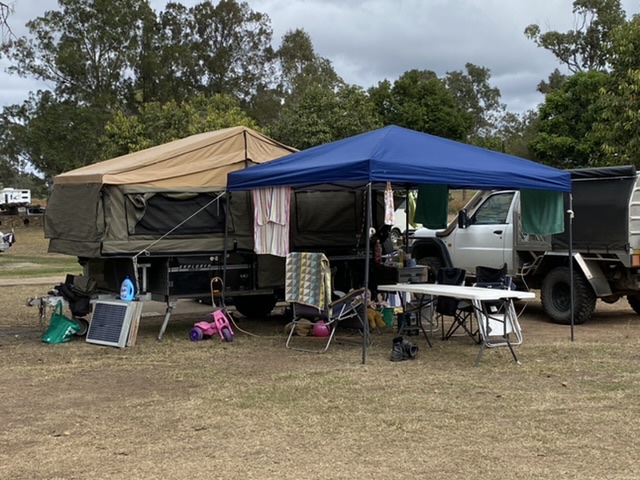
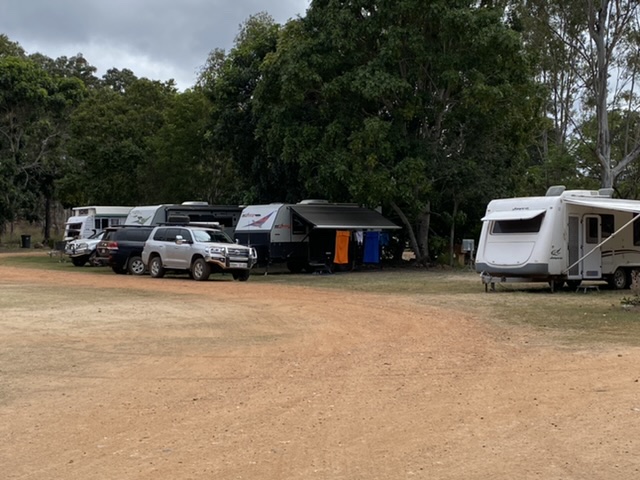
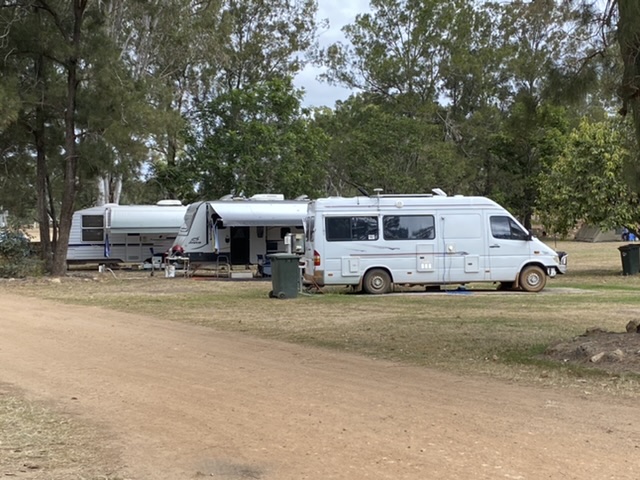
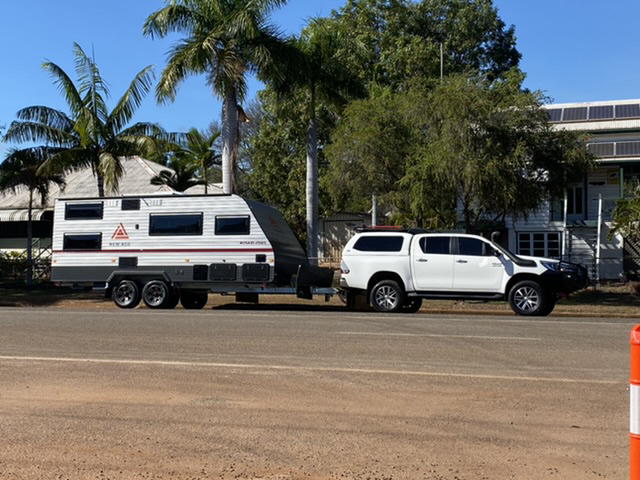
Regardless of their circumstances everyone has a story. A recent conversation was with a retired diesel mechanic who worked in some of the most remote locations this country has to offer. He had worked on mining equipment through to the bulldozer broken down on some distant part of a massive cattle property. Every story is a precious gem in its own right.
Jobs in the Outback
They are everywhere.
Politicians Australia wide claim their focus is on job creation. Having travelled through these outback towns the problem is not jobs. Work offers are everywhere. The problem is the lack of people for these jobs.
In the past Australia got away with relying on the humble international backpacker. These guys were young and cheap. They were willing to work all day and to curl up in the back of their van or join many others in dormitory style accommodation for the night. Funnily enough most Australian workers aren’t satisfied with these conditions and certainly not for the long haul. And now with COVID there are no backpackers cleaning the motels, making those flat whites, serving at the pubs, cooking in the cafes or restaurants or managing the office at the van park.
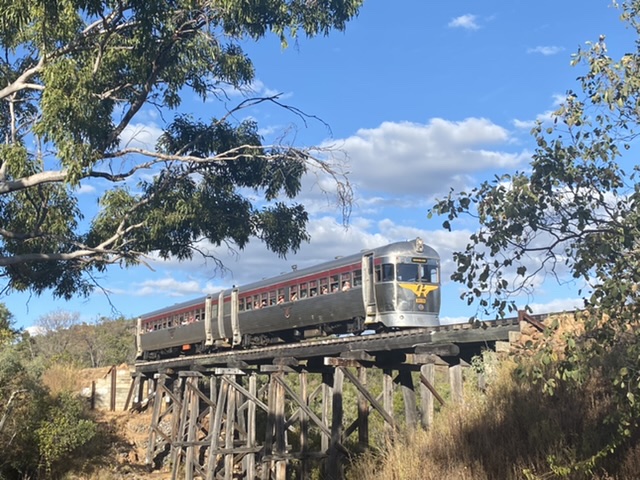
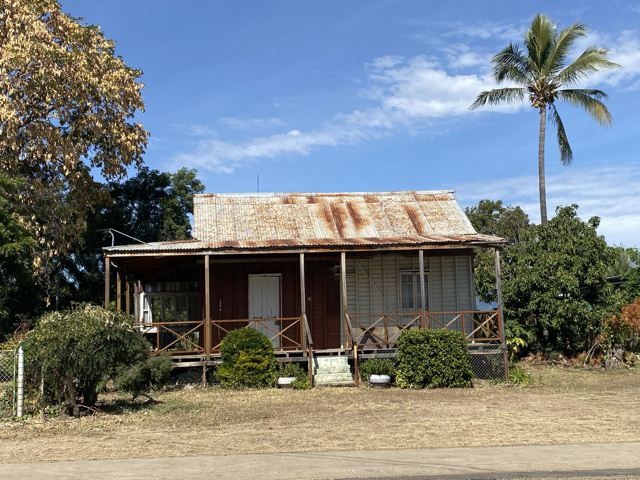
The jobs on offer have included patrolling large cattle properties ensuring the cattle have water, coffee baristas, cleaners, caravan park managers, cooks, bar staff, bus drivers, tour guides and so it goes on.
One woman I spoke to said it had taken her 5 years to find a house to buy in the town where she was working! In her opinion access to housing was the greatest impediment to getting people out here.
A Haircut
Let me start with the fact that barbers out here are hard to find if not non existent.
So my story begins with a walk back from the Croydon hotel after an afternoon beer. Suddenly I am in a conversation with a barber from Carlton, Victoria. This is one of the trendier parts of Melbourne where barbers could demand top dollar for their services. For me the opportunity for one of these hair professionals to have their way with my locks was too good to refuse.
His fee was $20, no waiting, no reading out of date magazines and importantly no trying to work out who in the shop was ahead of you and who was after you. It was only about me.
There was also a conversation with a somewhat pushy young lady who wanted foils done. I don’t know what that is and ‘my’ barber had no interest in taking on such a project in the late afternoon. The conversation between the two in a shady camp ground, in the afternoon heat was most memorable.
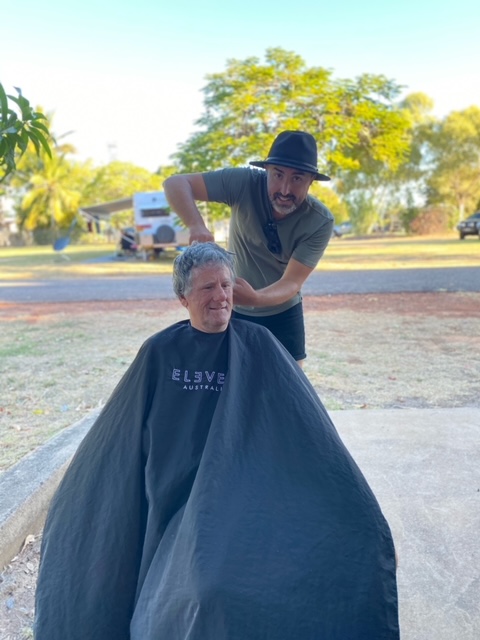
This was one of the best and cheapest trims I have had since an afternoon spent in a barbers in Wellsville, New York, pre COVID.
I would add the haircut was enjoyable after the beer and the purchase of a new shirt in the local supermarket come coffee shop. A perfect afternoon.
Clothes Line Culture
Everybody knows there are two types who use clothes lines; those who leave the pegs on the line and those who remove the pegs. The ‘leave them on’ argue process efficiency, the ‘take them off’ argue aesthetics.
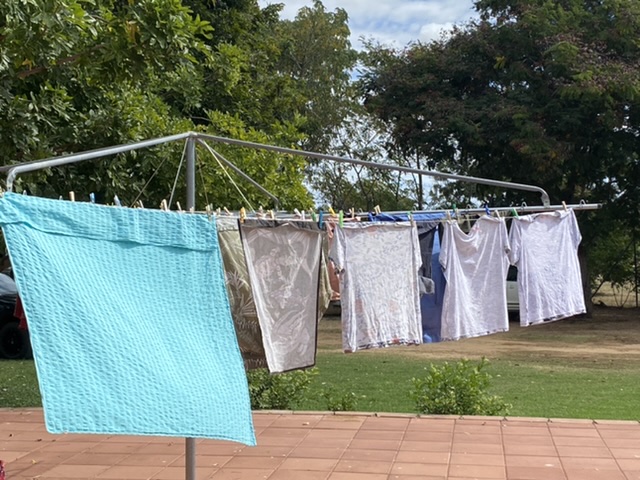

In our travels I have discovered the clothes line culture is far more complex. Of course everyone removes their pegs and takes them back to their camp. However now we have the neat hangers and every piece gets two pegs through to the minimalist who may not even use pegs. Gasp, shock horror.
Now I’m not drawing conclusions about which demographic is represented by which technique however the young, single male might have a preferred methodology for hanging their washing.
It’s all about the complexity of modern Australia.
Onward to the east and the tropical coast of Far North Queensland or FNQ to the locals.
 A Traveller's Tale