18 November 2019
A ten hour train ride is the way to travel from Cusco to the high plains and Lake Titicaca. Sitting back watching the Peruvian countryside pass by is a very comfortable way to travel. This is not to say the three course lunch with wine, the morning and afternoon tea and the various folkloric dancing and music didn’t also add to the experience. Did I mention our pisco sour with lunch?


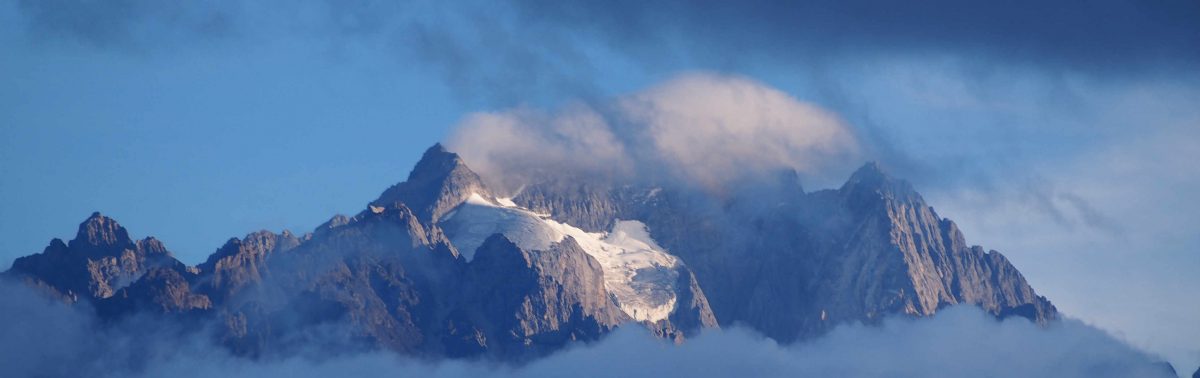
The highest altitude the train reached was over 4300 metres so if the scenery didn’t take your breath away the altitude certainly did. Mountains, glaciers, high plains, alpaca and llamas, villages and the farming people, it was all there. This is serious Peru.
Late arriving passengers at Cusco delayed our train and so what was supposed to be a ten and a half hour trip became something closer to twelve hours. This is what travel is all about and a good dose of patience is always required.
Arriving in Puno in the dark we were unable to get our first glimpse of Lake Titicaca. That would have to wait for the morning. Our accommodation was comfortable but was not quite the 5+ star standard we had become accustomed to and our breakfast was not something I wish to recall. It must be said however the traveller is always seeking new experiences and stories to tell.
Next day we travelled by boat to the floating reed islands and then on to the island of Taquile. We only touched on the entirety of this lake which is 165 km long, 65 km wide and 280 meters deep. Not quite the Great Lakes of North America but an impressive lake regardless and this one is essentially on the top of the hill at 4000 metres.


Like Machu Picchu the reed islands were something I had learned about in National Geographic magazines and through various documentaries. The islands are still something to see. They do float and they do rise and fall as boats pass. The reed mass on which they float is about 3 metres thick, floating in water 20 metres deep. The islands last about 30 years and take a year and a half to build. The islands are maintained by a monthly layering of new reeds. The island we visited accommodated 6 families and about 2,000 people are spread across 200 islands. Like the glaciers, the reed islands will probably be gone in 20 years. Young people are not staying, rather they are attracted to life in the city of Puno and beyond. Another lost culture as the internet and access to information drives cultural homogeneity across the world.
Another hour and a half in the boat and we reached the island of Tacquile. For a visitor this island is a mix of Australia and the Greek islands. The island is covered in eucalyptus trees and lots of sheep. The scenery is rocky hill tops, sandy beaches with a vista across a shimmering blue lake. Do not be tempted to dive into these crystalline waters. The temperature of Lake Titicaca is about 9c. Another breathless Andean experience.


We flew out of the city of Patallini and back to Lima. Patallini is a city that has nothing to recommend it to the traveller. Streets of dirt, unfinished adobe houses, traffic congestion. We are told this is not a safe place. One of those times it was good to be enclosed in a bus as we drove to the ‘international’ airport.
Speaking on unfinished houses, in this part of Peru you are only taxed on the value of your house when it is finished. The result being the majority of houses in this region are and never will be finished. In other parts of Peru many houses are also unfinished. This comes from a distrust of banks and credit. This may be the result of a history of civil disruption, revolutions and coups. The outcome being the people avoid credit, building their houses only as money becomes available.
Final thought, leaving an altitude of 4000 metres and arriving at sea level does wonders for your breathing. Breathing at sea level is an under appreciated treat
 A Traveller's Tale